As an Amazon Associate, we earn from qualifying purchases. Some links on this site are affiliate links at no extra cost to you. Our recommendations are based on thorough research and editorial judgment.

How To Choose Between Hard Shell And Soft Shell Shin Guards?

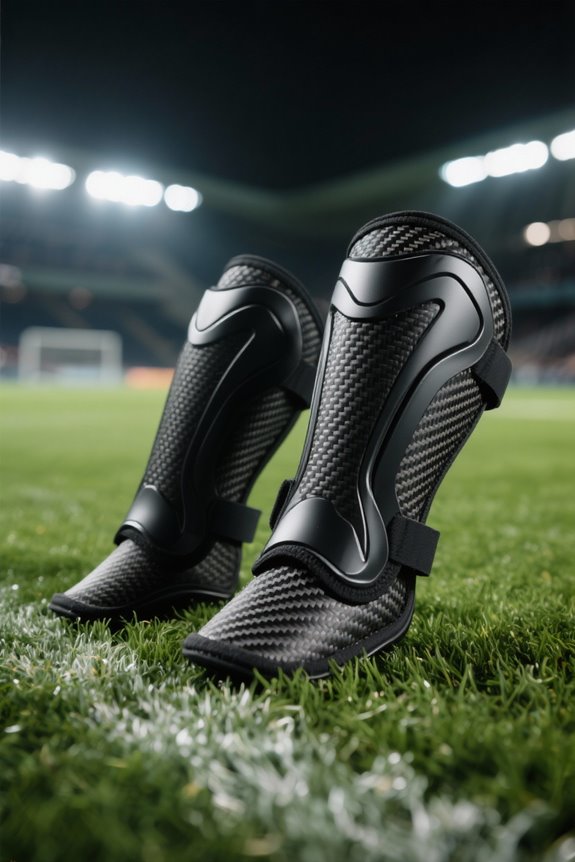
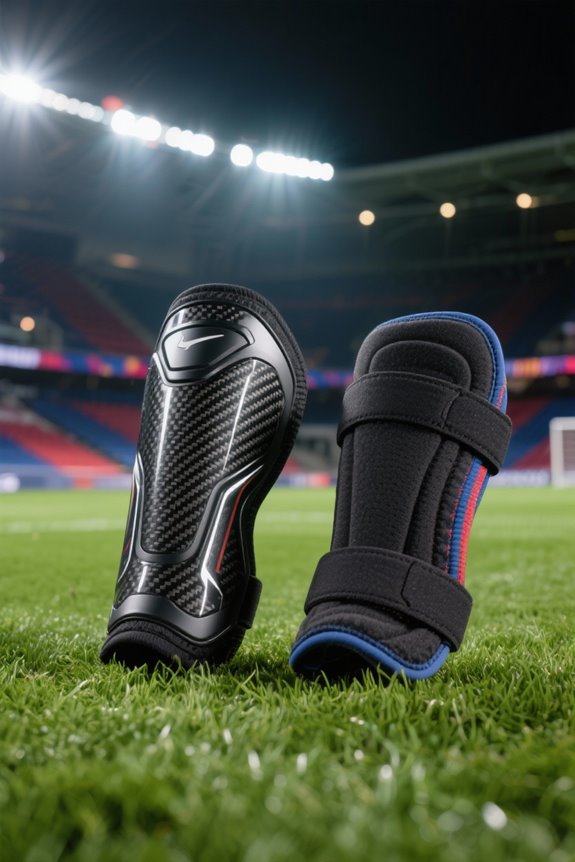
Choosing between hard shell and soft shell shin guards depends on specific needs. Hard shell guards excel in impact protection due to materials like polypropylene and carbon fiber, making them ideal for high-contact sports. They offer durability but may limit mobility. Soft shell guards, made from flexible EVA foam, provide comfort and better fit but can compromise on protection in intense scenarios. Understanding these factors is essential for selection, as further insights can enhance informed decision-making.
Key Takeaways
- Assess Impact Protection: Choose hard shell guards for high-contact sports due to superior impact resistance and energy dispersion capabilities.
- Consider Comfort and Fit: Opt for soft shell guards for better fit adjustments and comfort during movement, thanks to their flexible design.
- Evaluate Durability: Hard shell guards offer greater longevity and long-term value, while soft shell guards may require more frequent replacements due to wear.
- Prioritize Mobility: Select soft shell shin guards for enhanced agility and freedom of movement, as they conform closely to the leg.
- Check Safety Standards: Ensure chosen guards meet required safety certifications like NOCSAE or EN 13061:2009 for compliance in your sport.
Understanding Material Composition
Shin guards are essential protective equipment in sports such as soccer, offering varying levels of protection and comfort depending on their material composition. Hard shell shin guards often utilize materials like polypropylene (PP), carbon fiber, and fiberglass. Polypropylene is valued for its durability and lightweight nature, making it a cost-effective choice. In contrast, carbon fiber, though more expensive, provides superior strength and protection. Soft shell guards primarily use EVA foam, which excels in shock absorption and flexibility. These materials improve mobility and comfort without compromising safety. However, the environmental impact of production differs; while hard shell materials like carbon fiber pose greater environmental challenges, softer options often provide reduced weight and comfort, thereby enhancing player performance during prolonged use. Additionally, products such as Odorcide K.O.E offer eco-friendly options that prioritize safety without compromising effectiveness.
Impact Protection Efficiency
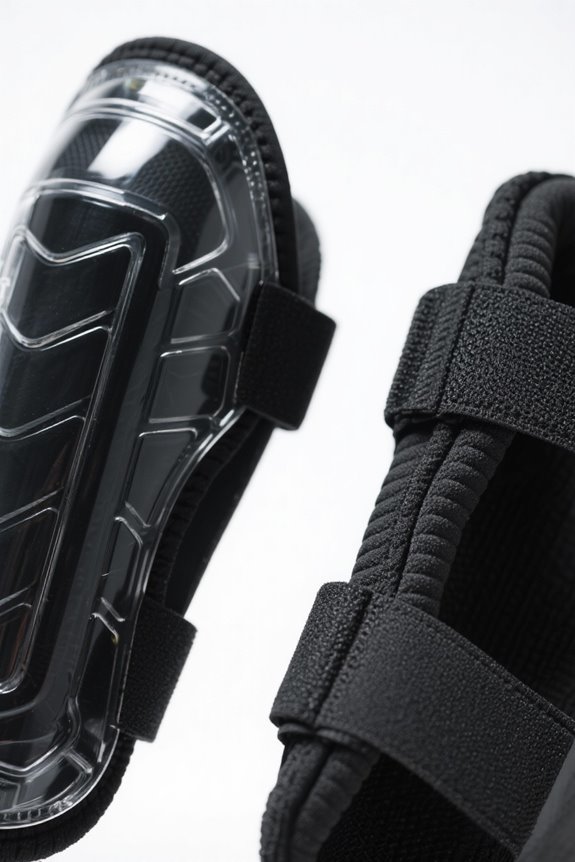
How do different types of shin guards achieve varying levels of impact protection efficiency? Hard shell shin guards excel in absorbing impact force by dispersing energy across their rigid surface, effectively shielding the tibia from severe collisions. These guards, constructed from materials like polypropylene or carbon fiber, resist bending, minimizing the risk of fractures during high-impact sports. In contrast, soft shell shin guards utilize flexible materials, such as EVA foam, which compress and dissipate force but may transmit more impact under higher forces, potentially increasing soft tissue injury risk. Although innovations like SmartFlex technology offer some near-hard shell protection, they may still fall short against extreme impacts, highlighting the critical role of robust shin guard choice in injury prevention strategies for athletes. Additionally, the right combination of high-strength polypropylene and flexible materials can enhance both comfort and protection, ensuring a safer playing experience.
Fit and Comfort Considerations
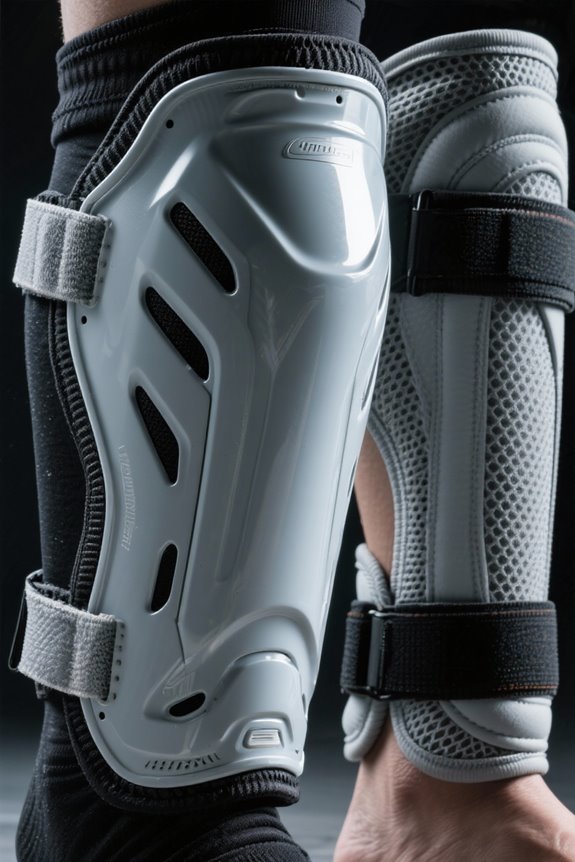
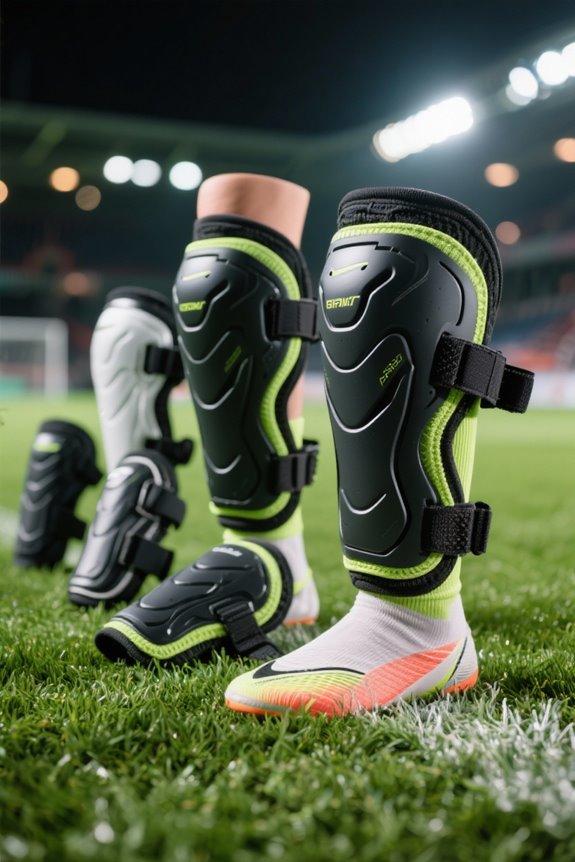
Athletes often prioritize the fit and comfort of shin guards, as these factors directly influence performance and injury prevention. Soft shell shin guards typically allow for better fit adjustments, conforming closely to the leg through elastic sleeves, which can enhance overall comfort preferences. The flexibility in materials, like mesh or foam, promotes breathability, reducing heat buildup during extended play. In contrast, hard shell guards often require complex strapping systems that may constrict comfort if not adjusted properly. These guards can feel heavier, potentially leading to fatigue over time. Consequently, players who favor breathable and lightweight options might lean towards soft shell designs, while those needing robust protection may opt for hard shell guards despite the potential discomfort associated with their fit. Additionally, choosing shin guards made from breathable materials can significantly improve comfort during prolonged play.
Mobility and Agility Factors
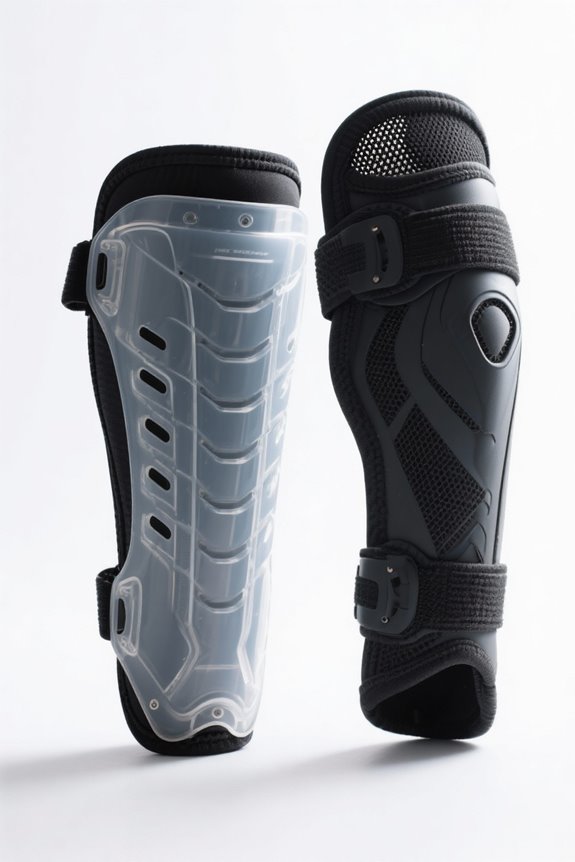
Which factors influence the mobility and agility of players while using shin guards? Hard shell shin guards provide strong protection but typically limit ankle and shin flexibility, potentially restricting quick movements. Their rigid design may create bulkiness, hindering agility improvement during rapid directional changes. Alternatively, soft shell shin guards enhance mobility with their flexible construction, allowing a full range of motion beneficial for quick reflexes in attacking players. Lightweight materials, like EVA foam, conform closely to the leg, offering comfort without restricting mobility. Additionally, secure fit technologies, such as elastic sleeves and compression designs, help maintain guard placement, ensuring agility enhancement. Overall, the choice between hard and soft shells greatly impacts a player’s performance regarding mobility and agility on the field. For instance, adjustable models allow players to customize their gear based on their specific training and competitive needs.
Player Position and Shield Preferences
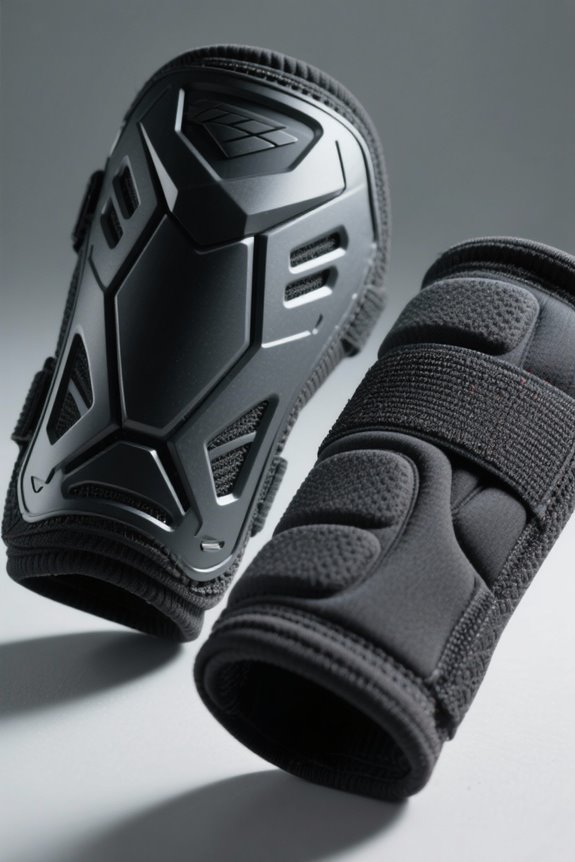
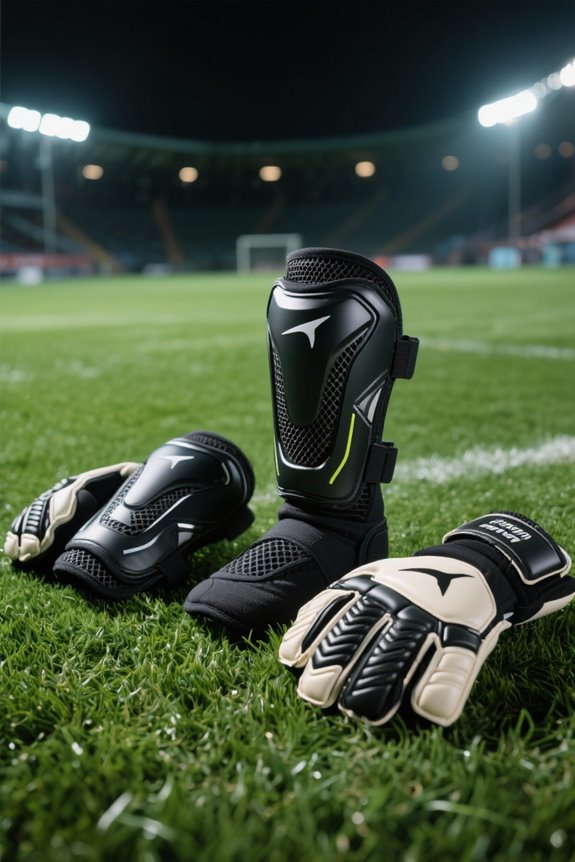
When players select shin guards, their position importantly influences their preferences, as each role on the field presents unique protection requirements and playing styles. Defenders often opt for shin guards with strong impact resistance and integrated ankle coverage, offering enhanced protection against frequent tackles. Midfielders typically choose medium-weight shin guards that balance protection and mobility, allowing for dynamic play. Forwards prioritize lightweight models, such as slip-in types, to maximize speed during quick movements. Goalkeepers’ shield preferences vary widely; they may select guards for strong shots or minimal restrictiveness to maintain agility. Ultimately, player positions greatly dictate shield preferences, with considerations for coverage and mobility determining the best fit for each specific role and playing style on the field. Additionally, factors like anatomical design features can enhance fit and reduce injury risk, making it crucial to choose guards tailored to the player’s specific needs.
Durability and Lifespan of Shin Guards
Considering the importance of protection and performance in athletic wear, the durability and lifespan of shin guards are critical factors for players at all levels. Hard shell shin guards offer significant advantages, utilizing materials like polypropylene and carbon fiber, known for their exceptional impact absorption and rugged construction. This durability allows them to maintain structural integrity over multiple seasons. Conversely, soft shell guards present drawbacks regarding longevity, as they often incorporate flexible EVA foam, which compresses and degrades with repeated impacts. Consequently, while soft shells prioritize comfort, their lifespan can be shortened under regular use. Players in high-contact positions may prefer hard shells for enhanced protection, while those seeking lighter options must balance comfort with potential durability trade-offs. Additionally, the material quality of shin guards plays a pivotal role in determining their longevity and performance.
Maintenance and Care Guidelines
Proper maintenance and care of shin guards considerably prolongs their lifespan and preserves protective qualities, addressing the potential degradation that can occur with regular use. Cleaning practices include using lukewarm water with mild soap for both hard shell and soft shell models, avoiding harsh chemicals that can degrade materials. Air drying guards post-cleaning guarantees mold does not form, with moisture-absorbing materials aiding in the process. Regular inspection of both types is vital; users should check for cracks or tears that may affect performance, as well as verify straps fit securely to prevent shifting fit. Additional maintenance tips include tightening loose straps and utilizing breathable liners, enhancing hygiene and extending the longevity of the shin guards. Implementing proper sizing will also ensure that shin guards provide adequate protection and comfort during play.
Safety Standards in Shin Guard Selection
Shin guards serve as essential protective equipment for athletes in contact sports, with safety standards playing a critical role in their selection. Organizations like the National Operating Committee on Standards for Athletic Equipment (NOCSAE) and the European standard EN 13061:2009 outline safety certifications that shin guards must meet. Compliance requirements guarantee these guards withstand impact testing at key points, protecting vulnerable areas of the shins. In some regions, such as high school soccer in the U.S., shin guards are mandated to have NOCSAE approval for competition. Regular inspections by referees confirm compliance with these standards, guaranteeing each player uses equipment designed to minimize injury risk while providing adequate protection during play. Additionally, visibility and display quality are crucial factors in selecting equipment that ensures clear identification during competitions.
Regulatory Considerations in Sports
In sports, regulatory considerations play an essential role in ensuring player safety and fair competition. Regulatory guidelines for shin guards vary across different sports, focusing on sport-specific requirements that dictate materials, sizing, and certifications. For example, FIFA mandates suitable materials and full coverage by socks, while the NOCSAE requires approval for youth and high school leagues in North America. The UK Football Association insists on CE-marked guards for adequate shin coverage. Compliance with these regulations is imperative, as referees inspect equipment before matches, and failure to meet standards can lead to player disqualification. Constructed materials must also provide cushioning, ensuring safety against impacts, while adhering to design regulations that prevent compromising player protection or mobility during gameplay. Additionally, NOCSAE certification guarantees that shin guards meet specific safety standards for effective protection during play.
Cost Analysis of Hard vs. Soft Shell Guards
Frequently, athletes and recreational players must decide between hard shell and soft shell shin guards based on cost considerations. Cost comparisons reveal that hard shell guards range from $1.25 to $24 per pair, making entry-level options available for budget-conscious buyers. In contrast, soft shell guards start at $17 and can reach $28 due to more complex designs that integrate padding. Price trends indicate that while soft shell guards offer comfort, their durability may lead to higher replacement costs over time. Hard shell shin guards, known for their longevity, provide better long-term value for those engaged in high-impact sports. Overall, players must weigh initial investment against potential future expenses when selecting their shin guard type. Additionally, the choice of shin guards should consider impact protection features, as these are crucial for ensuring player safety during intense gameplay.
Availability and Market Choices
While choosing shin guards, players encounter a wide array of options, influenced by market availability and product diversity. Major brands like Adidas, Puma, and Nike dominate the 2026 market, offering both hard and soft shell models. Hard shell guards often feature integrated ankle guards and adjustable straps, appealing to players who prioritize impact resistance. Conversely, soft shell guards from Puma and G-Form emphasize flexibility, attracting those focused on agility and mobility. Market trends indicate a growing demand for lightweight, breathable designs, aligning with consumer preferences for comfort during play. Prices on major platforms, such as Amazon, typically range from $25 to $40, catering to different budgets and ensuring accessibility for a variety of players, including youth and beginners.
Customization Options for Players
Customization options for players are essential in selecting the right shin guards, as they enable athletes to tailor their gear to both personal preferences and performance needs. Manufacturers offer various materials and liners, allowing choices that affect weight, protection levels, and comfort. Players can select padding thickness and moisture-wicking liners, enhancing breathability. Size adjustability, featuring adjustable straps and tailored dimensions, guarantees the best fit during play. Additionally, players may choose from different styles, such as slip-in or full-coverage guards, which reflect individual design aesthetics. Personalization services, based on player feedback, include custom designs, colors, and specialized features such as heat-moldable shells that conform to leg shapes. Ultimately, these options contribute considerably to performance and player satisfaction.
Trade-offs Between Protection and Flexibility
Shin guards are designed to protect players during intense physical encounters in games, leading to a significant emphasis on finding an appropriate balance between protection and flexibility. Hard shell shin guards provide superior impact resistance, thus offering essential protection for high-contact players, such as defenders. However, the performance trade-offs become apparent as these models can feel restrictive, limiting mobility during quick movements. Conversely, soft shell guards prioritize comfort balance by using lightweight materials, allowing for greater flexibility and natural leg movement. Despite this, they may lack thorough protection, especially in high-collision scenarios. For this reason, selecting the right shin guard involves carefully weighing the need for protection against the desire for flexibility to enhance overall gameplay effectiveness.
Making the Right Choice for Your Game
How does one determine the best shin guard for their specific position and playing style? Player preferences and game conditions notably influence this choice. For example, players in high-contact positions, such as defense, may lean towards hard shell guards that offer maximum protection with materials like polypropylene or carbon fiber. Conversely, attacking players often prefer soft shell guards for their flexibility, promoting agility and mobility during play. Additionally, the fit of shin guards varies between strap-on, sleeve-style, and slip-in designs, impacting comfort and security. Game conditions, including intensity and contact levels, also dictate whether a player requires additional impact resistance or favors lighter, more comfortable options. Ultimately, the right choice balances protection and flexibility according to individual needs.
Frequently Asked Questions
Can I Use Hard Shell Guards for Recreational Sports?
Yes, hard shell guards can be used for recreational sports, offering hard shell benefits like high-impact protection. However, they may restrict mobility compared to soft shell options, which excel in durability and comfort during casual play.
How Often Should I Replace My Shin Guards?
Replacement frequency of shin guards varies based on usage and condition. Regular inspections are recommended, with replacement prompted by visible damage. Durability comparison indicates that quality materials can extend lifespan but should not compromise protective effectiveness.
Are Shin Guards Necessary for Non-Contact Sports?
Shin guards can enhance non-contact safety by offering shin guard benefits, such as reducing the severity of accidental impacts. However, their necessity varies based on the sport’s risk of incidental injuries and player preferences.
What Sizes Do Shin Guards Typically Come In?
Shin guard sizes typically range from XXS to XL, accommodating various heights. Measuring techniques involve evaluating the distance from the knee cap to the ankle, ensuring proper fit and ideal protection throughout different player demographics.
Can Shin Guards Be Worn Under Soccer Socks?
Shin guards can be worn under soccer socks, creating a fit as snug as a second skin. This method enhances shin guard comfort and guarantees ideal sock fit, minimizing slipping during play and maximizing protection.