As an Amazon Associate, we earn from qualifying purchases. Some links on this site are affiliate links at no extra cost to you. Our recommendations are based on thorough research and editorial judgment.

How To Prevent Shin Guard Slipping During Intense Games?

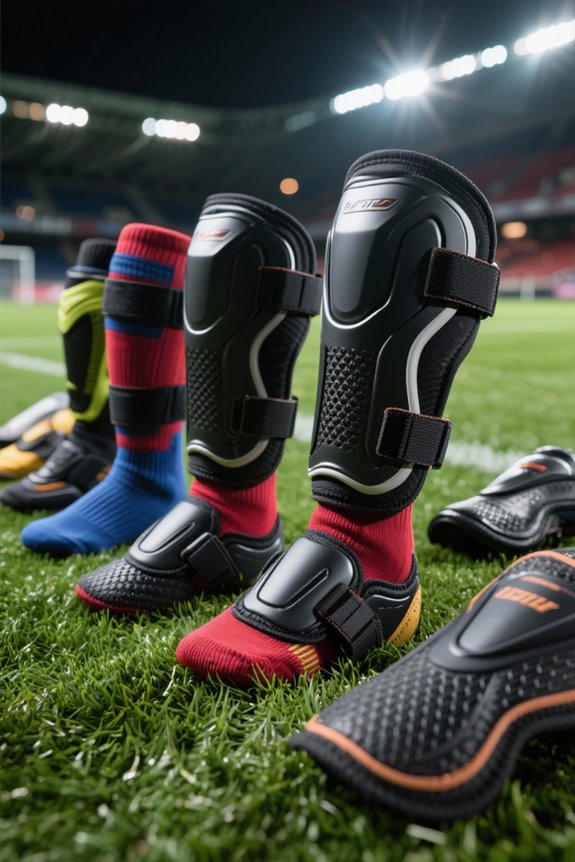
To prevent shin guards from slipping during intense games, guarantee proper fit and placement. The guards should cover the entire shin, resting about an inch above the ankle and a few inches below the knee. Using compression sleeves enhances stability by keeping guards in position, while specialized socks with built-in sleeves further secure them. Additionally, employing effective strapping techniques can greatly reduce movement. Regular maintenance and inspection of gear can also enhance performance and minimize slippage. Further insights can enhance understanding.
Key Takeaways
- Choose the correct size shin guards based on knee-to-ankle measurement to ensure a snug fit and prevent slippage.
- Utilize compression sleeves or specialized shin guard socks to keep guards securely in place during dynamic movements.
- Apply effective strapping techniques, such as layering tape around the edges, to enhance stability and prevent unwanted movement.
- Select shin guards with cone beads and textured outer shells to enhance grip and minimize slipping within sleeves or socks.
- Regularly inspect and maintain shin guards, replacing worn-out gear to ensure optimal fit and protection during intense games.
Importance of Proper Fit and Placement
The proper fit and placement of shin guards serve as essential factors in ensuring player safety and performance on the field. Shin guard placement must cover the entire shin area, extending from just above the ankle bone to a few inches below the knee, providing maximum shin guard coverage for the tibia. Positioning the top edge a couple of inches below the knee allows for necessary movement, while the bottom edge should rest about an inch above the ankle to maintain agility. Proper placement prevents guards from shifting during dynamic play, minimizing injury risk. Additionally, ensuring coverage of the medial and anterior surfaces of the tibia is critical, as these areas are particularly vulnerable due to insufficient soft tissue protection. A well-fitted shin guard not only enhances comfort but also improves impact protection during play by ensuring that the guard stays securely in place.
Choosing the Right Size Shin Guards
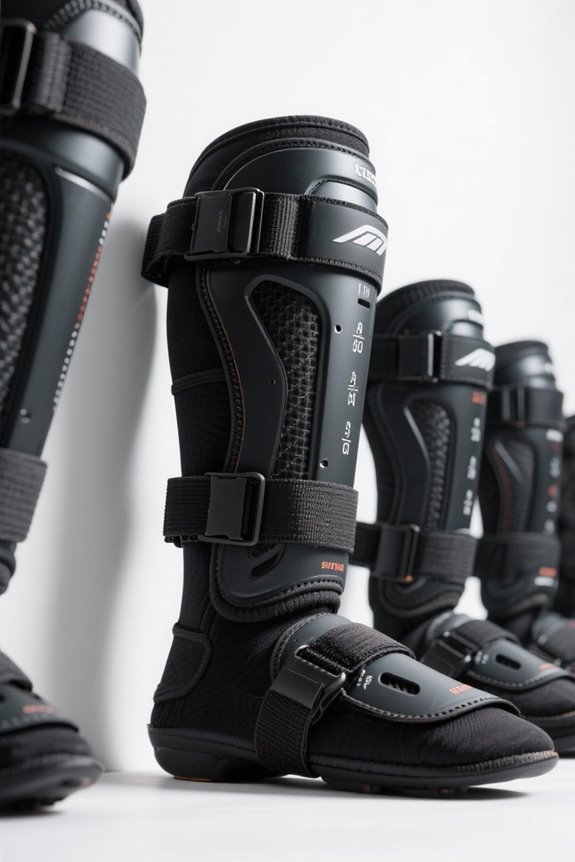
Choosing the right size shin guards greatly enhances both performance and protection for athletes across various sports. To guarantee a proper fit, individuals should measure from the knee cap’s center to the top of the ankle using a soft tape measure. This length should align with the size guidance offered by various shin guard brands, which often categorize sizing variations as per height brackets and knee-to-ankle measurements. Proper coverage involves fitting the guards about two inches below the knee to above the ankle. Selecting the correct size not only prevents slippage but also guarantees the guards provide adequate protection during movement, as oversized guards may shift and undersized ones may not offer sufficient protection during intense gameplay. Additionally, durability factors such as high-quality materials can further enhance the effectiveness of shin guards in high-pressure situations.
Using Compression Sleeves for Stability
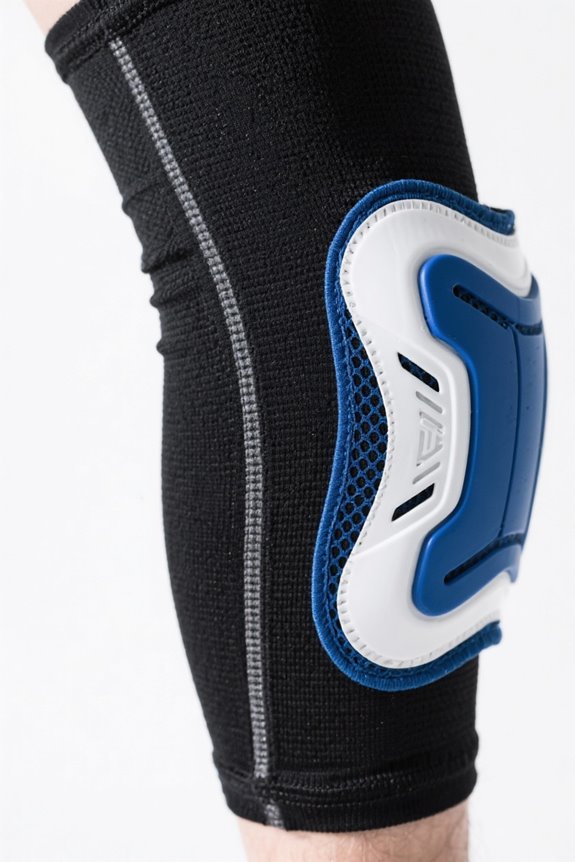
Enhancing stability and preventing slippage of shin guards can be effectively achieved through the use of compression sleeves. These sleeves provide significant compression benefits, creating a snug fit that firmly holds shin guards in place during intense games. The ergonomic design contours to the lower leg, while incorporated medical-grade silicone prevents sleeves from migrating downward. Additionally, the tight fit enhances friction, improving overall retention of shin guards. Compression sleeves act as a barrier, minimizing excess movement that can lead to slippage. Made from lightweight fabrics like Lycra, these sleeves promote moisture-wicking and airflow, enhancing performance during play. Overall, the use of compression sleeves supports greater stability, offering athletes increased confidence and protection against injuries. Furthermore, the shin guard retention mechanism ensures that your equipment stays secure throughout the game.
Benefits of Specialized Shin Guard Socks
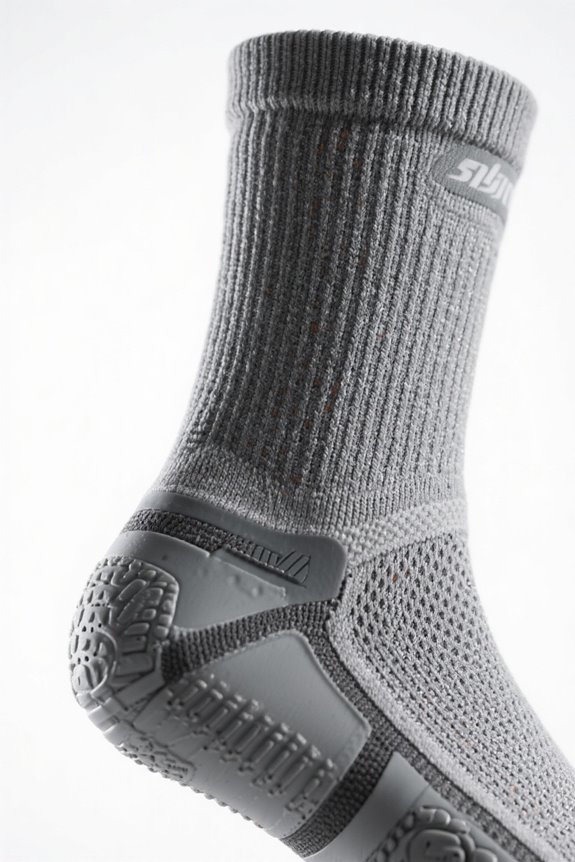
When athletes seek to optimize their performance and comfort on the field, specialized shin guard socks present a significant advantage. These socks incorporate advanced shin guard technology, utilizing built-in sleeves that cradle shin guards securely, preventing unwanted movement during gameplay. The strategic compression benefits minimize slippage while enhancing blood circulation, which can reduce muscle fatigue. Additionally, moisture-wicking materials guarantee that sweat is managed effectively, preventing slickness that could lead to displacement. By eliminating the need for extra tape or accessories, athletes can streamline their pre-game routines, allowing them to focus entirely on their performance. Overall, specialized shin guard socks not only enhance stability and support but also improve endurance, enabling players to maintain their peak performance throughout intense games. Moreover, investing in lightweight options can further enhance comfort and mobility during play.
Strapping Techniques for Enhanced Security
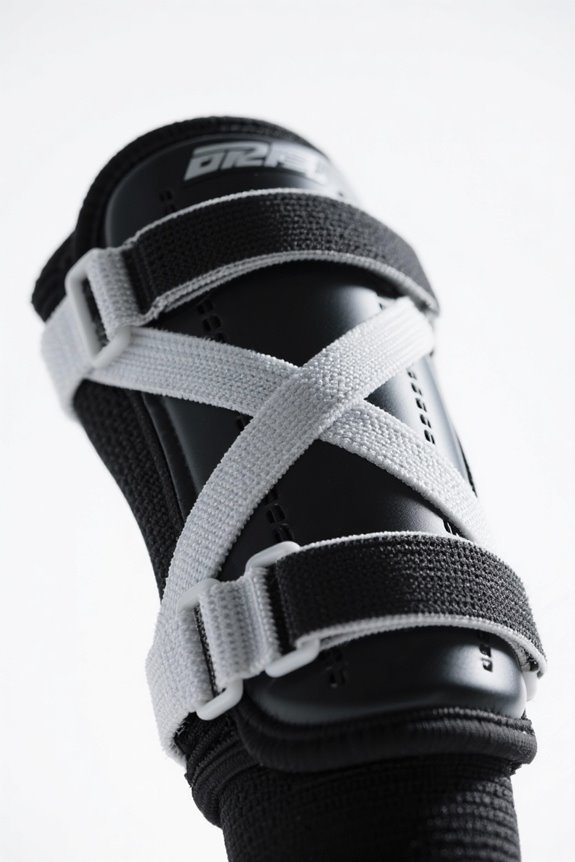
To secure shin guards effectively, various strapping techniques can greatly enhance stability and prevent unwanted movement during gameplay. Certain strapping methods, such as wrapping tape layers around the top and bottom of the shin guard, help anchor it securely against the leg. Utilizing a pre-wrap base layer before taping improves comfort and tape adhesion, enhancing effectiveness. Furthermore, players can position tape in overlapping patterns to increase resistance to guard shifting, which allows necessary flexibility. For added support, covering the sock’s top edge with tape stabilizes the shin guard further. Finally, ensuring that the leg and guard are clean and dry boosts friction, reducing the likelihood of slipping during intense sports activities. Additionally, choosing shin guards with breathable materials can help maintain a secure fit by reducing moisture that may lead to slippage.
Effective Tape Application Methods
Effective tape application methods play an essential role in ensuring that shin guards remain secure throughout athletic activities. Utilizing pre-wrap as an underlayer offers several benefits, including prevention of irritation and facilitating easy tape removal post-game. Athletes should apply tape patterns that strategically secure the shin guard, such as wrapping below the guard at the calf’s thickest point to lock it in place. Employing both under and over taping enhances stability and distributes holding force evenly across the targeted area. Additionally, using high-quality adhesive tapes, along with a figure-eight pattern, can reinforce movement dynamics while maintaining proper circulation. This all-encompassing approach minimizes slipping, enhancing athlete performance without compromising comfort or skin integrity during intense gameplay. Proper fit and adjustability of shin guards are crucial for preventing slipping during play.
Sock Management Strategies for Better Fit
How can sock management enhance the fit and stability of shin guards during athletic activities? Proper sock layering and fit adjustments considerably contribute to shin guard stability. Athletes should begin with a thin base layer sock or shin guard sleeve, ensuring a smooth interface under the guard, which reduces slippage. Pulling the soccer sock higher allows for additional pressure, preventing downward movement. However, excessive tightness should be avoided to maintain comfort and circulation. Using specialized compression socks can enhance stability, as they apply consistent pressure around the shins while keeping moisture at bay. Finally, inspecting sock quality regularly helps to prevent wear that could compromise their effectiveness, ensuring ideal support throughout intense gameplay. Additionally, selecting anti-blister socks can further enhance overall comfort and performance by minimizing friction and moisture buildup.
Material Choices to Reduce Movement
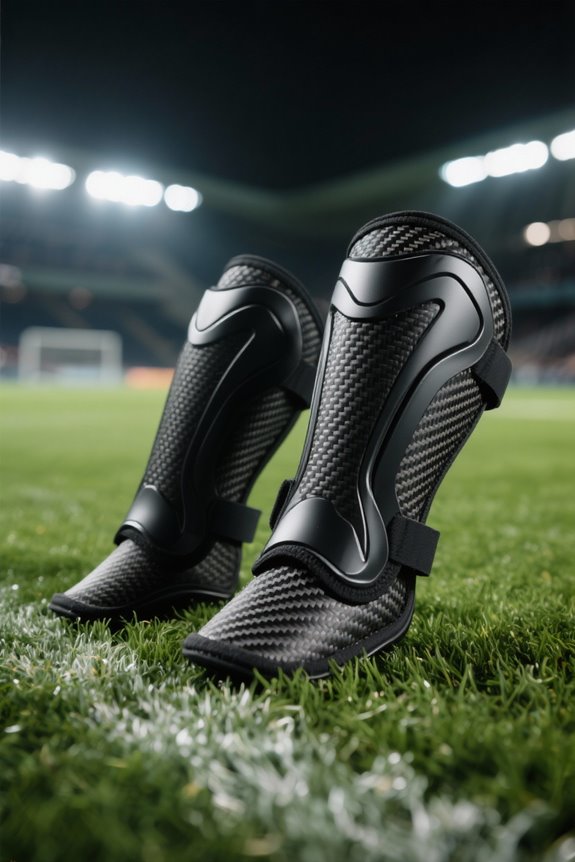
Material selection plays an essential role in preventing shin guard movement during athletic activities. Effective material combinations enhance stability and reduce slipping. For instance, carbon fiber provides rigidity, while foam rubber layering conforms to the leg’s shape, reducing internal sliding. Texture enhancements, such as silicone beads on straps, considerably increase grip between the shin guard and the leg, limiting motion. Additionally, a textured outer shell minimizes any slipping inside sleeves or socks. The integration of breathable materials guarantees that players remain comfortable and dry, which further enhances guard stability. By combining a rigid shell with soft padding, manufacturers create guards that deliver both protection and a snug fit, effectively minimizing unwanted movement during intense games. Moreover, high-quality moisture-wicking materials play a crucial role in maintaining comfort and support throughout the match.
Ankle Support Features to Consider
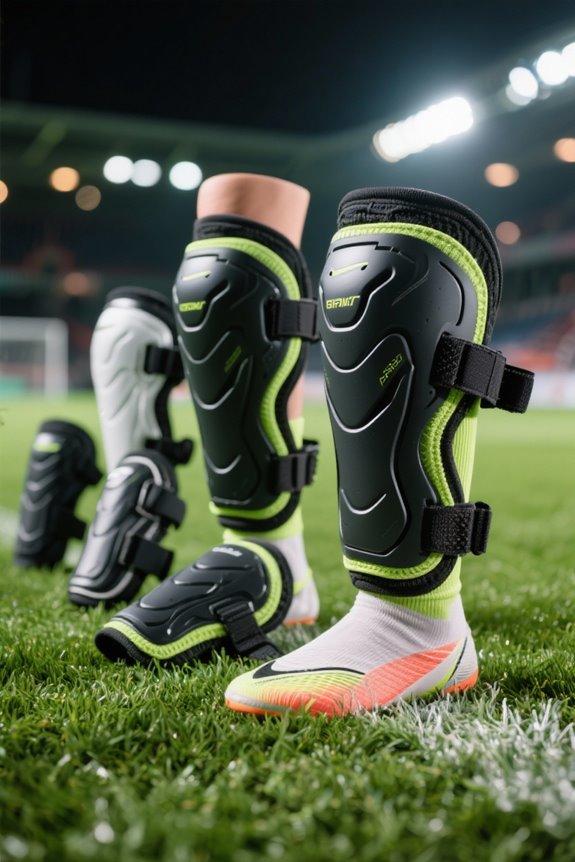
What features should players look for to guarantee peak ankle support in their shin guards? First, integrated ankle padding enhances impact protection and supports anatomy awareness. Adjustable hook-and-loop straps or elastic bands secure the shin guard, minimizing slipping during play. Stirrups under the foot anchor the guard, limiting unwanted vertical and lateral movement. Players may also benefit from detachable ankle guards, allowing for custom modifications based on individual preferences. Additionally, compression sleeves with arch support improve fit, while breathable materials wick moisture, preventing slippage. Reinforced side padding protects vulnerable areas, and separate ankle cuffs provide additional support. Overall, choosing shin guards with these features can greatly reduce the risk of slippage during intense games while enhancing overall performance stability. Furthermore, ankle braces can provide essential support and stabilization, further reducing the likelihood of injury during gameplay.
Maintenance Practices for Optimal Performance
Proper maintenance practices are essential for maximizing the performance and lifespan of shin guards, as neglecting them can lead to diminished safety and effectiveness during play. Athletes should adhere to specific cleaning protocols, including wiping down shin guards immediately after each use to remove sweat and dirt, which prevents bacterial growth. Weekly deep cleaning is advisable, involving hand washing removable padding with mild detergent and allowing it to air dry completely. Effective drying techniques include using well-ventilated spaces and fans to guarantee thorough moisture removal. Additionally, athletes must avoid storing damp gear in sealed bags, as this accelerates material breakdown and odor formation, compromising the overall function of the shin guards during intense gameplay. Regular inspections for wear can also help ensure continued protection and performance on the field.
Regular Gear Inspection and Replacement
Regular inspection and timely replacement of shin guards are essential practices for ensuring athletes’ safety and comfort during play. The frequency of replacement depends on usage; guards used multiple times per week should be replaced every 6-12 months, while those used less frequently can last 18-24 months. Regular inspection is important to identify visible wear, such as cracks or degradation of protective materials. Loose straps and improper fit may lead to guards slipping during intense activities, emphasizing the need for thorough checks after each game. Proper sizing is crucial, as shin guards should fit snugly below the knee and above the ankle. Athletes who inspect and replace their gear diligently will maximize protection and minimize potential slippage.
Developing a Consistent Gear Routine
Developing a consistent gear routine is vital for athletes seeking to enhance their performance and safety during play. Selecting shin guards based on player preferences, such as slip-in or ankle guards, can notably reduce slipping by guaranteeing proper fit and protection level. Athletes should utilize compression sleeves and sock techniques to stabilize shin guards, which prevents shifting during intense activity. Fastening straps snugly enhances fit, while regular gear adjustments are important mid-game to maintain tightness after movement. Incorporating athletic tape, applied strategically, reinforces guard position and minimizes rotation. Consistency in this routine guarantees players start tightly fitted and remain comfortable, ultimately optimizing their performance and reducing distraction.
Frequently Asked Questions
How Often Should I Replace My Shin Guards?
Shin guard lifespan varies considerably; factors to take into account include usage intensity, material durability, and visible wear. Typically, frequent users should replace every 6-12 months, while less active individuals may extend replacement to 18-24 months.
Can I Customize My Shin Guards for a Better Fit?
Yes, shin guards can be customized for a better fit by selecting appropriate shin guard sizes and utilizing adjustable straps. This enhances comfort and stability, ensuring maximum protection during gameplay and reducing the likelihood of slipping.
What Are the Best Brands for Shin Guards?
A player named Sam found Nike performance guards ideal for protection, while Jenna preferred Adidas comfort for her youth games. Under Armour durability satisfied Matt, and Puma design appealed to Lisa’s agility-focused playing style.
How Do I Deal With Shin Guard Odor?
To deal with shin guard odor, regular maintenance is essential. Implement shoes maintenance practices like washing guards with antibacterial soap, using moisture-wicking materials, and applying odor control products to effectively minimize bacterial growth and unpleasant smells.
Are There Specific Shin Guards for Different Sports?
Nearly 75% of soccer injuries involve the lower limbs; consequently, shin guards require sport-specific designs. Soccer-specific guards prioritize lightweight flexibility, whereas field hockey guards offer enhanced protection against impact, tailored for each sport’s unique demands.