As an Amazon Associate, we earn from qualifying purchases. Some links on this site are affiliate links at no extra cost to you. Our recommendations are based on thorough research and editorial judgment.


How To Choose Between Roll Finger And Traditional Finger Cuts?

Goalkeepers should consider their specific needs when choosing between roll finger and traditional finger cut gloves. Roll finger gloves optimize grip and ball control with a snug fit, enhancing catching comfort and cushioning. In contrast, traditional gloves offer a looser fit, beneficial for training and beginner players. Comfort and grip preferences may vary, influencing performance. A clear understanding of these gloves can help in selecting the best option for individual playing styles and conditions, guiding choice with informed insights.
Key Takeaways
- Consider your hand shape: Roll finger gloves suit wider hands, while traditional cuts offer a looser fit for broader palms.
- Evaluate your playing conditions: Roll finger gloves excel in wet weather, enhancing grip, while traditional gloves are more durable and ideal for training.
- Focus on comfort preferences: Roll finger gloves provide a snug fit and are designed for enhanced ball control, while traditional cuts promote a wider feel.
- Look for specific use cases: If you prioritize cushioning and finger stability, choose roll finger; for basic handling skills, opt for traditional gloves.
- Assess durability needs: Traditional gloves offer longevity for beginners, while roll finger gloves, with reduced seams, may need more careful maintenance in high-impact play.
Understanding Roll Finger Cut Design

The roll finger cut design plays an essential role in the performance and comfort of goalkeeper gloves. This construction technique involves stitching latex around the fingers, rolling it over the top to maximize palm contact with the ball. The design benefits extend to enhanced grip, especially in wet conditions, due to increased latex coverage. Unlike negative cuts, the roll finger style lacks gussets, resulting in a snug, rounded fit that conforms to the natural shape of the fingers. This design absorbs impact effectively, reducing sting from hard shots. Professionals often favor roll finger gloves for their balance of comfort and grip, providing a traditional feel that enhances confidence and ball control during gameplay. Additionally, the choice of materials used in these gloves, such as high-grade leather, can significantly impact their durability and performance on the field.
Exploring Traditional (Flat) Finger Cut Design

Goalkeeper gloves utilizing traditional flat finger cut design represent the original style in glove manufacturing. This flat cut features a boxy shape and external stitching, creating a wider palm area for ample hand room. Significantly, the stitching is visible, underscoring the straightforward construction that enhances longevity. Durability differences become apparent, as flat cut gloves tend to withstand frequent use, making them ideal for training sessions or youth players. Player preferences vary; those with wider hands often favor this cut for its relaxed fit. While comfort levels benefit from the looser design, the less form-fitting nature may impact ball control and precision when compared to more advanced glove designs. Overall, the flat cut design remains a reliable, durable choice for many goalkeepers. Additionally, the choice of high-quality materials in glove construction plays a significant role in their durability and performance.
Recommended Products
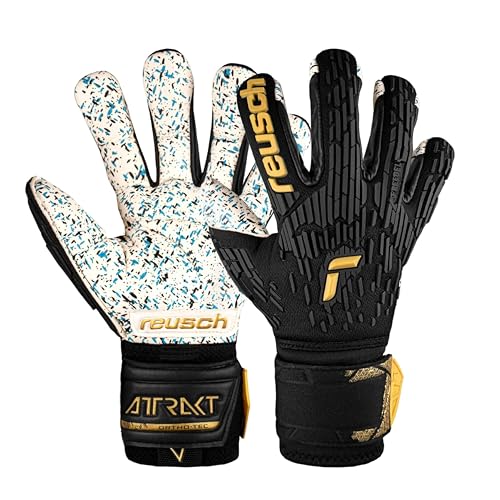
R-Grip Fusion latex palm offers maximum grip in all weather conditions

WELCOME TO THE PROS: You are your team's last line of defense; Excel as a teammate and player with specialized, roll-negative, hybrid-cut soccer goalkeeper gloves by Storelli; Includes premium mesh storage baglized, roll-negative, hybrid-cut soccer goalkeeper gloves by Storelli; Includes premium mesh storage bag

UNMATCHED IMPACT PROTECTION: Features 3.5mm of high-grade, soft latex and 3mm of impact foam to ensure palm protection and superior grip; Includes a reinforced latex punch zone for advanced ball control
Comfort Levels: Roll Finger vs. Traditional

How do roll finger and traditional finger cuts compare regarding comfort levels? Roll finger gloves typically provide a looser fit, allowing more hand movement due to the latex wrapping fully around the fingers. This design promotes a natural curvature for comfortable catching but can feel bulkier. In contrast, traditional finger cuts feature outside stitching, resulting in a wider fit that comfortably accommodates larger hands. While this design offers a roomier feel, it can lead to less snug contact, possibly perceived as sloppy without precise sizing. Comfort preferences vary, with some players favoring the roll finger’s flexibility, while others appreciate the extra space in traditional cuts. Ultimately, choosing between these glove fits depends on individual comfort needs. Additionally, the choice of glove may also affect adhesive strength and overall performance during gameplay.
Recommended Products

Wilson 2024 A2000 PF50SS 12.25” Outfield Baseball Glove - Right Hand Throw

SuperSnakeSkin is a microfiber material that’s half the weight of Pro Stock Leather, but twice as durable - in an all-new textured design. Its moisture-resistance extends the longevity of the glove, and is easier to clean than traditional leather

Wilson Spring 2026 A2K B23 12” Pitcher’s Baseball Glove- Right Hand Throw, Red/Black
Fit Characteristics of Roll Finger Gloves

When evaluating the fit characteristics of Roll Finger gloves, one finds that the design greatly influences both comfort and functionality. These gloves feature latex that wraps around the entire finger, increasing the latex-to-ball contact surface and enhancing finger comfort. The snug yet slightly bulkier fit of Roll Finger gloves guarantees fit adjustment to accommodate broader hand shapes, providing a generous internal space. This allows for improved grip during catches, especially in wet conditions. Additionally, reduced seams on the outer surface minimize material bunching, promoting a more seamless feel. Goalkeepers often prefer this design because it offers better cushioning and increased ball retention, prioritizing grip over a skin-tight fit typically associated with traditional finger cuts. Furthermore, the advanced spine systems in Roll Finger gloves enhance finger support while maintaining flexibility, boosting overall performance on the field.
Recommended Products
R-Grip Fusion latex palm offers maximum grip in all weather conditions

SUPERGRIP+ is exactly what it says. High-performance foam with the ultimate grip.

Integrated Cell Coverage—GeoFlex II material provides flexible protection for the power player.
Fit Characteristics of Traditional Gloves

The fit characteristics of traditional gloves are fundamentally shaped by their design and construction methods. These gloves typically range from 11 to 12 inches for baseball infield positions, offering a snug fit that allows for precise control. They feature a shallow pocket, which supports quick ball retrieval, essential for infield plays. Traditional glove advantages include their stiffer leather, providing durability and a firm feel that requires a longer break-in time. This stiffness helps maintain the glove’s shape over time, contributing to effective traditional glove maintenance. Additionally, the open finger orientation promotes better dexterity, enhancing individual finger control without excess material bulk. Overall, traditional gloves offer a compact fit that remains responsive through extended use, making them favorable for competitive players. Furthermore, durable fabric like high-density nylon mesh is crucial for ensuring long-lasting use in sports gear, including gloves.
Recommended Products

REVOLUTIONARY DESIGN | Join the REVolution with the Rawlings REV1X Baseball Glove, a technologically advanced ball glove crafted to outperform the competition

This Gloves Replaces the W-1275H Model

FLAWLESSLY CRAFTED | Crafted with supple kip leather, Mike turns to this high-performance glove that's durable and perfectly soft
Grip and Ball Contact: A Comparison
Grip and ball contact represent critical elements in baseball glove performance, affecting how players interact with the ball during play. Traditional finger cuts maintain natural finger alignment, allowing for precise grip adjustments and greater finger sensitivity at the moment of ball contact. This configuration yields a shallower pocket, facilitating quicker transfers essential for infielders. Conversely, roll finger cuts feature a rolling seam that enhances comfort and grip precision through a deeper pocket. This design optimizes ball trapping, minimizing slippage during high-velocity catches. Although traditional cuts provide firmer closure for quick releases, roll finger gloves cushion impacts better, reducing stinging sensations, and making them preferable for outfielders and catchers. Players should consider these factors to choose based on their specific positional needs. Additionally, using equipment made from soft, lightweight materials can further enhance comfort and performance during gameplay.
Analyzing Durability of Roll Finger Gloves
How do durability factors influence the performance of Roll Finger gloves? The choice of Roll Finger materials greatly impacts longevity, with latex often wrapping around the fingers, increasing exposure. Premium latex foams, like German-made match foam, balance softness and durability. Stitching techniques also enhance durability; the absence of gussets reduces seam failures, while reinforced seams resist tearing. Environmental factors can challenge glove materials, particularly in wet or sunny conditions, which can accelerate latex degradation. Roll Finger gloves often feature specialized wet-weather palm technology for improved grip. Cushioning effects contribute to durability by absorbing impacts, thereby reducing stress on materials and stitching. This design element lowers the risk of cracks and splits, ultimately extending the glove’s lifespan. Additionally, gloves like the Renegade GK Fury incorporate German Giga Grip latex for optimal traction, which can also enhance durability in various weather conditions.
Analyzing Durability of Traditional Gloves
Durability of traditional goalkeeper gloves is influenced by various factors, including materials, usage patterns, and maintenance practices. The primary material used is latex, known for its superior grip but vulnerable to damage from dirt and sweat. Proper glove care, such as timely cleaning and air drying, is vital to extending their lifespan. Traditional gloves, with a flat cut design, offer a comfortable fit but may have varying wear rates across different areas of the palm. Regularly rotating multiple gloves can also prevent excessive wear from consistent use. Additionally, environmental factors, like synthetic turf’s abrasiveness, can accelerate deterioration. As a result, diligent latex maintenance and informed usage are essential for ensuring the longevity and performance of traditional goalkeeper gloves. Players should consider quality latex options when selecting gloves to enhance durability and grip performance.
Performance Preferences for Goalkeepers
When considering goalkeeper gloves, what performance attributes are most essential for various playing conditions? Goalkeepers often prioritize grip and ball control based on specific needs. Negative cut gloves, designed for a snug fit, enhance grip during quick saves, making them ideal for competitive play. Conversely, roll finger gloves provide additional latex coverage, improving ball retention in wet conditions. The fit of gloves also matters; negative cuts suit narrower hands, while roll finger styles accommodate wider hands, allowing for personalized adjustments in customizing gloves. Ultimately, personal preference plays a vital role in this decision, as it influences comfort and performance. An appropriate glove cut enhances reaction time, control, and safety during matches, impacting overall shot-stopping effectiveness. Additionally, understanding the importance of durable materials used in glove construction can further aid in selecting the right pair for optimal performance.
Use Cases for Roll Finger Gloves
Roll finger gloves serve specific use cases that cater to the needs of various goalkeepers. These gloves excel in wet weather conditions, providing superior grip on slippery balls, which is vital during specific match scenarios. Goalkeepers who prioritize both grip and cushioning often select roll finger designs for their snug fit and enhanced finger stability. The wrap-around latex offers increased surface area for ball contact, reducing the likelihood of slippage during fast-paced plays. Additionally, the extra padding enhances finger protection, making these gloves ideal for high-impact games. Ultimately, goalkeeper preferences lean towards roll finger gloves when comfort and confidence in grip and safety are paramount during competitive play, ensuring effective performance at essential moments. Furthermore, the grip type and material strength significantly influence the overall effectiveness of these gloves in various conditions.
Recommended Products
Integrated Cell Coverage—GeoFlex II material provides flexible protection for the power player.

PALM: Three-dimensional spikes on the surface of this professional match latex increases the friction between the glove and the ball for maximum grip and control

PALM: Reusch Grip Gold X latex for maximum grip, and stickiness in all conditions. This is the preferred latex of Reusch Pro goalkeepers
Use Cases for Traditional Gloves
Several distinct use cases for traditional gloves demonstrate their effectiveness for various types of goalkeepers, particularly those who are new to the sport. Traditional gloves offer numerous benefits for beginner goalkeeper choices, primarily due to their flat palm design, which provides a looser fit. This forgiving construction aids young goalkeepers in learning basic handling skills while absorbing impact from hard shots, ensuring safety during practice. Equipped with finger saves, these gloves protect developing fingers from injury, promoting confidence. Additionally, their comfort-oriented design allows for longer wear during training sessions, reducing fatigue. For goalkeepers prioritizing durability and cost-effectiveness, traditional gloves are ideal as they facilitate the development of fundamental skills without the pressure of high-end performance models.
Market Trends in Goalkeeping Gloves
What are the current trends shaping the market for goalkeeper gloves? The global market, valued at approximately USD 1.5 billion in 2023, is expected to reach USD 2.3 billion by 2032, reflecting market dynamics powered by increased football participation. E-commerce has emerged as a significant driver, expanding consumer engagement through personalized offerings and direct sales. Enhanced materials such as advanced latex improve grip and durability, while specialized gloves adapt to varying weather conditions. The demand for custom-fit and ergonomic designs is rising, influenced by safety concerns and performance optimization. Regional growth, particularly in the Asia-Pacific, signals increased investment in football, further driving the market and broadening consumer reach across all demographics.
The Impact of Finger Cut on Playing Style
The choice of finger cut greatly influences a goalkeeper’s playing style by affecting their grip, comfort, and overall performance. Roll Finger gloves, designed with latex wrapping around the fingers, enhance hand shaping and provide maximum ball contact, facilitating confident catching and control. This design reduces finger dexterity, making them less suitable for goalkeepers who rely on rapid ball manipulation. In contrast, traditional cuts like Negative or Flat palm may offer a tighter fit, promoting quick reflexes and precise movements, but at the cost of overall comfort. Goalkeepers who prioritize secure handling and comfortable grip often prefer Roll Finger gloves, while those seeking agility and responsiveness may opt for tighter-fitting alternatives that support their specific playing style.
Choosing the Right Gloves for Your Needs
Choosing the right gloves is essential for achieving ideal performance on the field. Players should consider specific user preferences, such as hand shape, when selecting gloves. Roll Finger gloves provide a looser fit and enhance grip, while Traditional Finger cuts are better for wider hands, offering a structured experience. For those seeking responsiveness, Negative Cut gloves deliver a snug fit, which is ideal for precise ball control. Hybrid gloves merge comfort and grip, appealing to a broader range of users. To guarantee longevity, players should follow glove maintenance tips, including cleaning them after use and storing them in a cool, dry place. This careful selection and maintenance will greatly enhance a player’s performance and glove durability in any game.
Frequently Asked Questions
Are Roll Finger Gloves Suitable for All Weather Conditions?
Roll finger gloves are suitable for various weather conditions, offering superior grip through optimized material types. However, their pros include exceptional wet performance, while cons may arise in dry heat affecting flexibility and breathability.
How Do I Properly Care for My Goalkeeper Gloves?
Properly caring for goalkeeper gloves involves following essential glove maintenance tips, such as using appropriate cleaning techniques, allowing gloves to air-dry, and storing them in breathable bags to prolong their lifespan and maintain peak performance.
Can Roll Finger Gloves Accommodate Finger Injuries?
Approximately 70% of goalkeepers prefer roll finger gloves for finger injury protection. Their glove padding options provide a snug yet cushioned fit, accommodating swelling and enhancing comfort while safeguarding sensitive areas during play and recovery.
What Size Should I Choose for My Roll Finger Gloves?
For roll finger gloves, one should determine size based on the larger measurement of hand length or circumference. Fit preference might affect the choice, with looser options recommended to enhance comfort and glove lifespan.
How Do Wrist Closures Differ Between Glove Types?
Wrist closures, like the armor of a knight, differ greatly between glove types. Roll finger gloves use elastic materials and adjustable strap options for comfort, while traditional cuts rely on firm Velcro for stability and control.


