As an Amazon Associate, we earn from qualifying purchases. Some links on this site are affiliate links at no extra cost to you. Our recommendations are based on thorough research and editorial judgment.


How To Set Up Rebounders For Maximum Training Benefit?

To set up rebounders for maximum training benefit, select a stable type that meets user needs, such as spring-based or bungee cord models. Confirm a suitable size, ideally 40 inches for basic exercises, while prioritizing frame integrity and safety features. Adjust tension settings to match fitness levels, and incorporate proper posture techniques to enhance performance. Regular maintenance and safety checks will prevent hazards. Understanding these factors allows for an effective workout regime tailored to individual goals. Further details can enhance your setup knowledge.
Key Takeaways
- Choose the right rebounder size and type for your fitness level and space availability, prioritizing stability and comfort during workouts.
- Ensure the rebounder is placed in a well-lit and ventilated area, allowing for safe visibility and effective aerobic capacity.
- Perform a proper warm-up with low-impact bouncing to raise body temperature and prepare muscles for exercise, reducing injury risks.
- Regularly adjust tension settings to create varying resistance levels, enhancing the workout’s intensity and engaging multiple muscle groups.
- Maintain correct posture during workouts by keeping feet shoulder-width apart, knees slightly bent, and engaging core muscles for stability and safety.
Selecting the Right Rebounder
When selecting the right rebounder, individuals must consider various features that affect performance and usability. Different rebounder types cater to specific user preferences, such as basic models for single-person workouts or commercial-grade options designed for high-intensity settings. Handlebar rebounders offer stability for those requiring additional support, while spring-based models provide adjustability through high-grade steel springs. Bungee cord rebounders present a quieter, joint-friendly alternative but may suffer from noise and wear over time. Size and shape also play a critical role; round rebounders are ideal for individual use, while oval or hexagonal options accommodate multiple users. Ultimately, choosing the perfect rebounder hinges on aligning specifications with the intended fitness goals and user needs. Additionally, many rebounders feature adjustable angles that allow for customizable training sessions to enhance various skills.
Recommended Products

TRANSFORM YOUR PILATES WORKOUTS: The Cardio-Tramp Rebounder converts your Merrithew V2 Max or Rehab V2 Max Reformer into a dynamic cardio and strength training tool — perfect for low-impact, high-intensity exercise.

All-in-One Fitness Solution: The AeroPilates 701 Premier offers a complete workout solution for toning, strengthening, and more, ideal for core training and improving flexibility; Max user weight capacity of 300 lbs
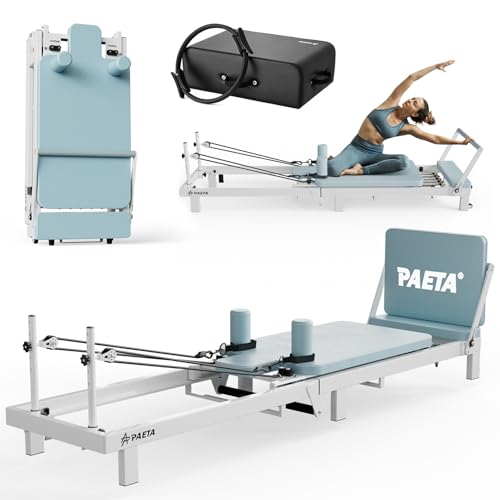
[HOME FITNESS SOLUTION]: Our all-in-one pilates reformer lets you work out on your schedule, without costly gym memberships or crowded classes. With customizable exercises targeting specific areas, achieving your fitness goals is easier than ever. The foldable pilates reformer is compact, folding to just 2 SQ.FT, ideal for any home. Moveable wheels allow for easy storage under beds or in corners.
Evaluating Frame Stability and Surface Safety

Evaluating frame stability and surface safety is essential for a secure rebounder experience. The frame must demonstrate robust frame integrity, typically incorporating heavy-duty steel and secure welds. Folding trampoline frames may provide slightly less stability, but quality frame pads and clips can mitigate this issue. Regular inspections of frame joints and welds help identify potential wear that could compromise safety. Additionally, the trampoline bed should consist of tightly woven mesh securely attached for peak rebound. Safety padding must cover all frame edges and springs to prevent injuries during use. Using rubber caps on frame legs enhances stability by absorbing shock and reducing vibrations, while an anti-slip surface beneath the rebounder further facilitates safe operation during workouts. Consider incorporating heavy-duty rubber bases to further enhance stability and minimize the risk of tipping during intense training sessions.
Recommended Products

COMPLETE ALL-IN-ONE BUNDLE FOR YEAR-ROUND FUN: Includes the Avyna Pro-Line Inground Trampoline with retaining wall and safety pad, a vibrant 8-color LED light kit with cycling patterns and custom modes, plus a heavy-duty vinyl weather cover for full protection. This all-season package delivers a premium bounce experience while shielding your trampoline from weather and debris, ensuring lasting performance and worry-free backyard enjoyment in any climate.

17ft high-quality rectangular trampoline designed for both fun and serious training, featuring an adjustable height setting from 2ft to 3.5ft to cater to all ages and skill levels. Up to four innovative corner doors with safe waiting areas.
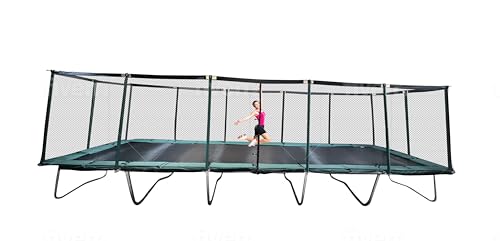
Dimension & Weight Limit: Galactic Xtreme's professional 10x30 ft rectangle outdoor trampoline with 9.5 ft frame height and a 750-pound weight capacity is perfect for gymnastics and family playtime
Size Considerations for Users

Choosing the right size for a rebounder is vital for guaranteeing the user’s comfort and safety, especially as it directly affects the quality of workouts. Rebounder dimensions play an essential role in meeting individual user preferences. Taller users typically benefit from larger rebounders, ranging from 44 to 48 inches, which provide adequate space for comfortable movement. In contrast, users in limited spaces may opt for smaller rebounders, between 36 to 40 inches, which balance portability and usability. A 40-inch rebounder is often viewed as a universal size, suitable for basic exercises while still offering some freedom of movement. Users should also consider weight capacity and foot size to guarantee safety, stability, and overall performance during exercises. Additionally, selecting a rebounder with adjustable angles can enhance training versatility and target specific skills effectively.
Recommended Products

Dimension & Weight Limit: Galactic Xtreme's professional 13x23 ft rectangle outdoor trampoline with 9.5 ft frame height and a 750-pound weight capacity is perfect for gymnastics and family playtime

Premium Quality InGround Trampoline – Designed in the Netherlands, the Avyna InGround Trampoline is built with heavy-duty, high-tensile 11-gauge steel and a hot-dipped galvanized frame, making it rust-resistant, ultra-durable, and ready for action! Tested to support over 1,750 lbs, this rectangle trampoline is perfect for wild flips, high jumps, and endless backyard fun!

Premium Quality InGround Trampoline – Designed in the Netherlands, the Avyna Pro-Line InGround Trampoline is built with heavy-duty, high-tensile 11-gauge steel and a hot-dipped galvanized frame, making it rust-resistant, ultra-durable, and ready for action! Tested to support over 1,750 lbs, this rectangle trampoline is perfect for wild flips, high jumps, and endless backyard fun!
Adjustability for Resistance and Intensity

Adjustability for resistance and intensity becomes a significant factor after selecting the appropriate rebounder size. Adjustable tension settings determine how much the surface sinks under weight, impacting exertion levels during workouts. Firmer settings require more effort, providing greater resistance, which is particularly beneficial for beginners and seniors. Conversely, softer settings allow greater sink for individuals with higher fitness levels, reducing joint strain. Integrating resistance bands with rebounders further enhances workouts, adding external load to engage multiple muscle groups. Additionally, modifying bounce patterns—such as foot positions and dynamic movements—affects intensity levels, enabling customizable training experiences. Overall, the combination of adjustable resistance and varied movements allows users to optimize their fitness routines according to personal goals and fitness levels. Furthermore, features like adjustable angles allow for targeted training, maximizing the effectiveness of each workout session.
Recommended Products

Includes Reformer Box with Footstrap, Padded Platform Extender, Metal Roll-up Pole,

NEWEST FAST INSTALLATION DESIGN: The jumping mat has been installed on the frame with bungee cords at our factory. Save you 90% of installation time. You only need to open the folded trampoline and screw on the legs, then you can start to exercise right away. The traditional trampoline requires you to install springs one by one and waste several hours to install.

Studio-Quality Design: Features a solid oak wood base, elevated steel frame, wide padded platform, and smooth aluminum rails for a professional Pilates experience at home
Importance of Safety Features

Ensuring safety features in rebounders is essential for users at all fitness levels. Safety innovations like anti-tip designs, padded frames, and reinforced structures contribute greatly to injury prevention. Frames built from indestructible metal with T-Bracket technology enhance stability, accommodating user weights ranging from 300 to 400 lbs, which supports vigorous workouts safely. Thick, weather-resistant padding surrounds the springs to protect users from accidental contact, while bungee cord systems reduce pinch points. Thorough user instructions warn against high-risk behaviors and emphasize the importance of a level floor to avoid tipping hazards. Additionally, rebounders undergo rigorous safety testing to withstand high static weights, further assuring their structural integrity during use, creating a secure environment for exercise. Furthermore, choosing rebounders with durable materials ensures they can withstand wear and tear, enhancing long-term safety and performance.
Portability and Storage Options
Rebounders are designed not only for performance but also for convenience, especially when it comes to portability and storage options. Many rebounders feature portability features, like folding legs that collapse flat, enabling easy storage under beds and in closets. Models that fold in half reduce their footprint, making them suitable for compact travel cases. Weighing around 15 lbs or less, many rebounders prioritize lightweight design for effortless transportation. Additionally, built-in storage solutions, such as integrated ball trays, help keep accessories organized and reduce clutter. Storage racks and carts offer effective organization for multiple rebounders in studios or gyms. These thoughtful design elements enhance the user experience by ensuring ease of transport and maintaining an organized exercise environment. Furthermore, heavy-duty metal frames ensure stability during intensive use, making them ideal for various practice settings.
Recommended Products
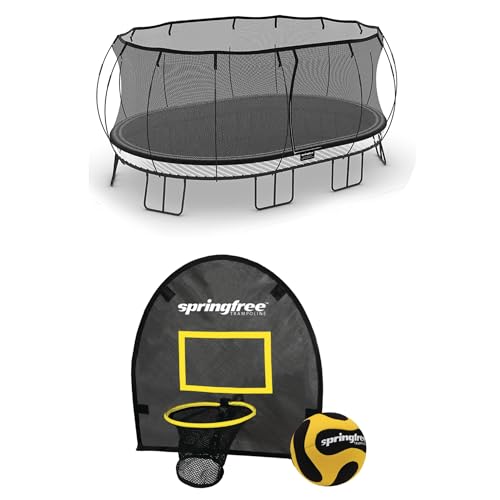
Boundless Fun: Set of jumbo oval trampoline and FlexrHoop basketball hoop attachment ensures endless laughter, boundless joy, and unforgettable memories for years to come

Studio-Quality Design: Features a solid oak wood base, elevated steel frame, wide padded platform, and smooth aluminum rails for a professional Pilates experience at home
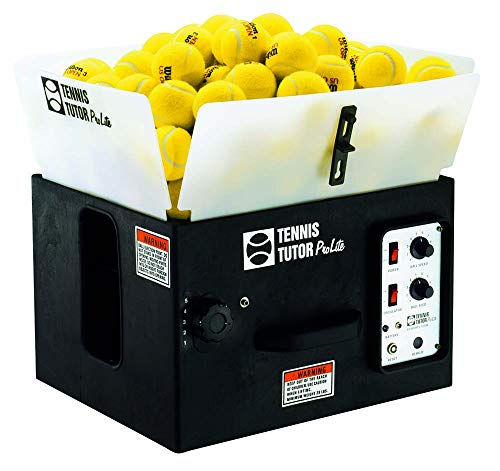
EASY-TO-USE KNOB CONTROLS - No programming or phone app required.
Optimal Surface Setup for Rebounding
Creating an ideal surface setup for rebounding is vital to guarantee safety and maximize performance. A flat and level surface guarantees surface stability, preventing wobbling and reducing injury risks during vigorous movements. Hard surfaces like timber floors and concrete are preferable, as they offer ideal cushioning, unlike softer surfaces such as carpet that may dampen bounce quality. It’s important to avoid slippery areas to maintain safety and prevent accidents. For outdoor setups, stable surfaces like wooden decks are recommended instead of uneven grass, which compromises bounce consistency. Additionally, regular inspection of the rebounder mat is necessary; it should be taut and free of excessive slack to maintain ideal bounce and prevent energy loss during training sessions. To further enhance your training, consider utilizing a heavy-duty soccer ball net bag to keep your equipment organized and easily accessible.
Creating Ample Clearance Around the Rebounder
A proper clearance zone surrounding a rebounder is essential for user safety and performance. To prevent head or neck injuries, a minimum overhead clearance of 5 meters is recommended, especially in indoor settings where heights of 5.2 meters are required under safety regulations. Lateral clearance zones should measure between 1 to 1.5 meters around the rebounder to avoid injuries from walls or adjacent objects. Keeping the area unobstructed is vital; obstacles like furniture and toys can pose tripping hazards during mounting or dismounting. Regular inspections of the clearance area help to eliminate any new hazards, thereby ensuring compliance with safety regulations while providing adequate space for safe movement around the device and reducing the risk of accidents. Additionally, incorporating muscle recovery tools can enhance post-training recovery and overall performance.
Importance of Lighting and Ventilation
Proper lighting and ventilation are critical components of a safe and effective rebounder setup. Adequate overhead lighting improves visibility, enhancing spatial awareness and reaction time during workouts. Implementing diffused, glare-free lighting mitigates eye strain and distraction, contributing to safety and focus. To achieve the best lighting effects, avoid direct sunlight, which can create glare or heat buildup on the rebounder surface. Ventilation impact is equally important; guaranteeing good air circulation maintains a comfortable temperature, facilitating aerobic capacity and preventing overheating. Placing the rebounder near windows or fans supports fresh air flow. Regular maintenance of light fixtures and ventilation systems is essential to guarantee an ideal exercise environment, minimizing the risk of accidents and enhancing workout enjoyment. Additionally, utilizing equipment like agility ladders can further improve overall training performance by enhancing coordination and foot speed during drills.
Warm-Up Techniques Before Rebounding
How can individuals guarantee they are adequately prepared for rebounding workouts? Effective warm-up techniques include dynamic movements and joint mobilization, which enhance blood flow and muscle activation. To start, participants should engage in low-impact jogging or bouncing for 3 to 7 minutes on the rebounder. This gradually raises core body temperature. Individuals can perform heel lifts and toe taps to gently activate their calves and ankle joints. Controlled hip circles and torso rotations are essential for mobilizing the spine while facilitating core engagement and maintaining posture alignment. Incorporating basic bounces and marching movements effectively promotes lower body blood flow and activates hip flexors, ensuring readiness for more intense rebounding sessions. A structured warm-up prevents injury and maximizes training benefits. Additionally, using high-quality materials in training equipment contributes to both safety and durability during workouts.
Structuring Effective Workout Sessions
Effective workout sessions require careful structuring to maximize benefits and enhance overall fitness. Session duration should start at 10-15 minutes for beginners, gradually increasing to 30-45 minutes for advanced users. Incorporating exercise variety, like jumping jacks and squats, keeps workouts engaging and targets different muscle groups. Intensity progression is essential; individuals should begin gently, then incorporate high-intensity interval training as fitness improves. Structured workouts must include a warm-up to prepare muscles, followed by balance training and coordination techniques that prevent injuries. Additionally, implementing recovery protocols, such as active rest days with light stretching or yoga, guarantees muscle recovery while maintaining overall workout integrity. This approach promotes steady progress and lasting results.
Techniques for Maintaining Proper Posture
Maintaining proper posture while using a rebounder is essential for minimizing injury risk and optimizing performance during workouts. Correct body alignment begins with feet placed shoulder-width apart, distributing weight evenly across the feet. Knees should remain softly bent to absorb impact, while a slight forward hinge at the hips preserves lower back safety. Engaging core stabilization, by gently tightening abdominal muscles, further enhances trunk stability. Shoulders should be relaxed and rolled back to prevent tension, with the chest lifted but not exaggerated in curvature. Additionally, knees must track in line with the second toe to support joint integrity. By adhering to these techniques, rebounder users can guarantee efficient movement patterns, enhancing overall training outcomes while reducing potential risks.
Maximizing Balance and Coordination
Rebounding on a trampoline serves as an effective way to enhance balance and coordination, engaging the body’s stabilizer muscles during dynamic movements. Balance techniques, such as maintaining visual focus on a fixed point, help users improve stability. Each jump requires micro-adjustments of the ankles, knees, and hips, fostering core strength needed for effective balance. Additionally, coordination drills involving varied exercises, like side-to-side jumps, promote full-body engagement and enhance motor skills. This training method is low-impact, reducing joint stress while still providing cardiovascular benefits. By progressively increasing jump intensity and incorporating rest periods, individuals can better challenge their balance and coordination capabilities, ultimately leading to improved overall performance in various physical activities.
Recovery Strategies After Workouts
Recovery strategies after workouts play a significant role in an athlete’s overall performance, well-being, and long-term fitness sustainability. Implementing active recovery techniques is essential for muscle repair and strength gains, as they allow the body to adapt to exercise stress. Rebounder benefits include promoting low-impact exercises that aid lymphatic drainage and improve circulation. Gentle bouncing sessions also enhance joint mobility while minimizing stress on muscles and joints. These restorative workouts can consist of light movements designed for circulation and stress relief, with durations of approximately 15 minutes for effectiveness. Additionally, consistency in using rebounders during recovery phases helps maintain movement habits, facilitating proper energy replenishment and reducing the risk of injury or performance plateaus.
Safety Checks for Rebounder Equipment
Safety checks for rebounder equipment are essential to guarantee user protection and ideal performance. Users must inspect the rebounder’s frame and legs before each use, ensuring no cracks, bends, or rust are present. Maintaining equipment durability requires checking that all legs are securely locked and that any worn or missing parts are replaced immediately. In addition, proper user supervision is vital; only one person should use the rebounder at a time, with constant supervision for children. The area must be free from pets, furniture, and sharp objects to minimize hazards. Adequate overhead and side clearance further enhances safety, preventing contact with low ceilings or obstacles. Performing these checks helps maintain a safe and effective training environment.
Frequently Asked Questions
Can Children Use Rebounders, and at What Age?
Children can use rebounders, ideally starting around age six, but safety considerations are paramount. Age guidelines suggest supervision is essential to mitigate risks, ensuring they benefit from this fun, low-impact activity while avoiding injuries.
How Do I Clean and Maintain My Rebounder?
To clean and maintain a rebounder, regularly wipe down rebounder materials with mild soap, follow a cleaning schedule, inspect springs and legs, and store properly to guarantee longevity and peak performance for safe use.
Can I Use a Rebounder for Rehabilitation Exercises?
Yes, rebounders can be utilized for rehabilitation exercises. They offer rehabilitation benefits such as low-impact workouts and exercise modifications, promoting muscle strength, balance, and coordination essential for recovery while minimizing strain and risk of injury.
What Footwear Is Best for Rebounding Workouts?
The best footwear for rebounding workouts includes shoes designed specifically for this activity, equipped with grip soles. Lightweight models like CelliSole™ offer enhanced stability and cushioning, promoting safe, effective routines while reducing joint stress.
Are There Contraindications for Using a Rebounder?
Yes, there are contraindications for using a rebounder. Safety precautions should include consultation for those with bone, joint, cardiovascular, or neurological issues. User limitations should be considered to prevent injuries and guarantee effective workouts.


