As an Amazon Associate, we earn from qualifying purchases. Some links on this site are affiliate links at no extra cost to you. Our recommendations are based on thorough research and editorial judgment.


What Role Does Cleat Weight Play In Player Performance?

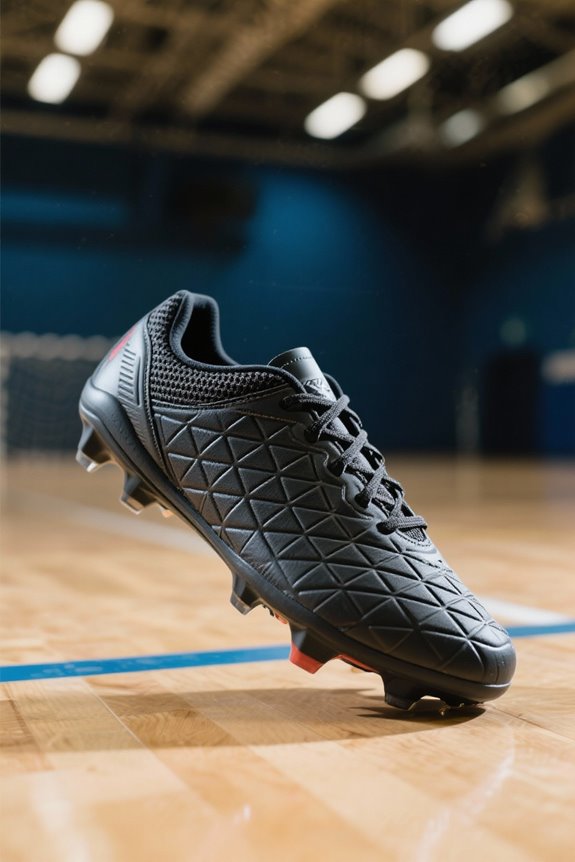
Cleat weight plays a critical role in player performance, impacting comfort, agility, and stability. Lighter cleats enhance sprinting and quick movements, while heavier options provide increased stability and protection. The design, such as bladed studs, can improve force application during sprints and jumps, but excessive traction may raise injury risks, particularly in female athletes. Customizing cleat selection based on sport and surface type can optimize performance and safety. More insights into the relationship between cleat weight and performance await exploration.
Key Takeaways
- Lighter cleats improve sprint performance and agility, enhancing traction and reducing fatigue during rapid movements and directional changes.
- Heavier cleats provide stability and protection, crucial for certain positions but may hinder quick repositioning on the field.
- Proper cleat design and weight balance optimize force application during jumps and sprints, improving overall athletic performance.
- Psychological effects of cleat weight can influence anxiety levels, affecting mental focus and confidence during competition.
- Custom fitting and tailored selections enhance performance by aligning cleat weight and design with specific playing surfaces and athlete biomechanics.
Understanding Cleat Weight Perception
Understanding cleat weight perception is essential for players seeking ideal performance on the field. Players often equate heavier cleats with reduced comfort, affecting their subjective experience. Comfort factors, such as material effectiveness and design aesthetics, influence player preference greatly. High-top models typically feel heavier, impacting ankle support perception, while low-tops are often considered lighter and more agile. Brand influence also plays a role, as popular brands may skew perceptions of weight categories. Despite the subjective feeling of burden associated with heavier models, players could experience enhanced confidence and stability. Consequently, players’ views on cleat color, design, and overall aesthetics also contribute to their understanding of cleat weight, shaping performance expectations during critical gameplay moments. Additionally, proper fit is crucial for stability, as lighter cleats can sometimes compromise support if not properly fitted.
Performance Differences in Cleat Weight
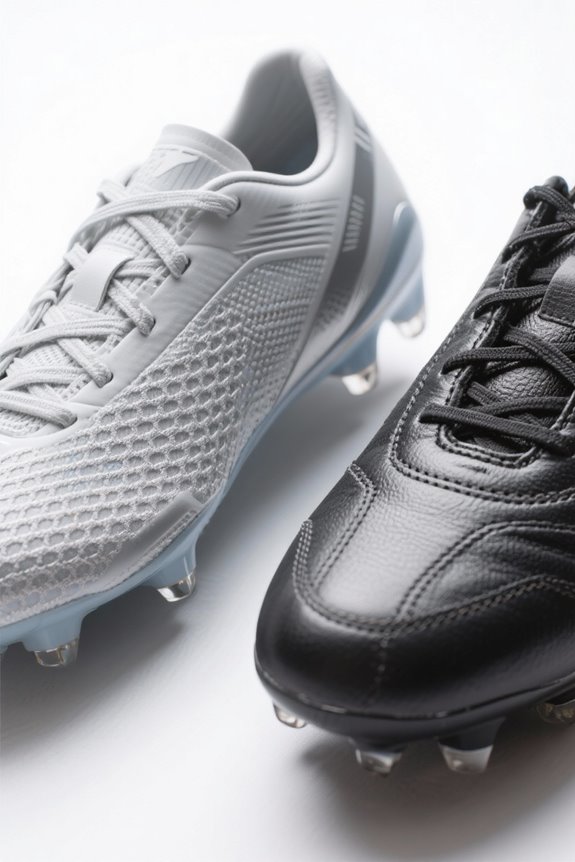
While the relationship between cleat weight and player performance is complex, several key factors emerge regarding how weight differences impact sprinting, jumping, and overall endurance. Lighter cleats can enhance sprint performance by reducing fatigue, allowing athletes to expend less energy during repeated sprints. This reduction is linked to cleat weight benefits, which support improved acceleration and stamina. Conversely, heavier cleats can hinder vertical jump height due to increased limb inertia, while excessively lightweight options may compromise foot stability and protection. Consequently, athlete preferences for cleat weight depend on their sport and position, balancing the need for speed with structural integrity. Ultimately, ideal cleat weight plays a critical role in enhancing performance without sacrificing support or safety during play. Additionally, the choice of material quality significance in cleats can further influence both durability and performance outcomes on the field.
The Impact of Cleat Weight on Agility

The relationship between cleat weight and agility encompasses several critical elements affecting athletic performance during rapid directional changes. Lighter cleats enhance traction on varied surfaces, leading to more controlled deceleration and quicker direction changes. This improved cleat dynamics minimizes slipping, which can disrupt agility and elevate injury risks. While heavier cleats may offer increased stability due to a stiffer outsole, they can hinder the rapid foot repositioning necessary for agility improvement. Furthermore, proper cleat weight balances acceleration and deceleration phases, facilitating faster stabilization. Studies indicate that lightweight footwear contributes positively to agility performance during change of direction drills, while excessive weight can diminish gains achieved in agility training. Consequently, cleat weight is essential for optimizing agile movements in athletics. Moreover, specialized outsoles play a significant role in enhancing traction, thereby further facilitating agility during play.
Exploring Force Production and Jump Performance
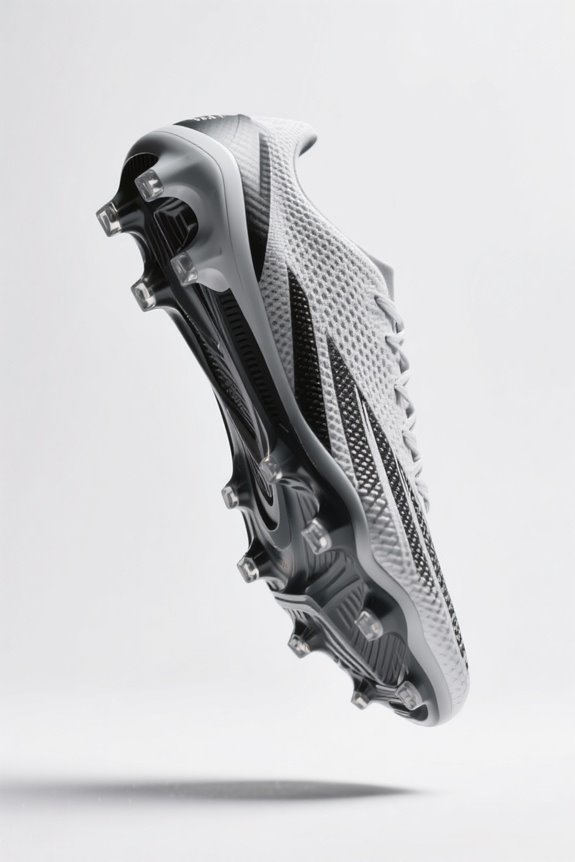
Exploring force production and jump performance reveals essential connections between an athlete’s ability to generate power and the efficiency of their movements. The design of cleats plays a significant role in force application during sprints and jumps. For instance, bladed studs outperform elliptical studs by enhancing ground interaction, which boosts effective force application. Increased stud height enables deeper ground penetration, further improving traction and force output. Additionally, certain cleat designs provide a more homogeneous pressure distribution across the foot, which enhances accuracy during athletic movements. While the weight of the cleat might seem relevant, the overall design and its interaction with the playing surface are the critical factors influencing an athlete’s performance in force production and jump efficiency. Furthermore, multi-studded rubber outsoles significantly contribute to agility and speed, further enhancing overall performance on turf surfaces.
Traction and Cleat-Surface Interaction

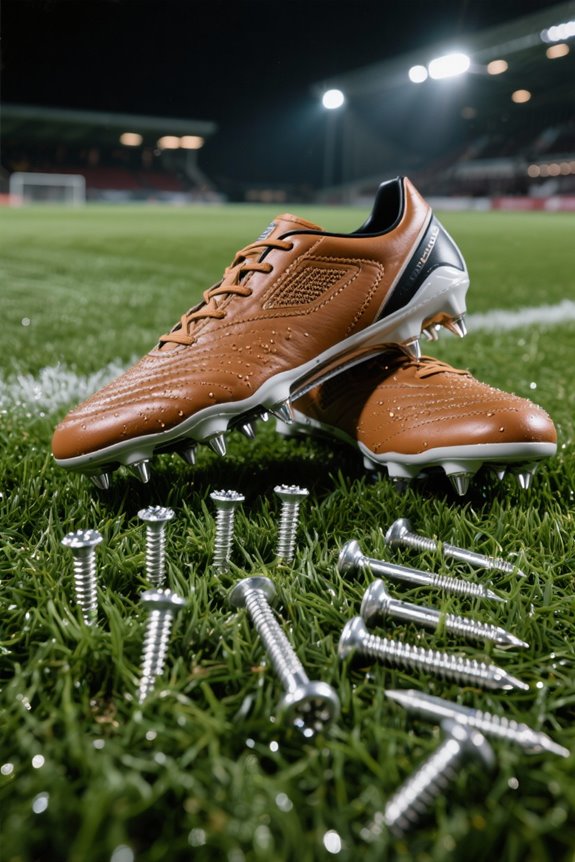
Traction is a key factor influencing athletic performance, especially in sports that require quick movements and directional changes. The effectiveness of cleat design greatly impacts traction efficiency on various surfaces. Patterns that evenly distribute studs help improve pressure distribution, enhancing stability mechanics and player push-off capability. Surface compatibility is critical; for instance, soft ground (SG) cleats perform poorly on artificial turf designed for firmness. Material innovation in cleats can alter dynamic interaction with the ground, as different designs yield varied traction results. Research indicates that the cleat-surface interaction can affect running speed and agility by up to 3%, emphasizing the need for tailored cleat selection based on playing conditions to optimize overall athletic performance. While the rubber outsoles of turf soccer shoes provide excellent grip, their weight and flexibility also play a significant role in overall performance.
Injury Risks Associated With Cleat Design
In recent years, the design of soccer cleats has been recognized as a significant factor influencing injury risks among players. Aggressive stud patterns, for example, correlate with a higher likelihood of lower extremity injuries. Studies indicate that these patterns can increase rotational torque and lateral loading, compromising traction stability on grass surfaces. This excessive traction may cause resistance to foot rotation, elevating the risk of cleat injuries, particularly affecting the ankle and knee. Additionally, female players, who often wear cleats designed for male foot anatomy, face disproportionately higher rates of ACL injuries. Proper cleat design, focusing on traction and flexibility for both genders, aims to mitigate these injury risks and enhance player performance on the field. Moreover, lighter cleats can improve agility and speed during play, potentially reducing the risk of injuries related to excessive weight.
The Role of Cleat Weight in Sports
Player performance on the field is considerably influenced by the weight of their cleats. Heavier cleats can increase energy expenditure, potentially reducing running economy and leading to quicker fatigue during long matches. Conversely, lighter cleats enhance speed and agility by minimizing lower limb inertia, but they may sacrifice cushioning and support. The choice of cleat materials also affects the overall weight, creating a balance between adequate support and minimal weight. Player preferences vary, as some athletes may favor lighter options for speed, while others require more support due to their body composition or play style. Traction remains essential, impacting acceleration and balance by interacting differently with various surfaces, thereby influencing movement efficiency in competitive settings. Additionally, many of the best women’s soccer cleats of 2026 feature lightweight constructions that aid in speed and agility without compromising performance.
Psychological Effects of Cleat Heaviness
Although cleat weight is often considered primarily from a physical performance perspective, its psychological implications cannot be overlooked. Athletes frequently experience heightened psychological stress when perceiving heavier cleats, which can elevate anxiety levels. This unease may impair mental focus, reducing the ability to follow tactical instructions during competitions. Relationships between perceived cleat heaviness and emotional volatility are also evident, as heightened fatigue and mood instability can occur, ultimately impacting overall performance. Additionally, diminished self-esteem due to weight concerns can hinder confidence, affecting decision-making and risk-taking in play. In severe cases, athletes may develop unhealthy coping mechanisms rooted in anxiety, mirroring the mental health challenges seen in weight-class athletes under pressure. Addressing these psychological effects is essential for enhancing performance outcomes. Moreover, lightweight designs in soccer cleats can enhance speed and agility, allowing players to feel more confident and focused on the game.
Factors Beyond Weight Influencing Performance
While cleat weight plays a significant role in athletic performance, various other factors also critically influence how well players perform on the field. Surface compatibility, for example, is crucial; different playing surfaces, such as grass or turf, require specific cleat materials and stud configurations to optimize traction and minimize injury risk. Additionally, cleat flexibility features and cushioning technology enhance overall comfort and stability. The quality of materials like kangaroo leather or high-tech synthetics improves ball control and foot comfort, while durability affects wear patterns during use. A proper fit, achieved through adjustable elements, supports foot mechanics and reduces fatigue. Ultimately, these factors collectively shape player performance, reflecting the need for careful cleat selection based on individual needs and surroundings. Furthermore, synthetic leather is recommended for longevity and resistance, making it a preferred choice among players seeking durability in their cleats.
Weight Versus Traction: What Matters More?
What factors determine the balance between cleat weight and traction in athletic performance? The critical relationship between weight and traction requires careful consideration for peak performance. Enhanced traction can considerably improve a player’s ability to accelerate, decelerate, and pivot on various surfaces, often achieved through larger or longer stud patterns. However, this increase in traction may also result in added weight, necessitating a trade-off. Studies suggest that moderate weight increases can contribute to traction improvement while ensuring stability and safety. Additionally, lightweight cleats may enhance agility, yet they may compromise traction on uneven ground. Ultimately, selecting the right cleat involves understanding sport-specific demands, as effective traction is essential to player performance, affecting both agility enhancement and overall effectiveness on the field. Moreover, many brands offer standard, wide, and extra-wide sizing to ensure a proper fit that maximizes both comfort and performance.
Customizing Cleat Selection for Athletes
Customizing cleat selection for athletes is vital for optimizing performance across various sports. A custom fit that addresses individual biomechanics and weight distribution can greatly enhance an athlete’s ability. Some athletes prefer lighter cleats for speed, while others may choose heavier options that offer greater stability and traction. Properly designed cleats can balance weight and cushioning, improving energy efficiency without sacrificing comfort. Athletes with specific performance needs, like sprinting or cutting, benefit from custom modifications that reduce peak pressures on the foot, mitigating injury risk. Additionally, customized cleats guarantee that weight adjustments align with the playing surface, optimizing performance and comfort. This tailored approach to cleat selection is essential for maximizing athletic performance and minimizing the risk of injury.
Practical Considerations for Various Sports
When selecting cleats for various sports, performance considerations must be tailored to the specific demands of each activity. Football players often favor slightly heavier cleats because they can provide better traction on grass through aggressive stud patterns, helping maintain both speed and grip. Soccer players, on the other hand, prioritize lighter cleats for improved agility and speed on artificial turf, where rapid direction changes are vital. Baseball and lacrosse cleats typically vary in weight, accommodating specific playing surfaces and positional needs; heavier options enhance stability, while lighter choices promote speed. Additionally, cleat design and surface compatibility are essential, as proper traction is imperative to prevent slipping and potential injuries, particularly for athletes tailored to different performance requirements.
Innovations in Cleat Design and Material
Innovations in cleat design and material greatly enhance athletic performance by leveraging advanced technologies and materials. The use of lightweight materials, such as engineered mesh and knitted uppers, reduces overall cleat weight while ensuring durability. Additionally, 3D-printed elements allow for precise customization, which aids in kick accuracy. Innovative fit features, like adaptive lacing and ergonomic heel counters, provide a secure, close molding to the foot, enhancing comfort without adding bulk. Low-profile midsoles integrated with responsive materials deliver efficient energy return, contributing to better acceleration. By optimizing weight distribution and incorporating micro-textured surfaces, manufacturers create cleats that offer superior traction and ball control, ultimately supporting improved agility for athletes across various sports.
Frequently Asked Questions
Do Weight Preferences Change Between Different Player Positions?
Weight preferences indeed vary by position, influenced by position-specific traits. For instance, speed factors prioritize lighter cleats for agile players, while performance analysis reveals heavier cleats enhance stability for linemen, balancing power and control requirements.
How Do Environmental Conditions Affect Cleat Performance?
Environmental conditions greatly affect cleat performance; wet and muddy weather reduces cleat traction, while hard surfaces may alter grip. Adapting cleat design for weather impact is essential for maintaining ideal performance and reducing injury risks.
Can Athletes Benefit From Custom Cleat Fittings?
Like a tailor crafting a perfect suit, custom fitting enhances player comfort, ensuring precise alignment and support. Athletes benefit through improved biomechanics, reduced injury risks, and elevated performance levels, making personalized cleats an invaluable investment.
What Role Does Brand Influence Player Cleat Choices?
Brand influence considerably impacts player cleat choices through effective marketing strategies that emphasize brand loyalty. Established brands leverage endorsements and innovation to create appeal, driving preferences among athletes seeking both performance enhancements and aspirational value in their equipment.
Are Lighter Cleats More Durable Than Heavier Options?
Lighter cleats often lack durability compared to heavier counterparts, as cleat longevity analysis shows. In lightweight material testing, advanced materials can enhance performance but can compromise long-term resilience, confirming that weight impacts durability considerably.