As an Amazon Associate, we earn from qualifying purchases. Some links on this site are affiliate links at no extra cost to you. Our recommendations are based on thorough research and editorial judgment.


How To Properly Care For And Extend Cleat Lifespan?

Proper care for cleats includes regular cleaning, moisture management, and prompt inspections for wear. Use mild detergent with water for plastic cleats and specialized cleaners for leather. Dry them in a well-ventilated area, avoiding direct heat sources. To combat odors, utilize baking soda or bamboo charcoal. Regularly check for signs of wear, such as scuffed soles or missing studs, to guarantee safety. Continued attention to cleat care enhances longevity and performance, revealing further essential tips.
Key Takeaways
- Clean cleats regularly with appropriate methods based on material to maintain performance and prevent damage.
- Use proper drying techniques, like air drying in a ventilated area, to avoid warping and moisture retention.
- Inspect cleats monthly for signs of wear, such as scuffed soles or damaged uppers, for timely repairs.
- Manage odors by using natural solutions like baking soda or bamboo charcoal, and follow manufacturer-specific care recommendations.
- Store cleats in a cool, well-ventilated place after cleaning to reduce odors and preserve their condition.
Importance of Regular Cleaning
Why is regular cleaning vital for maintaining cleats’ performance and longevity? Consistent cleaning effectively removes dirt and grime, which can lead to material degradation if left unattended. Accumulated debris traps moisture, accelerating deterioration and diminishing the structural integrity of the cleats. By eliminating bacteria and fungi, regular maintenance prevents microbial damage that could weaken resilience. Maintaining clean cleats ensures flexibility, particularly for leather uppers, thereby preventing cracking. Additionally, thorough cleaning extends the useful lifespan of cleats by delaying the need for costly replacements. It also preserves functionality, as clean cleats exhibit superior traction and precise ball control, critical factors for athletes. To summarize, regular cleaning is integral for longevity and consistent performance levels in athletic footwear. Moreover, whistle lanyards can serve as essential safety tools during outdoor activities, enhancing the importance of maintaining all athletic gear.
Best Cleaning Techniques for Different Materials
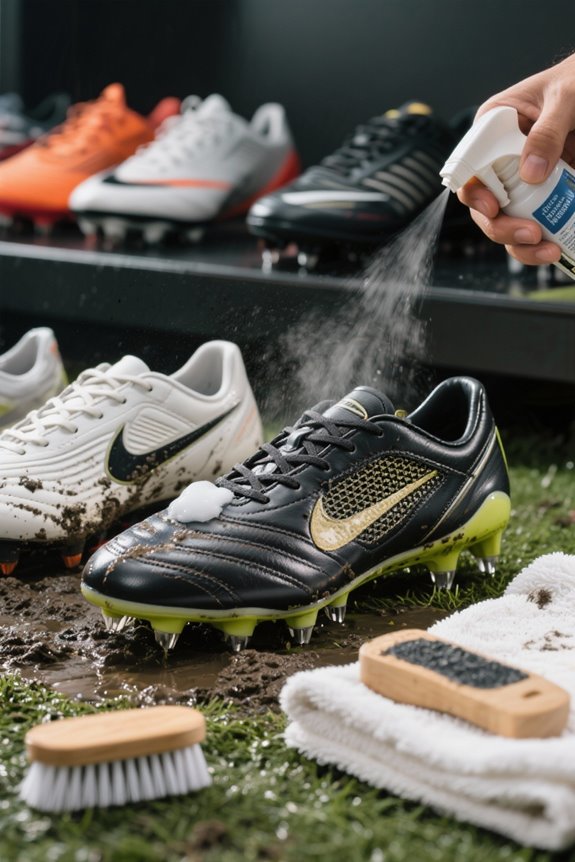
Maintaining cleats in superior condition requires tailored cleaning techniques based on the materials used in their construction. For plastic or rubber cleats, warm water combined with a mild detergent suffices to scrub surfaces using a soft-bristled brush, being careful to remove laces and insoles first. Leather cleats benefit from specialized leather cleaning solutions, with soft brushes used in circular motions to preserve flexibility. Suede techniques involve medium bristle brushes that clean without soaking, and specialized suede cleaners address stubborn stains effectively. Fabric care focuses on spot cleaning with a mild detergent, avoiding machine washing unless carefully contained. Each cleaning method promotes longevity and performance, ensuring that the cleats remain functionally sound and visually appealing throughout their lifespan. Additionally, using high-quality materials in the construction of your cleats can further enhance their durability and ease of maintenance.
Drying Methods to Prevent Damage
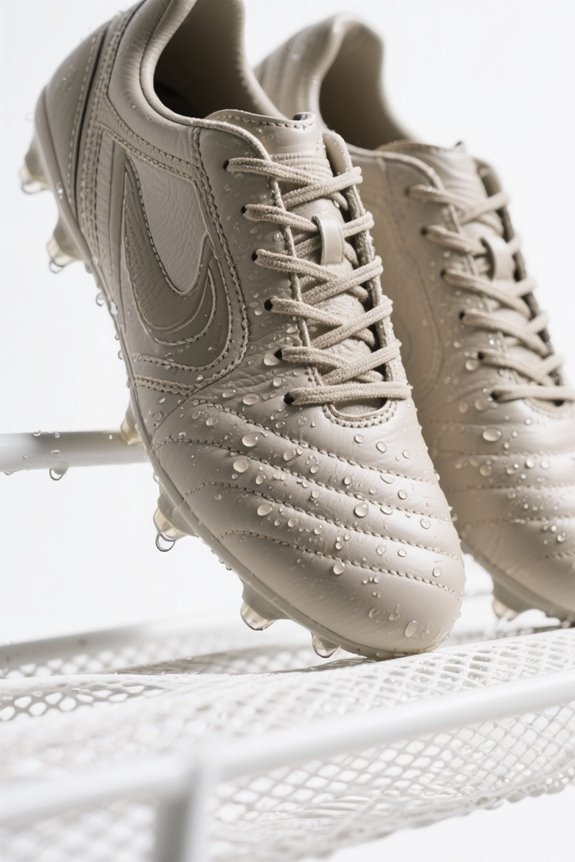
Effective drying methods play a critical role in prolonging the lifespan of cleats and preventing structural damage. Employing proper drying techniques helps maintain footwear integrity by facilitating airflow importance. Placing cleats in a well-ventilated area enhances moisture evaporation without exposure to direct sunlight, which can damage materials like leather. Utilizing absorbent fillers, such as dry newspaper or silica gel packets, draws out moisture effectively. Removing insoles and laces increases internal airflow, further reducing drying time. Avoiding direct heat sources, like radiators or blow dryers, prevents warping and material degradation. For added safety, employing gentle, low-temperature drying racks guarantees minimal damage. Ultimately, adopting these drying methods will greatly improve the durability and performance of cleats over time, especially when considering the impact of material quality on longevity.
Managing Moisture for Longevity
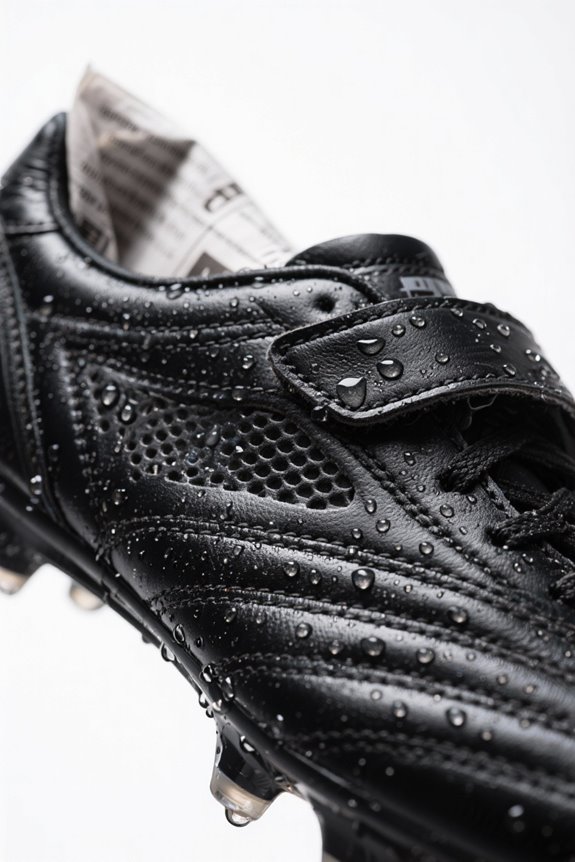
Moisture management greatly influences the longevity of cleats, building on effective drying practices that secure their overall durability. Proper moisture regulation prevents prolonged retention that decreases breathability and weakens materials, like foams and fabrics. Users should remove insoles to facilitate drying, as they often hold considerable moisture. Stuffing cleats with newspaper or dry cloth aids in absorbing remaining moisture while maintaining shape. Additionally, storing cleats in a well-ventilated area after cleaning allows for breathability enhancement, reducing the risk of microbial growth and odors. Avoiding soaking and using mild cleaning solutions prevents damage and guarantees adequate airflow during storage. Furthermore, water-resistant coatings can help repel moisture, contributing to the overall care of your cleats. These practices, combined systematically, greatly prolong the lifespan of cleats and maintain their functionality.
Maintaining Leather Cleats
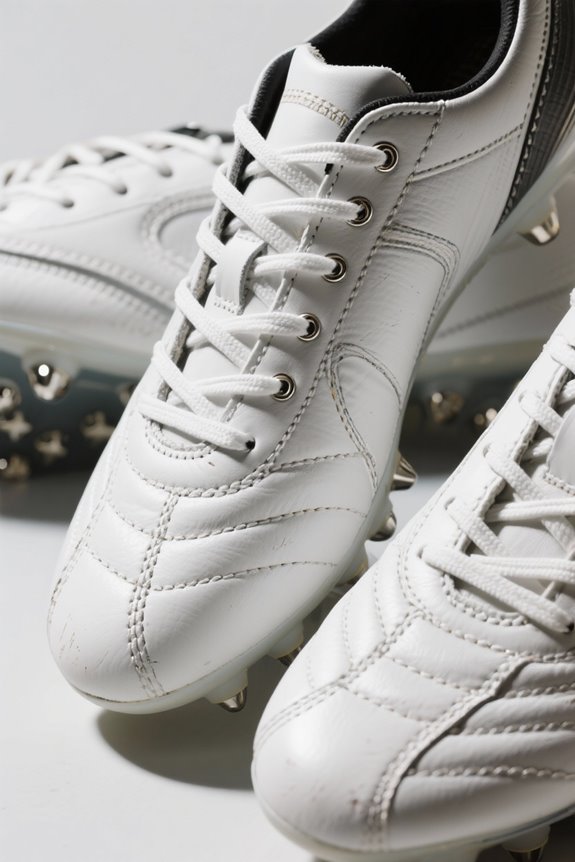
When it comes to leather cleats, proper care is essential to guarantee their performance and longevity. Regular cleaning should involve removing dirt and mud with a soft brush or cloth immediately after use. A mild leather cleaner, free from harsh chemicals, is recommended for maintaining the leather’s integrity. For stubborn stains, users may apply a gentle stain remover. Additionally, employing conditioning techniques is vital; applying a quality leather conditioner monthly helps maintain suppleness and prevents cracking. Users should apply conditioner using a lint-free cloth, ensuring even absorption without over-saturation. Finally, drying leather cleats at room temperature, away from direct sunlight and heat sources, preserves their shape and prevents deterioration, ensuring the cleats remain durable and functional. Investing in waterproofing sprays can also enhance their resilience against adverse conditions, extending their lifespan.
Care for Synthetic Cleats
Synthetic cleats require specific care routines to maintain ideal performance and longevity, distinct from that of leather cleats. To clean synthetic materials, users should remove loose dirt by tapping the cleats together or brushing with a soft-bristled brush. A mixture of mild detergent and warm water is recommended for wiping the uppers. Careful scrubbing can address stains without damaging the material. After cleaning, rinse with a damp cloth to prevent residue buildup. For drying, synthetic cleats should air dry at room temperature. Room ventilation is essential, and direct heat sources must be avoided. To guarantee condition preservation, a water-based conditioner formulated for synthetic materials should be applied, following manufacturer guidelines for best results. Additionally, maintaining material quality significance is crucial for extending the lifespan of synthetic cleats.
Stud and Sole Maintenance
Proper maintenance of studs and soles is vital for guaranteeing cleats perform at their highest level and last longer. After each use, athletes should prioritize stud cleaning to remove mud and debris that can impair traction. Utilizing a small stick or specialized tool aids in effectively clearing out particles lodged between the studs. Additionally, regular sole inspection is significant; individuals should check for cracks, wear, or damage that could compromise stability. Timely replacement of worn studs helps maintain peak performance and reduces injury risks. During maintenance, checking stud tightness with appropriate tools guarantees that loose studs do not impair traction, ultimately enhancing the cleat’s longevity and effectiveness on the field. It’s also important to consider specific stud patterns that can enhance traction based on different ground types, ensuring optimal performance.
Proper Storage Practices
After guaranteeing cleats are well-maintained through diligent cleaning and inspection, proper storage practices become fundamental to protecting these athletic tools. Cleats should be stored in a dry area with relative humidity below 60% to prevent wood swelling and warping. Effective cleat positioning includes aligning the cleats at a 45º angle to enhance load-bearing capacity while using appropriate mounting techniques. Properly securing these cleats involves fasteners such as lag screws, measuring at least 1½ inches in length, to ascertain stability. Additionally, avoiding sunlight exposure and heat sources protects wood integrity, while regular inspections help identify damage. To reduce moisture accumulation, a well-ventilated space is essential, maintaining temperature stability to prolong cleat lifespan and performance. Investing in high-quality materials for your cleats can also significantly enhance their longevity and effectiveness during play.
Additional Maintenance Tips
Maintaining cleats through additional care techniques can substantially enhance their longevity and performance. Regular inspections for wear and damage guarantee that any necessary repairs occur promptly, preserving functionality. After exposure to harsher elements like saltwater or chemicals, immediate cleaning prevents corrosive damage and safeguards materials. For maintaining shape during seasonal storage, using shoe trees or stuffing with newspaper is recommended; this prevents deformation over time. Specialized equipment, such as specific cleaners for leather cleats, can help maintain appearance and durability. Additionally, keeping cleats dry and well-aired after use inhibits bacterial growth and unpleasant odors. Following these steps guarantees cleats remain in prime condition throughout their lifespan, ultimately providing reliable performance in various conditions. Moreover, high-quality materials contribute significantly to the overall durability of your cleats, ensuring they withstand rigorous training sessions.
Recognizing Signs of Wear
Recognizing signs of wear on cleats is essential for ensuring continued performance and safety during activities. Users should regularly check for specific wear indicators, such as worn-out soles or significant scuff marks, as these impair support and traction. An inspection technique that focuses on the studs is important; missing or uneven wear compromises stability and increases injury risk. Additionally, tears or holes in the upper material, particularly where pressure is exerted, directly affect comfort and safety. For cycling cleats, rounded tips hinder engagement with pedals, signaling immediate need for replacement. Regular inspections, ideally monthly, help detect these issues before they lead to performance decline, ensuring athletes can maintain their competitive edge while minimizing the risk of injuries. Incorporating effective shock absorption features in cleats can also enhance comfort and prolong their lifespan.
How to Combat Odor in Cleats
Combatting odor in cleats remains a vital component of their care, as unpleasant smells can hinder performance and comfort during athletic activities. Various odor eliminating techniques enable athletes to maintain freshness. Natural deodorizers options include baking soda, which absorbs odors overnight by neutralizing pH levels and moisture. Bamboo charcoal bags effectively reduce foot odor without masking scents. For temporary relief, placing tea bags inside cleats for 12-24 hours promotes freshness through adsorption. Additionally, essential oils like tea tree increase antibacterial properties that inhibit odor-causing bacteria. Regular ventilation, avoiding moisture accumulation, and maintaining foot hygiene are indispensable practices. Incorporating cedar chips and dryer sheets can also provide effective and longer-lasting odor control, ensuring ideal cleat performance and longevity.
When to Replace Cleats or Studs
Properly evaluating the condition of cleats or studs is essential for ideal athletic performance and safety. Athletes should perform regular visual inspections to identify wear indicators such as worn-out soles and uneven studs. Signs that indicate the need for optimal replacement include holes at pressure points, significant scuffing, and stiffness in the material, all of which can affect support and comfort. Regular athletes typically require replacement every 6 to 12 months, with more frequent use accelerating this timeline. Cleats used on abrasive surfaces may need replacement sooner. Awareness of these factors can prevent injuries caused by compromised traction and support, ensuring that athletes maintain their stability and performance throughout their activities. Prompt replacement also aids in injury prevention.
Manufacturer-Specific Care Recommendations
Caring for athletic cleats requires attention to specific manufacturer guidelines to guarantee longevity and peak performance. Each brand recommends using suitable cleaning agents tailored to its cleat materials. For example, Adidas suggests using a mild laundry detergent mixed with water for cleaning. Under Armour instructs against submerging cleats to protect the structure. Leather cleats, such as those from U90 Soccer, require special care, including conditioning. Dick’s Sporting Goods advises removing insoles and laces before using soft-bristled brushes for cleaning. Likewise, all manufacturers recommend air drying indoors and avoiding direct sunlight or heating sources to prevent damage. Following these tailored guidelines helps maintain cleats effectively, extending their lifespan and ensuring maximum performance.
Frequently Asked Questions
Can I Use a Hairdryer to Speed up Drying My Cleats?
Using a hairdryer on cleats is akin to setting a fragile flower in the sun; while it may seem expedient, the intense heat can warp delicate footwear materials. Safer, controlled drying techniques are recommended for longevity.
How Often Should I Clean My Cleats After Use?
Regular cleat maintenance should involve cleaning after every use, especially when muddy. Cleaning frequency may increase during wet seasons. Thoroughly clean when visibly dirty, ensuring peak performance and longevity of the cleats.
Can I Use Bleach to Clean Stubborn Stains?
While one might envision bleach as the ultimate stain-fighting warrior, it ironically ravages cleat materials instead. Safer cleaning methods, like mild detergents or hydrogen peroxide, preserve performance without threatening the integrity of footwear’s delicate fabrics.
What Causes Cleats to Develop Bad Odors?
Cleats develop bad odors primarily due to bacteria buildup and moisture retention. Sweat creates a damp environment that fosters bacterial growth, while trapped moisture amplifies unpleasant smells and promotes fungal development, complicating odor issues further.
Is It Safe to Store Cleats in Plastic Containers?
Storing cleats in plastic containers can be likened to placing fine wine in a cheap bottle; storage conditions matter. Although airtight, plastic effects like humidity and odors can compromise cleat integrity if not monitored.