As an Amazon Associate, we earn from qualifying purchases. Some links on this site are affiliate links at no extra cost to you. Our recommendations are based on thorough research and editorial judgment.

How Do Different Soccer Ball Sizes Affect Player Development?

Different soccer ball sizes directly influence player development through skill acquisition, physical growth, and psychological effects. Age-appropriate balls enhance coordination, improve technique, and reduce injury risk. For instance, size 3 balls suit players under age 8, while size 5 balls are for those aged 12 and older. Using the correct ball size promotes confidence, facilitates effective practice, and encourages ongoing participation. Understanding these dynamics can greatly improve training effectiveness and overall player enjoyment in soccer activities.
Key Takeaways
- Age-appropriate soccer balls enhance coordination, control, and technical skill development in young players, leading to improved overall performance.
- Smaller balls promote muscle development and minimize injury risks by reducing strain on joints and improving kicking techniques.
- Proper ball sizing fosters confidence, motivation, and engagement in players, encouraging them to participate and develop skills effectively.
- Utilizing size-specific balls allows for optimal skill acquisition during critical developmental years, aligning practice conditions with player capabilities.
- Adjusting ball sizes gradually keeps players challenged without overwhelming them, fostering long-term interest in the sport.
The Importance of Proper Ball Size for Skill Development
The importance of proper ball size in soccer cannot be overstated, as it plays a critical role in the skill development of players, especially at a young age. Using age-appropriate soccer balls enhances hand-eye and foot-eye coordination by aligning ball dynamics with player ability. Smaller, lighter balls, specifically designed for younger players, considerably improve skill accuracy and enable a refined touch and control. The training effectiveness of size-specific balls is paramount, as they provide consistent feedback essential for muscle memory during key developmental periods. Larger or heavier balls can hinder coordination, leading to unnatural movements and reduced technical proficiency. Consequently, adjusting ball size progressively fosters gradual improvement in skills such as dribbling, passing, and shooting, facilitating overall player development. Additionally, high-quality materials used in the construction of youth soccer balls contribute to their durability and performance, ensuring that young players can practice effectively.
Impact of Soccer Ball Sizes on Physical Development
Soccer ball sizes greatly influence the physical development of players across various age groups. Smaller balls enhance muscle development in younger players by requiring greater control and precision during movements. Appropriate ball sizes promote core strength, enabling effective kicking and shooting. These sizes also help develop leg strength, as players engage in powerful kicks without excessive strain. Improved hand-eye coordination from smaller balls fosters better body mechanics, contributing to muscular development. As players mature, larger balls challenge strength and power, facilitating progressive strength training. Additionally, maintaining proper muscle balance is vital for injury prevention, as using correctly sized balls prevents overuse injuries and promotes even muscle development, ensuring healthier and safer play throughout their development. Furthermore, using the correct ball size enhances skill development and performance in young athletes.
Safety Considerations in Choosing the Right Soccer Ball

Choosing the right soccer ball involves consideration of safety factors that greatly impact player health during practice and competition. Selecting age-appropriate ball sizes serves as one of the most effective injury prevention strategies. Smaller, lighter soccer balls minimize strain on young players’ joints, greatly reducing the risk of injuries. Heavy or oversized balls can lead to impacts causing wrist, arm, and facial injuries, especially in players lacking strength and technique. Appropriate ball weight promotes better control and natural body mechanics, decreasing the likelihood of overuse injuries. Additionally, adhering to age-based size regulations enhances safety within safe practice environments, allowing players to practice essential skills without the heightened risk of harm associated with improper equipment. Using padded pants can further enhance safety by providing crucial protection against falls and impacts during play.
Recommended Products

Jugs Field General Football Machine throw accurately from 5 to 60 yards, allowing you to hit receivers in stride, running any route in playbook

Pewee Click here for playcard printable templates

Portable and easy to move
Building Confidence Through Age-Appropriate Equipment

Selecting age-appropriate equipment is essential for building confidence in young soccer players, as using the right-sized ball can noticeably affect their skill development and enjoyment of the game. Smaller balls, such as Size 1 and 2, are easier for younger players to control, promoting effective skill development and enhancing their comfort level. When players engage with lightweight, accessible equipment, they experience less frustration, which encourages participation and practice. In addition, progression to larger balls occurs naturally as players develop their strength and coordination, providing gradual challenges that boost confidence. Overall, the right-sized soccer ball not only aids in technical ability but also fosters a positive learning environment where young athletes feel encouraged and motivated. Moreover, choosing high-quality materials for equipment can further enhance their performance and comfort on the field.
Recommended Products

【Experience Unending Joy】: With dimensions of 226.5 x 206 x 90 inches, the HONEY JOY inflatable water slide offers a realm of exhilaration for your kids. It boasts two lengthy slides that descend into a generous splash zone, plus two exciting water cannons for unforgettable drenching duels. This blow up water park ensures a day filled with amusement, encouraging children to stay refreshed and engaged, perfect for outdoor leisure activities.
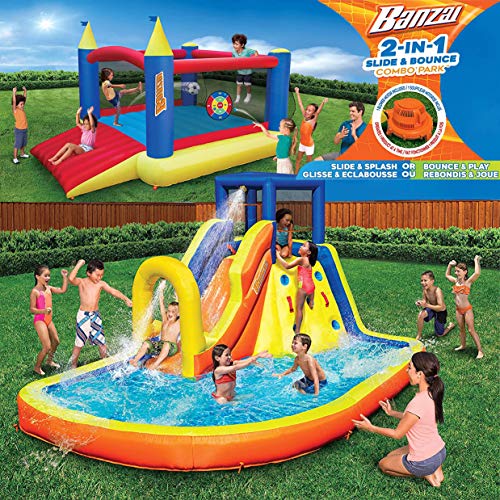
Climb, Slide And Splash Around - Water Park Includes Over Head Sprinkler And Water Spraying Wave.

Psychological Benefits of Playing With Correct Ball Sizes

The use of the appropriate soccer ball size greatly impacts a young player’s psychological development and overall enjoyment of the game. Properly sized balls align with player age and skill levels, thereby increasing player motivation and enhancing ease of handling. Youth players experience heightened engagement levels, reducing frustration linked to failures. More successful touches during practice foster satisfaction, bolstering skill confidence. Smaller balls in small-sided games guarantee consistent involvement, promoting quick mental focus and positive emotional experiences. Additionally, frequent successful interactions with age-appropriate balls enhance self-efficacy, encouraging players to attempt new skills confidently. Ultimately, proper ball sizing cultivates a lasting passion for soccer, supporting long-term commitment to skill development and performance improvement. Moreover, understanding FIFA Quality Pro standards ensures that players are using balls designed for optimal performance and durability.
Enhancing Tactical and Cognitive Skills With Optimal Ball Sizes
Ideal ball sizes greatly enhance young players’ tactical and cognitive skills during soccer training and games. This enhancement occurs through increased ball touches, which promote tactical flexibility and boost decision-making agility. When players train with appropriately sized balls, they engage more in small-sided games that require adaptability, fostering both offensive and defensive tactics. Additionally, correct ball dimensions improve spatial awareness by aiding players in effective field coverage and positioning. This leads to better team coordination and collective tactical formations. As a result, players better anticipate opponents’ moves and maintain possession under pressure. Ultimately, these improvements in tactical and cognitive skills allow young athletes to thrive in varied game scenarios, preparing them for more competitive levels of play. Moreover, using quality materials such as waterproof PU leather can further enhance durability and performance, allowing for consistent practice regardless of weather conditions.
Standardization of Soccer Ball Sizes for Youth Players
Standardized soccer ball sizes for youth players guarantee a consistent developmental framework that aligns with FIFA guidelines. These guidelines specify different ball sizes based on age groups, with Size 5 for players aged 13 and older, Size 4 for ages 8 to 12, and Size 3 for those under 9. Such standardization demonstrates its significance in youth competitions, ensuring uniformity in gameplay and skill assessment. Using appropriately sized balls enhances player mobility, enabling younger athletes to develop essential skills like dribbling and control effectively. Furthermore, these measures contribute to safety by minimizing injury risks, aligning ball weight and bounce with the players’ physical maturity. Consequently, standardization fosters an equitable environment for player growth and performance evaluation. Additionally, the use of FIFA Approved soccer balls ensures that the quality and performance standards are met across different levels of play.
Age-Based Ball Size Guidelines for Player Development
As players progress in age, the specific soccer ball size remarkably influences their development of essential skills. Age-based ball size guidelines have evolved considerably in the sport’s ball size history, aligning with children’s physical growth and motor development needs. For example, a Size 1 ball, measuring 18-20 inches, is designed for children age three and under, supporting basic coordination and touch. Meanwhile, a Size 4 ball, encompassing 25-26 inches, is suited for ages eight to twelve, promoting refined techniques like passing and shooting. Finally, Size 5 balls, used by players aged twelve and older, require advanced skills and strength, ensuring players are prepared for competitive gameplay. This careful consideration of ball sizes assists in optimizing skill acquisition during early development. Additionally, using the right equipment, such as turf soccer shoes, can further enhance a player’s performance on the field.
Recommended Products

24 top-quality Spectrum lite sports balls!

Team Pack of 12 Club DB soccer balls with duffle ball bag and hand pump

Classic Design: Traditional black & white panel design for a timeless look
The Role of Equipment in Skill Acquisition and Retention
Equipment greatly influences the development and retention of soccer skills, as its design and characteristics can facilitate or hinder motor learning. Modified balls, such as futsal balls, enhance skill transfer by promoting better passing accuracy compared to standard soccer balls. Additionally, these smaller balls reduce cognitive load, facilitating passive learning, therefore allowing players to focus on honing their technical abilities. Training with modified equipment improves perceptual attunement, which helps players better understand team dynamics and spatial relationships. Simplified equipment can accelerate the shift towards movement automaticity, an essential component of skill mastery. Variability in practice conditions, including ball size, further encourages adaptability and reinforces retention, ultimately shaping more effective, versatile soccer players prepared for various game scenarios. Furthermore, using low-bounce designs can significantly enhance control and handling, making it easier for players to develop their skills effectively.
Recommended Products
![FORZA Pro Futsal Soccer Balls [Size 3/4] – Low Bounce High Performance Match Ball – Pack of 1/3/12 (Size 3, Pack of 12)](https://m.media-amazon.com/images/I/51LhP2owFfL._SL500_.jpg)
OFFICIAL FUTSAL MATCH SIZE – Conforms to official Futsal match regulations with the Size 4 ball, ensuring top-level gameplay. The Size 3 is designed with the same high-quality specifications, offering an excellent option for training and casual play.

Precision Control: The durable synthetic leather casing is designed to make sure the ball won’t speed away from you while playing on hard or smooth surfaces. It’s perfect for honing your skills on fast surfaces without worrying about scuff marks on the floor. The ball is perfect for developing skills, fast reflexes, alertness, and pinpoint accuracy

The ball is thermally glued with a strong foam lining, which gives the ball a fantastic touch
Performance Variability Based on Soccer Ball Size
Variability in soccer performance is greatly impacted by ball size, which ultimately affects a player’s control, accuracy, and overall skill development. Research shows that younger players, specifically those under 12, experience enhanced performance consistency when using size 3 or 4 balls. Smaller balls facilitate improved dribbling control and shot placement due to their match with players’ physical dimensions. Conversely, using a size 5 ball can hinder precision and skill alteration, as it poses greater challenges for younger athletes. Additionally, larger balls require more force for control, increasing performance variability among age groups. As a result, proper ball sizing is essential for optimizing skill development while minimizing the risk of injury during competitive play, ensuring players can adapt efficiently as they grow. Training with FORZA Elite HD Soccer Mannequins can also enhance young players’ skills by allowing them to practice against realistic defender simulations.
Long-Term Player Engagement and Enjoyment
When players engage with appropriately sized soccer balls, they develop critical skills while enjoying the learning process. Utilizing age-appropriate balls fosters better ball control, leading to improved technique and heightened enjoyment. Engagement strategies that incorporate smaller balls for younger athletes reduce frustration, promoting positive reinforcement during essential developmental milestones. As physical strain decreases with proper sizing, players remain comfortable and interested, encouraging long-term play. Gaining confidence through success with the right equipment stimulates creative play and sustained motivation. Additionally, the progressive change to larger balls supports ongoing player engagement, aligning with their evolving abilities. Consequently, accurate equipment sizing not only enhances enjoyment but also strengthens long-term commitment to soccer by accommodating varying skill levels and body sizes.
Strategies for Implementing Ball Size Changes in Training
Implementing effective strategies for ball size changes in training is essential for maximizing player development and skill acquisition. Coaches should begin with appropriate ball sizes, such as Size 3 for U6 players and Size 5 for older groups. Gradual ball size shifts can be combined with training session adjustments, including modified drill complexity and small-sided games, to maintain player engagement. Additionally, the training pitch size should be adjusted relative to ball size and player numbers to create a match-like environment. Coaches must monitor players’ comfort and performance with each ball size to fine-tune progression. Communicating the rationale behind these changes to players and parents enhances understanding and support, fostering a positive development atmosphere while reducing injury risk.
Recommended Products

The Skill Attack Volleyball Machine elevates to a ball release point of 5 ft, 3 in.
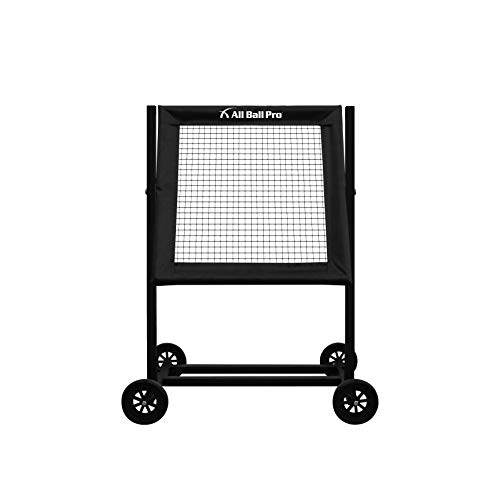
The Stinger X lacrosse rebounder is designed with a spacious 3.5' x 3.5' net frame, providing ample space for training.

【Professional-Grade Size Options】 This heavy-duty baseball and softball batting cage comes in a variety of sizes (20FT/35FT/55FT/70FT, etc), featuring reinforced, wear-resistant and corrosion-resistant cage nets and thickened steel pipes for support. It is suitable for backyard practice, baseball training and softball practice. Ideal for youth leagues, coaches, and serious players seeking a large, durable hitting cage.
Frequently Asked Questions
What Materials Are Used in Different Soccer Ball Sizes?
Despite concerns about performance, various soccer ball sizes utilize materials like polyurethane for softness or PVC for durability. Ball construction features blends and bladders that enhance control, affecting overall material durability across sizes.
How Does Weather Affect the Performance of Various Ball Sizes?
Weather greatly impacts ball handling and performance across various sizes. Rain and humidity alter field conditions, affecting grip and stability, while wind can disrupt flight, especially with larger balls, complicating player control and overall gameplay.
Can Using Different Ball Sizes Impact Team Dynamics?
Like a conductor guiding an orchestra, varying ball sizes refine communication strategies and alter player roles within a team. These adaptations foster enhanced dynamics, enabling players to synchronize actions and respond collectively to evolving game situations.
What Role Does Ball Inflation Play in Performance and Safety?
Ball inflation greatly affects performance and safety. Adhering to inflation standards guarantees ideal ball behavior, reducing impact forces while maintaining control. Proper ball pressure enhances skill development, minimizes injury risks, and fosters effective player training environments.
Are There Specific Brands Recommended for Youth Soccer Balls?
In the domain of youth equipment, brands like Adidas, Nike, and Select emerge as champions. Brand comparisons reveal that Adidas Capitano’s durability and Fox’s lightweight design foster essential skills for young players, enhancing overall development.


