As an Amazon Associate, we earn from qualifying purchases. Some links on this site are affiliate links at no extra cost to you. Our recommendations are based on thorough research and editorial judgment.

Why Do Soccer Ball Prices Vary So Much Between Different Tiers?

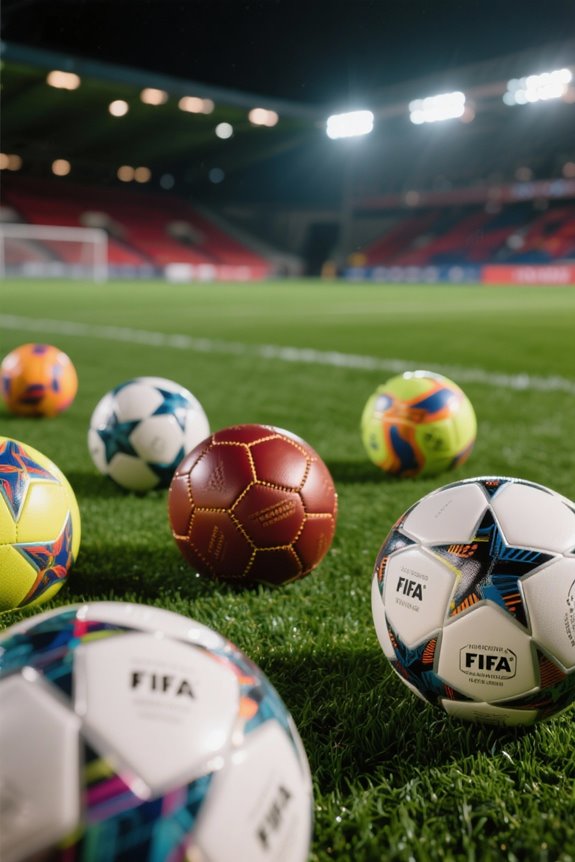
Soccer ball prices vary greatly between tiers due to differences in material composition, production techniques, and certification standards. High-end balls typically use softer polyurethane, while lower-tier options often feature durable polyvinyl chloride. Advanced construction methods, like thermal bonding and hand-stitching, enhance durability and playability. FIFA certifications, including Quality Pro and Quality, mandate specific design criteria, impacting costs. Brand reputation and regional market dynamics also influence pricing strategies, affecting consumer choices. More insights await on these factors.
Key Takeaways
- Material quality varies among tiers, with match-grade balls using soft, water-resistant PU and lower-tier balls often made from firmer PVC.
- Construction techniques impact durability and performance; higher-tier balls utilize advanced bonding and stitching methods for longevity.
- Certification standards differ; premium balls must meet FIFA’s rigorous requirements, leading to higher production costs and prices.
- Brand reputation influences pricing; well-known brands can charge more due to consumer trust and marketing efforts.
- External factors like technology advancements and seasonal demand fluctuations also affect pricing across different soccer ball tiers.
Material Composition and Quality
When considering soccer ball prices, material composition and quality play essential roles in determining the overall value and performance of the ball. Common material types for soccer balls include polyurethane (PU) and polyvinyl chloride (PVC). PU serves as the highest quality option, providing softness, water resistance, and shape retention, making it ideal for match-grade balls. In contrast, PVC is more affordable and durable but offers a firmer feel, often found in lower-tier balls. Bladder choices also impact playability; latex bladders provide better bounce and responsiveness, whereas butyl bladders excel in air retention but lack sensitivity. Ultimately, the quality and type of materials used influence long-term performance, making them critical to understanding soccer ball pricing. Additionally, factors like durability and construction significantly affect the longevity and performance of soccer balls.
Construction Techniques and Durability
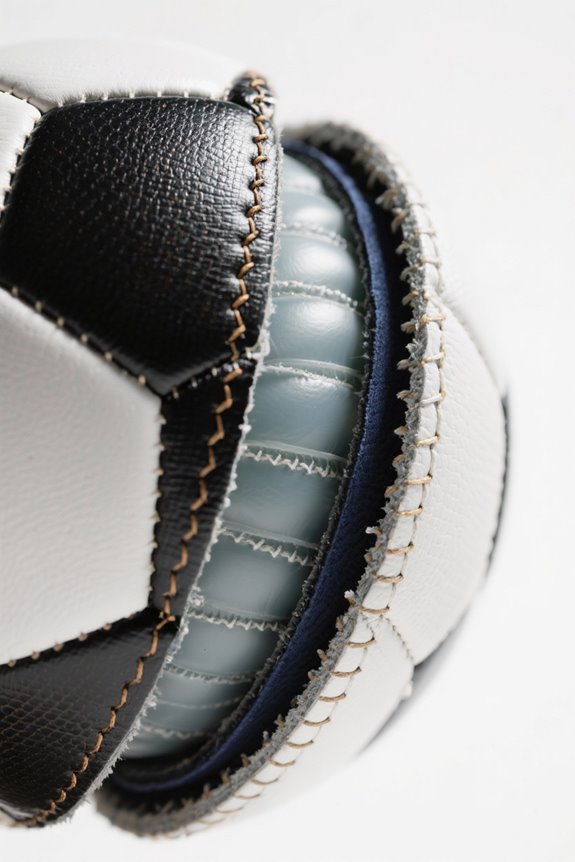
Various construction techniques greatly impact the durability of soccer balls, influencing their performance and longevity. Thermal bonding greatly enhances durability factors by fusing ball panels with heat and pressure, minimizing stitching and improving water resistance. Reinforced seams, achieved through adhesives or targeted stitching, provide additional strength during play, allowing the ball to withstand repetitive impacts. Professional-grade balls often feature multiple internal lining layers, improving shape retention and bounce consistency, while lower-tier balls have fewer layers, resulting in reduced durability. The quality of stitching also plays a critical role; hand-stitched designs maintain uniform tension, whereas machine stitching may lead to quicker wear. Ultimately, advanced construction methods directly contribute to a soccer ball’s overall durability and reliability during use. Additionally, thermal bonded designs offer better flight performance and durability, making them preferred in leagues like FIFA and MLS.
Design Specifications and Certification
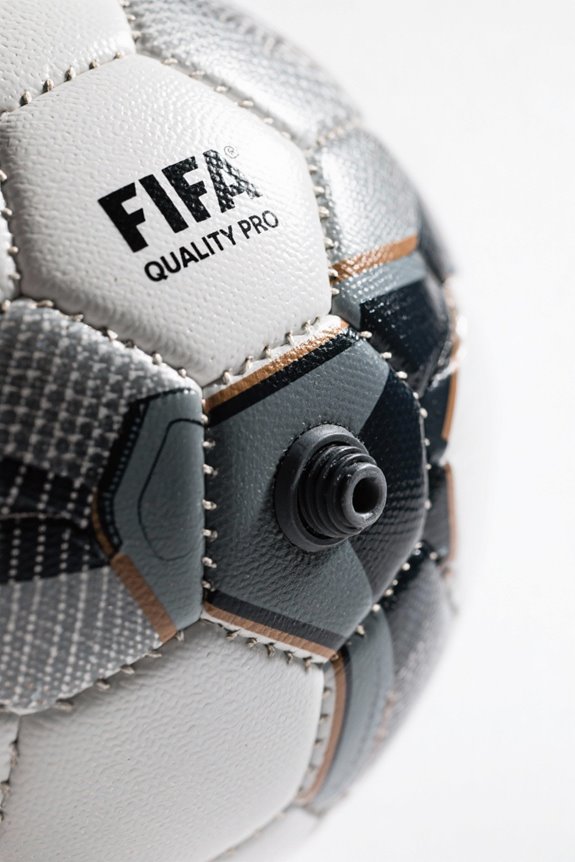
The design specifications and certification of soccer balls are critical factors that guarantee peak performance and safety during play. FIFA establishes three main certification standards: FIFA Quality Pro, FIFA Quality, and FIFA Basic. Each standard corresponds to specific design specifications, ensuring that balls meet rigorous criteria for safety, durability, and functionality. For instance, the FIFA Quality Pro label emphasizes exceptional performance, requiring precise measurements like a circumference of 27–28 inches and a weight of 410–450 grams. In addition, thorough testing, performed at accredited labs, assesses parameters such as roundness, bounce, and water absorption. Manufacturers follow stringent compliance protocols, submitting samples and documentation, which ultimately influences the market price, as higher certification standards lead to increased production costs and enhanced materials. Furthermore, the use of high-quality materials significantly impacts the ball’s durability and performance on the field.
Intended Use and Performance Requirements
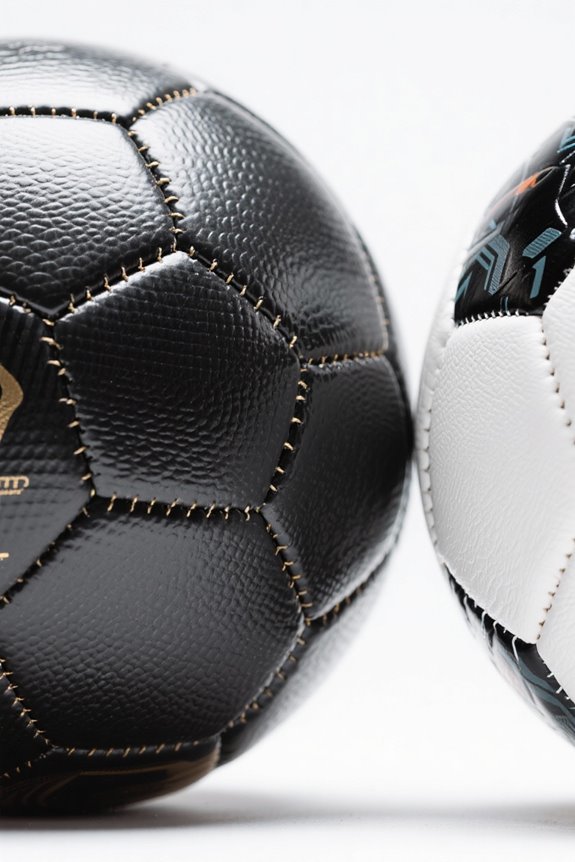
Recognizing the intended use of soccer balls considerably influences performance requirements, which can vary based on the level of play. Competitive matches require soccer balls that adhere to precise specifications, including a weight of 410–450 grams and a circumference of 68–70 cm. These parameters help guarantee consistent performance under intense conditions. In contrast, youth and recreational balls are often lighter and smaller, supporting skill development and easier handling. The usage frequency also impacts durability; lower-tier balls prioritize longevity over advanced performance. Higher-tier balls incorporate premium materials, which enhance factors such as balance and flight stability, meeting rigorous performance expectations essential for match play. Consequently, the engineering and materials of soccer balls are tailored to their intended use. Additionally, many high-quality balls feature advanced materials for durability, ensuring they withstand the rigors of competitive play.
Brand and Marketing Influence
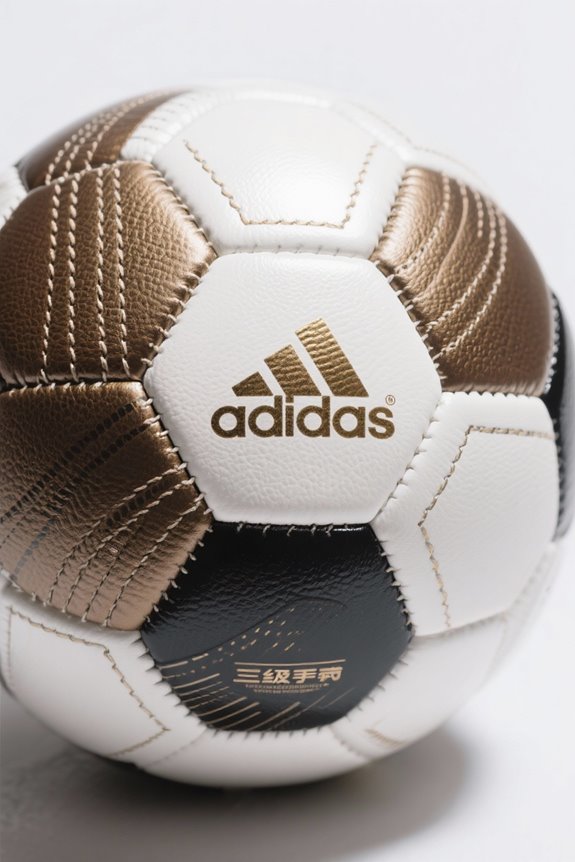
Pricing of soccer balls is greatly influenced by brand reputation and marketing strategies. Well-known brands like Adidas, Nike, and Puma leverage established reputations to charge premium prices, often justified by perceived quality and brand loyalty. These companies invest heavily in marketing campaigns and sponsorship deals, creating demand spikes for official match balls during high-profile events. Retail prices reflect not only production costs but also the substantial marketing expenditures involved, such as athlete endorsements and promotional activities. Customized balls aimed at specific teams or leagues further differentiate offerings, allowing brands to command higher prices. As a result, consumers often prefer branded products, reinforcing their willingness to pay more despite minimal differences in performance between various tiers of soccer balls. Additionally, performance features like seamless designs and synthetic materials contribute to the perceived value of higher-priced options.
Size, Weight, and Player Age Considerations
Understanding the appropriate size and weight of soccer balls is essential for promoting player development and safety. Size standards dictate the suitable ball dimensions based on player age, with Size 3 balls for ages 5-8 having a circumference of 60-62 cm and weighing 300-320 g. For players aged 8-12, Size 4 balls measure 63.5-66 cm in circumference and weigh 350-390 g. Players aged 12 and older, including adults, use Size 5 balls, which range from 68-70 cm in circumference and weigh 410-450 g. Using age-appropriate sizes not only enhances skill development but also minimizes the risk of injury by ensuring that balls align with the players’ physical abilities and coordination levels. This progressive sizing is vital for effective training and enjoyment. Additionally, the FIFA Approved soccer balls meet specific quality standards, further ensuring appropriate performance for different age groups.
The Role of Manufacturing Processes
Manufacturing processes play an essential role in determining the quality and performance of soccer balls. The materials used, such as polyurethane or polyvinyl chloride for the outer casing, affect durability and cost. Higher-tier balls feature multiple lining layers for cushioning, whereas lower-tier options often use fewer layers. Labor costs greatly influence production; hand-stitched balls require skilled labor and more time, increasing overall expenses. Machine stitching offers faster manufacturing efficiency but can sacrifice precision. Techniques like thermo bonding enhance water resistance and maintain shape, but they also raise production costs. Factories focusing on high-quality balls implement stricter quality control, while lower-tier production relies on faster lines, resulting in heightened defect rates. The choice of manufacturing processes ultimately impacts price points and performance. For instance, high-quality PVC covers are crucial for ensuring durability and performance, further justifying their higher price.
Impact of Technological Advances
As advances in technology continue to influence various industries, the evolution of soccer balls showcases significant improvements in materials and performance characteristics. Modern balls utilize advanced synthetic materials like textured polyurethane, enhancing grip and speed, while aerodynamic refinements decrease panel numbers from the traditional 32 to as few as 14. Sensor integration in smart technology allows embedded sensors to track metrics such as speed and spin rate, providing real-time data essential for player training. This technology not only aids in skill refinement but also offers valuable feedback for coaching. Additionally, the integration of eco-friendly materials reflects a growing industry commitment to sustainability. Consequently, these innovations contribute to varying pricing tiers based on the level of technology and materials used in production. The correct ball size is crucial for performance and skill development, further influencing price differences among soccer balls.
Seasonal Trends and Market Demand
Seasonal trends greatly influence soccer ball demand, primarily driven by the timing of various league seasons and tournaments. Demand fluctuations occur during key periods, such as the initiation of Major League Soccer (MLS) and English Premier League (EPL) seasons, with purchases increasing by up to 46% at these events. Youth and amateur league schedules further exacerbate seasonal impacts, coinciding with school terms. Off-season months experience sharp declines in demand, particularly in regions affected by severe weather. Retailers often adjust prices based on these anticipated demand cycles, leading to temporary price volatility. In addition, major international tournaments, like the FIFA World Cup, create spikes in market demand, prompting additional interest in both official and replica soccer balls. The popularity of training soccer balls increases during these times as players seek to improve their skills for competitive play.
Regional Pricing Differences
How do regional variations affect the pricing of soccer balls across different markets? Regional income markedly influences consumer trends, shaping how much buyers are willing to pay. Countries with higher incomes may experience premium pricing due to brand prestige and demand for high-quality products. Conversely, emerging markets often see lower prices to attract buyers and build brand loyalty. Manufacturing costs additionally vary by region; countries with lower labor costs, like China, produce cheaper soccer balls. Shipping expenses, influenced by logistics infrastructure and tariffs, further impact final pricing. Companies strategically adjust prices based on local market conditions, taking into account consumer preferences which often dictate demand for either high-end or more affordable soccer balls in differing regions. Additionally, material quality plays a crucial role in determining pricing, as higher-grade materials often command higher prices in the market.
The Influence of Sponsorship and Endorsements
Sponsorship and endorsements greatly influence the pricing structure of soccer balls, as companies leverage brand partnerships to enhance visibility and perceived value in the market. The dynamics of sponsorship drive higher prices by allowing brands to appear prominently through logo placements, particularly with major clubs that attract larger audiences. Premium sponsorships often range from $5,000 to $50,000, and they can include various marketing assets, raising associated product costs. Endorsement value also plays a critical role; multi-year deals with star athletes can reach tens of millions and are reflected in the pricing of endorsed soccer balls. Consequently, enhanced brand awareness and customer loyalty justify the increased retail prices of these products, with higher tiers benefiting more from sponsorship capitalization.
Pricing Strategies Among Different Brands
While various brands adopt distinct pricing strategies, their approaches are largely determined by target consumer segments and product features. Premium brands often implement dynamic pricing, reflecting their focus on high-quality materials and advanced technologies. This strategy allows them to command higher prices for elite models, such as official match balls. In contrast, economy brands prioritize affordability, utilizing basic materials and simpler constructions to appeal to budget-conscious consumers. Additionally, many brands use psychological pricing, positioning products at $39 instead of $40 to attract buyers without undermining premium offerings. Mid-tier brands often adopt elements from premium lines, maintaining a balance between price and quality, which enables them to capture a broader recreational player market.
Understanding the Value of Premium Features
What truly distinguishes premium soccer balls from their lower-tier counterparts is the integration of advanced materials and construction techniques. Premium benefits arise from the use of high-quality synthetic leather or polyurethane, offering improved control and durability compared to PVC materials. Techniques such as micro-stitching or thermal bonding enhance strength, while multi-panel designs guarantee precise flight and consistent bounce. Consumer perceptions heavily weigh the visible advancements in texture and construction, contributing to a ball’s performance in diverse conditions. These elements, including optimized weight specifications, guarantee that professional-grade balls maintain their quality and shape over time. Ultimately, premium soccer balls justify their higher prices through superior materials, design, and durability, appealing to players seeking enhanced performance in their game.
Frequently Asked Questions
How Do Player Personal Preferences Affect Soccer Ball Prices?
Player personal preferences greatly impact soccer ball prices through brand loyalty and specific design features tailored to comfort, performance, and play style. Such preferences create a demand for varied pricing across different ball categories and levels.
Can Amateur Leagues Influence Soccer Ball Pricing Trends?
Amateur leagues dance through the soccer ball market, their influence rippling across pricing strategies. As they flourish, brands adapt, crafting affordable options that guarantee durability, echoing the needs of grassroots players while shaping overall trends.
What Role Do Online Reviews Play in Soccer Ball Pricing?
Online ratings and consumer feedback greatly influence soccer ball pricing by shaping perceptions of quality. Positive reviews can justify higher prices, while negative comments reinforce lower price points, impacting demand and consumer choice accordingly.
How Does Seasonal Demand Change Soccer Ball Prices?
During peak seasons, prices can spike by up to 30%, driven by increased demand from parents and teams. Seasonal promotions are rare, resulting in significant market fluctuations that influence soccer ball pricing throughout the year.
Are There Differences in Soccer Ball Preferences Across Different Cultures?
Soccer ball preferences vary considerably across cultures, reflecting cultural significance and regional styles. For instance, South American players favor lighter, skill-oriented balls, while African regions prioritize durable options, influenced by economic factors and local playing conditions.


