As an Amazon Associate, we earn from qualifying purchases. Some links on this site are affiliate links at no extra cost to you. Our recommendations are based on thorough research and editorial judgment.


How To Properly Maintain And Store Your Soccer Balls?

To properly maintain and store soccer balls, individuals should clean them by wiping with a damp cloth after use, applying mild soap for deeper cleaning, and ensuring thorough rinsing. Inflation should adhere to recommended levels, with size 5 balls at 0.6-0.9 bar (8.7-13.1 psi). Store balls in a cool, dry place between 50°F to 77°F, with air circulation to prevent moisture. Regular inspections for damage and maintaining proper air pressure are essential for longevity and performance. Further insights await.
Key Takeaways
- Clean soccer balls regularly with a damp cloth or mild soap solution to prevent dirt accumulation and surface deterioration.
- Store balls in a cool, dry place with a consistent temperature between 50°F to 77°F to avoid warping or cracking.
- Use nylon duffel bags or specialized racks for storage to maintain shape and prevent deformation of the balls.
- Conduct routine inspections for damage, checking for surface imperfections, air retention, and overall ball shape.
- Inflate balls to the manufacturer’s recommended PSI and regularly check air pressure to ensure optimal performance during play.
Essential Cleaning Techniques for Soccer Balls
Maintaining the cleanliness of soccer balls is vital for their longevity and performance. Regular cleaning routines, featuring necessary scrubbing techniques, involve wiping down the ball after each game or practice with a damp cloth or disinfectant wipe. This simple action helps eliminate dirt and bacteria, enhancing the ball’s surface feel and appearance. For deeper cleaning, a mild soap solution can effectively aid stain removal. Gentle circular motions with a soft sponge will guarantee even cleaning without damaging the ball. Rinsing the ball thoroughly afterward is essential to remove all soap residue. Employing a melamine foam sponge for tough stains requires caution, as excessive abrasive scrubbing might harm the ball’s outer surface. Finally, confirm adequate drying in a cool, well-ventilated area. Additionally, using thermal bonded soccer balls can enhance durability and reduce maintenance needs, making cleaning even more essential for optimal performance.
Proper Ways to Inflate Your Soccer Ball
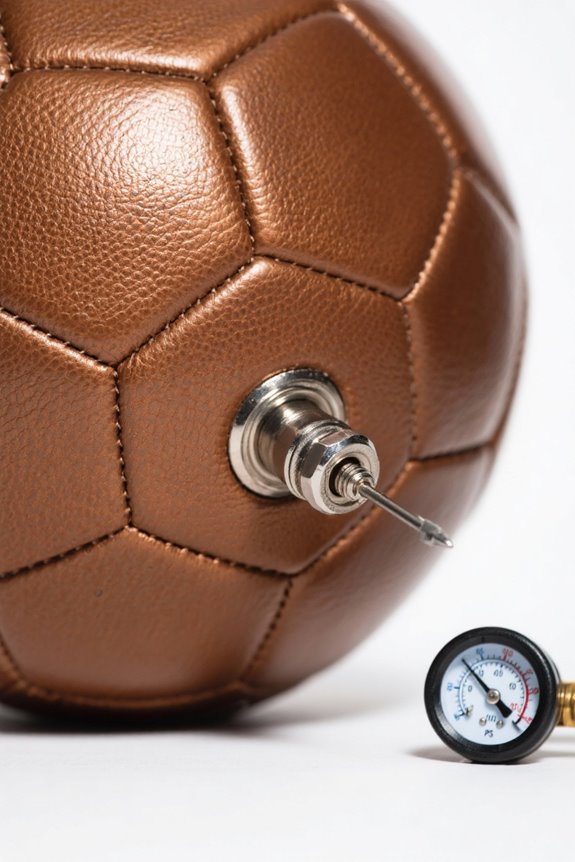
Inflating a soccer ball properly is essential for ideal performance, as the correct pressure directly impacts its gameplay efficiency. Different ball sizes have specific pressure ranges; for instance, size 3 requires 0.4–0.6 bar (5.8–8.7 psi), while size 5 balls need 0.6–0.9 bar (8.7–13.1 psi). Employ appropriate inflation techniques by using a reliable pressure gauge, either manual or digital. Carefully insert the pump needle into the valve to avoid damage, and inflate the ball incrementally, checking the pressure regularly. Adjust the inflation based on environmental factors such as temperature and playing surface type. Regular checks before matches help maintain peak inflation levels, ensuring the ball operates efficiently and effectively during gameplay. Additionally, utilizing an electric pump with sensitive pressure sensors can help prevent over-inflation and ensure accurate pressure levels.
Importance of Pressure Management
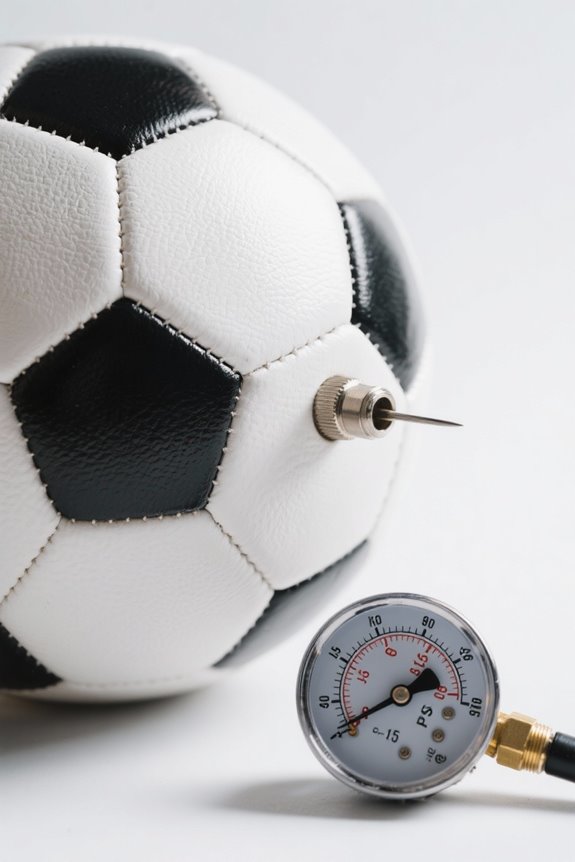
Effective pressure management in soccer is essential for guaranteeing ideal ball performance and player safety. Proper ball inflation affects predictable bounce and flight paths, which are critical for player control. The recommended pressure ranges between 0.6 and 1.1 atmospheres (8.5 to 15.6 psi) depending on ball type and playing conditions. Lower ball pressure improves handling, while over-inflated balls can negatively impact trajectory and game experience. Moreover, safety regulations from IFAB suggest that optimal pressure can reduce head injury risks during headers, as lower pressures decrease impact force. Regular pressure checks are necessary, as environmental factors can cause fluctuations, and using certified balls guarantees compliance with safety guidelines, contributing to a safer playing environment for all athletes. Additionally, Proper ball inflation can enhance durability, ensuring that high-quality soccer balls, like the adidas UCL League Ball, maintain their performance over time.
Ideal Storage Environments for Soccer Balls
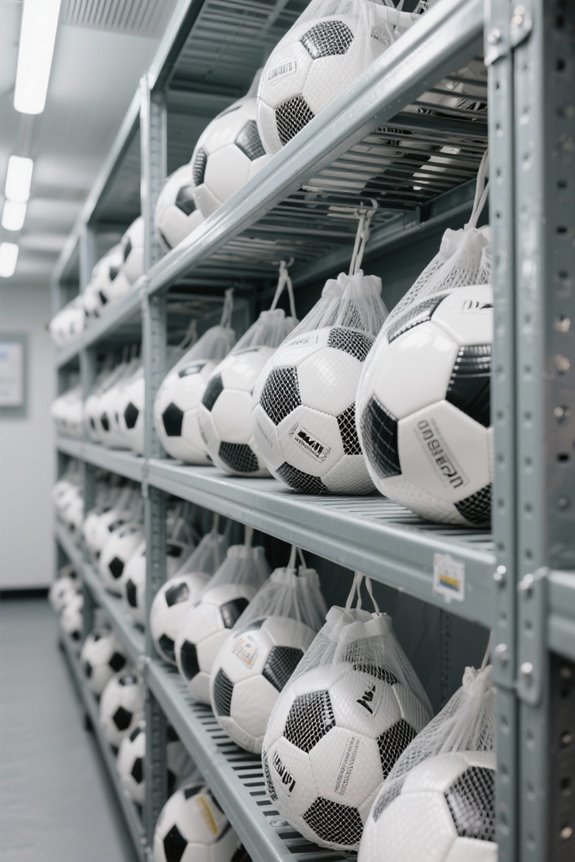
Soccer balls require specific storage conditions to guarantee their longevity and performance. An ideal environment should maintain temperature consistency, avoiding extremes that can warp the ball or cause cracking. It is recommended to store soccer balls in a cool, dry place, with temperatures around room temperature. Humidity control is essential, as damp areas may lead to mold and material degradation; hence, basements or garages should be avoided. Proper air circulation aids in reducing moisture accumulation. Ideally, a climate-controlled space can offer optimal protection. Regular inspections are beneficial, ensuring no damage occurs during storage. By adhering to these guidelines, the lifespan and quality of soccer balls can be markedly extended, maintaining their effectiveness for play. Additionally, using a soccer ball pump can help maintain the proper inflation levels, which is crucial for optimal performance and durability.
Best Practices for Handling Soccer Balls
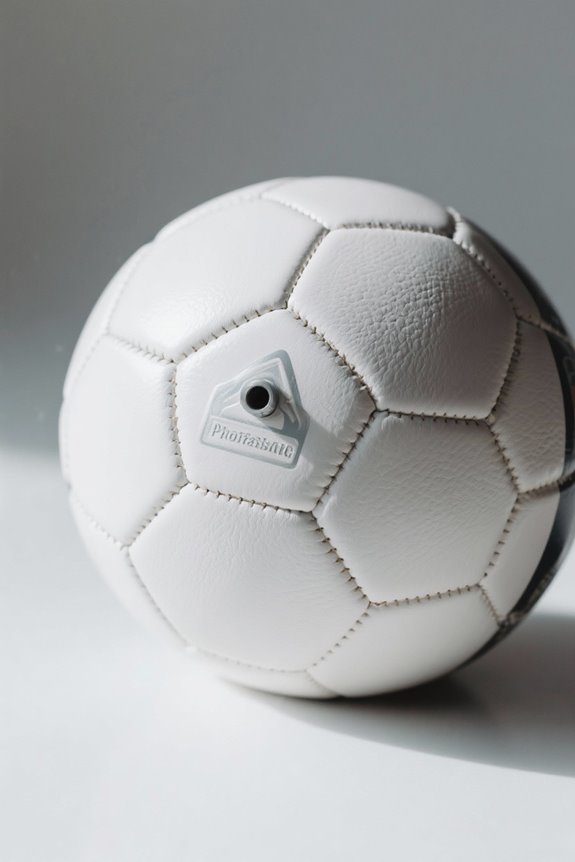
Proper handling of soccer balls is essential for their performance and durability during play. Effective ball handling techniques begin with keeping the ball close through small, frequent touches, which prevent opponents from intercepting. Players benefit from using various parts of the foot—like the inside, outside, and laces—to control the ball’s direction, speed, and stopping ability. A stable posture is vital; players should keep their toes pointed down and ankles locked while dribbling. Additionally, perfecting first touch optimization can enhance ball control. Practicing adaptability by receiving passes from varying angles promotes smoother gameplay. Finally, utilizing both feet during dynamic movements raises unpredictability, thereby enhancing overall control and agility on the field. Furthermore, maintaining a proper fit for your gear, such as compression shirts, can significantly improve your performance and comfort while playing.
Drying Techniques After Cleaning or Play
After engaging in play or cleaning, effective drying techniques for soccer balls are essential to maintain their longevity and performance. Employing proper drying methods can greatly aid in moisture reduction. To start, pat the ball with a clean, soft towel to remove excess water immediately. Then, place the ball in a well-ventilated area, avoiding direct sunlight to prevent warping or discoloration. It is advisable to rotate the ball periodically for even drying. If the ball has absorbed considerable moisture, slightly deflating it assists in internal drying without damaging the bladder. Expect normal drying times of three to four days, and always allow 24 hours for inflation before playing again to guarantee optimal shape and performance. Maintaining proper air pressure is crucial, as recommended pressure is between 8.5 and 15.6 PSI to prevent damage and ensure ideal performance.
Routine Maintenance Checks for Longevity
Maintaining soccer balls extends beyond drying techniques; it involves systematic routine checks to confirm durability and peak performance. Routine inspection plays a vital role in identifying surface damage, such as cuts, abrasions, and peeling material, before and after each use. Regular examination of stitching and bonding seams helps detect any loosening or damage that could lead to premature failure. Maintenance frequency should include evaluating the ball’s shape to identify deformation that may indicate internal structural issues. Additionally, monitoring air pressure with a gauge guarantees that the ball remains within the manufacturer’s recommended PSI. Proper cleaning after play prevents dirt accumulation, which can lead to surface deterioration and performance decline. By adhering to these checks, users can extend the life and functionality of their soccer balls. Incorporating regular maintenance of pressure gauges ensures that your soccer ball is always at the optimal inflation for top performance.
Protective Storage Practices to Preserve Quality
To preserve the quality of soccer balls, adopting effective protective storage practices is crucial. Utilizing mesh bags promotes mesh ventilation, which allows air circulation and reduces moisture buildup. This measure not only helps maintain the material integrity of the soccer balls but also prevents mold growth. Additionally, nylon duffel bags enhance nylon longevity, providing durable protection while facilitating transport. To keep soccer balls organized, specialized racks or hanging systems maintain their shape and prevent deformation. Proper storage conditions should include cool, dry areas, avoiding direct sunlight exposure, which can lead to fading and cracking. Ultimately, implementing these storage measures guarantees that soccer balls remain in prime condition and perform at their best throughout their intended use. Using specialized racks can help with organization and ensure the longevity of your equipment.
Managing Environmental Factors
Effective management of environmental factors greatly influences the longevity and performance of soccer balls. To maintain their shape and structural integrity, it is vital to store soccer balls in areas with minimal temperature fluctuations, ideally between 50°F and 77°F (10°C to 25°C). Extreme heat can soften materials, while extreme cold can make them brittle. Additionally, moisture control is essential; balls should be stored in cool, dry spaces to prevent mold and mildew, which thrive in damp conditions. After exposure to wet environments, soccer balls must be thoroughly dried in shaded, well-ventilated areas to mitigate moisture damage. Regularly checking for excess humidity and ensuring proper airflow in storage areas can greatly enhance the soccer balls’ durability and performance. Proper care and regular inspection of the balls can significantly extend their lifespan and maintain optimal performance.
Recognizing Signs of Wear and Tear
Recognizing signs of wear and tear on soccer balls is essential for ensuring peak performance and safety during play. Observers should look for surface imperfections, such as cracks, cuts, or tears, which indicate reduced durability. Scuffs and scratches may alter the ball’s aerodynamic behavior, while loose stitching reflects a weakening structural integrity. Additionally, loss of roundness affects the ball’s bounce and rolling consistency, directly impacting game quality. Indicators like air retention issues—frequent air pressure loss or deformation—signal potential bladder leaks. Visual cues, including discoloration and unusual surface textures, also suggest material degradation. Regular inspections for these signs allow players and coaches to make informed decisions regarding ball maintenance or replacement, helping to enhance overall gameplay. Keeping track of material quality standards can further guide players in selecting durable balls for consistent performance.
Recommended Cleaning Products
Maintaining soccer balls in ideal condition requires regular cleaning, which prevents both dirt buildup and material degradation. Recommended cleaning techniques include using mild dish soap mixed with warm water, ensuring that harsh chemicals are avoided. Wilson LABS highlights this method for preserving leather and composite materials. For sanitization, sports-specific disinfectant sprays or wipes, such as those from Matguard, can effectively eliminate germs without harming the ball’s surface. When tackling stubborn stains, caution should be applied with magic eraser sponges while ensuring non-abrasive tools are used. Eco-friendly sports wash detergents can also aid in cleaning while being safe for the materials. Adopting these product recommendations will enhance ball longevity and performance while ensuring hygiene during use.
Tips for Long-Term Ball Storage
Proper storage techniques are essential for maintaining the longevity and performance of soccer balls. For long-term storage, it is advisable to deflate balls slightly to reduce pressure on seams and prevent deformation. Store balls in a climate-controlled environment with stable temperature control, avoiding areas with significant temperature fluctuations, such as basements or garages. Thoroughly clean and dry the balls before storage to eliminate moisture that could lead to mold. Utilize breathable bags or mesh containers for improved air circulation. Periodically inspect the balls for air pressure and overall condition, reinflating lightly as necessary. Following these storing techniques will safeguard the balls from damage and guarantee peak quality for future play.
Preventing Damage From Improper Use
Improper use of soccer balls can substantially reduce their lifespan and hinder performance abilities. Excessive force against hard surfaces like walls or concrete creates surface damage and deforms the ball’s shape, leading to irregular bounces that negatively affect play. Utilizing soccer balls on inappropriate surfaces, such as asphalt or gravel, causes abrasions and accelerates panel peeling. To prevent this, players should use designated playing fields and avoid surfaces that can harm the ball’s integrity. Prolonged exposure to extreme weather conditions or direct sunlight can also deteriorate the ball’s outer coating and internal structure. By adhering to these guidelines, improper usage can be minimized, preserving functionality, enhancing performance, and extending the life of soccer balls.
Seasonal Care for Soccer Balls
Soccer balls require specific care throughout the seasons to guarantee their longevity and peak performance. Seasonal inspections should be performed after each playing period, where players clean the ball with a damp cloth and mild soap, inspecting for seam wear or cracks. Weather considerations are vital; players must avoid harsh cleaning methods that could damage materials and instead make sure the ball dries fully in a ventilated area. It is important to maintain proper inflation within the recommended PSI, especially after periods of inactivity. Additionally, storing balls in cool, dry areas away from sunlight prevents UV damage, while rotating stored balls helps maintain their shape. These practices collectively enhance the soccer ball’s durability and functionality over its lifespan.
Enhancing Ball Performance Through Maintenance
Maintaining a soccer ball not only prolongs its lifespan but also enhances its performance on the field. Regularly cleaning the ball is crucial; using a damp cloth or disinfectant wipes helps remove dirt and preserve its surface integrity. Maintenance tips for inflation indicate that players should check air pressure frequently, ideally within the recommended PSI printed near the valve. Over-inflation can damage the ball, while under-inflation affects bounce and responsiveness. To prevent deformation, avoid kicking the ball against hard surfaces and guarantee proper storage in a cool, dry place. Implementing these maintenance strategies will appreciably improve ball performance, enhancing the overall playing experience while extending the life span of equipment. Regular care is critical for peak soccer ball performance.
Frequently Asked Questions
How Often Should I Clean My Soccer Ball?
Cleaning frequency for a soccer ball should typically occur after each game or practice. Regular maintenance tips suggest using a damp cloth and mild soap to guarantee longevity and performance while preventing dirt buildup and material degradation.
Can I Use My Soccer Ball in Water?
Using a soccer ball in water is permissible, especially if designed for water exposure. However, proper ball maintenance is essential to prevent weight gain and performance issues caused by moisture absorption and seam degradation.
What Should I Do if My Ball Gets Punctured?
“An ounce of prevention is worth a pound of cure.” For punctured balls, employ patching techniques like sealant injection or contact cement. Regularly monitor repaired areas to guarantee effective ball repair and longevity.
How Can I Prevent My Ball From Getting Mold?
To prevent mold, employ mold prevention techniques such as cleaning the ball after use, storing it in a cool, dry place, and using proper storage methods like breathable bags to minimize moisture exposure and guarantee airflow.
Is It Safe to Use My Soccer Ball on Artificial Turf?
Using a soccer ball on artificial turf is generally safe, but the surface durability may diminish faster than on grass. Field performance can also be affected due to potential wear and loss of responsiveness over time.


