As an Amazon Associate, we earn from qualifying purchases. Some links on this site are affiliate links at no extra cost to you. Our recommendations are based on thorough research and editorial judgment.

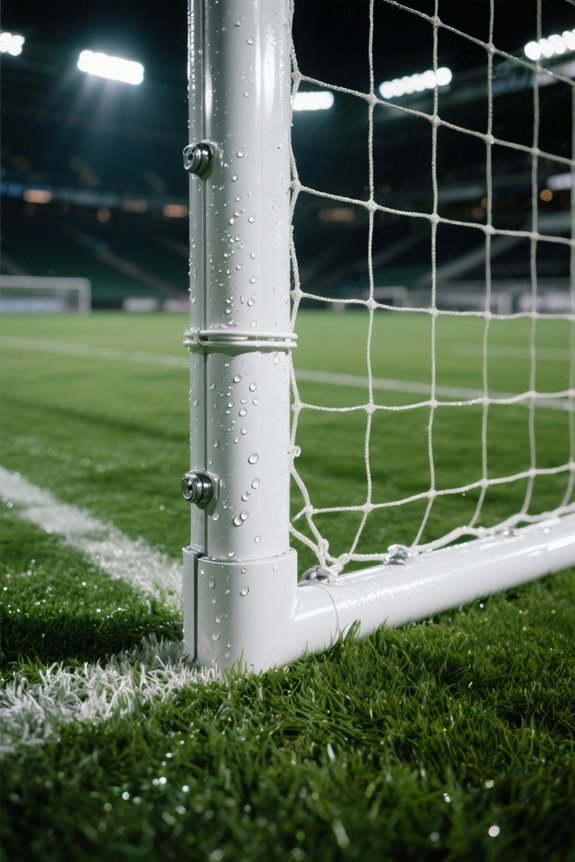
How Do Weather Resistant Coatings Protect Goal Frames?

Weather-resistant coatings protect goal frames by creating a barrier against corrosion, UV exposure, and physical damage. These coatings inhibit electrochemical reactions that cause rust while actively absorbing harmful UV rays, minimizing degradation. Additionally, advanced formulations enhance impact resistance and durability, promoting long-lasting performance in outdoor environments. Effective surface preparation maximizes adhesion, ensuring the coatings remain intact. Regular maintenance further extends frame life, highlighting the necessity of quality protection for outdoor sports equipment. Further details reveal the specific types of coatings and their benefits.
Key Takeaways
- Weather-resistant coatings create a protective barrier, isolating metal goal frames from corrosive agents and preventing rust formation.
- UV absorption properties reduce photodegradation, helping to maintain the aesthetic appeal and functionality of goal frames over time.
- Coatings enhance physical durability by forming a layer that absorbs impact, minimizing damage from physical strikes during use.
- Proper application with thorough surface preparation ensures long-lasting adhesion, maximizing the protection and lifespan of goal frames against the elements.
- Regular maintenance, including inspections and gentle cleaning, helps preserve the integrity of the coatings, enhancing overall equipment durability.
Mechanism of Protection Against Corrosion
When considering the mechanisms of protection against corrosion for goal frames, it is essential to understand how specific coatings function to prevent deterioration. Coatings, whether organic, inorganic, or metallic, create a barrier that isolates the metal from corrosive agents like moisture and salts. This barrier protection is vital in corrosion mechanics, as it prevents electrochemical reactions that lead to rust. The effectiveness of this barrier increases with thickness and impermeability; even minor defects can compromise protection. Corrosion-inhibiting pigments, such as phosphates, chemically passivate metal surfaces, delaying rust formation. These additives react with infiltrated water to improve protection at anode sites. However, primary defense still relies on the integrity of the coating’s barrier function, ensuring peak corrosion prevention. Additionally, the use of high-strength galvanized steel in goal construction enhances durability against weather conditions, further supporting corrosion resistance.
UV and Weather Resistance Properties
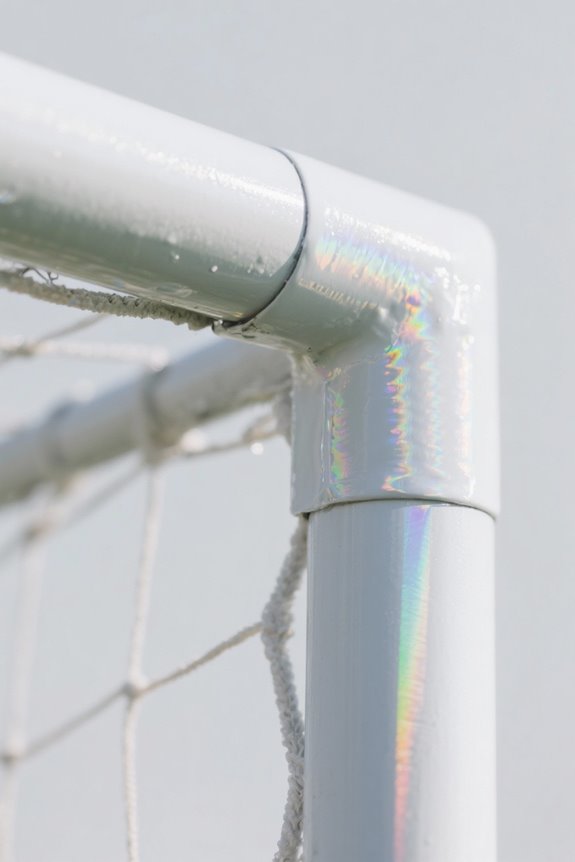
UV and weather resistance properties play a notable role in the longevity and functionality of goal frames exposed to outdoor elements. These properties include UV absorption capabilities, which prevent up to 99% of harmful ultraviolet rays from damaging the underlying materials. Coating formulation incorporates proprietary UV stabilizers to dissipate or absorb UV energy, markedly reducing photodegradation effects such as fading and chalking. Additionally, weather-resistant coatings withstand harsh conditions like rain and snow while maintaining adhesion and integrity. By minimizing surface cracking and discoloration, these coatings extend the service life and reduce maintenance costs. Overall, a well-designed coating enhances both the structural performance and aesthetic appeal of goal frames, ensuring they remain functional and visually appealing in outdoor environments. Furthermore, investing in durable materials can significantly enhance the protective qualities of goal frames against various weather conditions.
Physical Durability and Impact Resistance
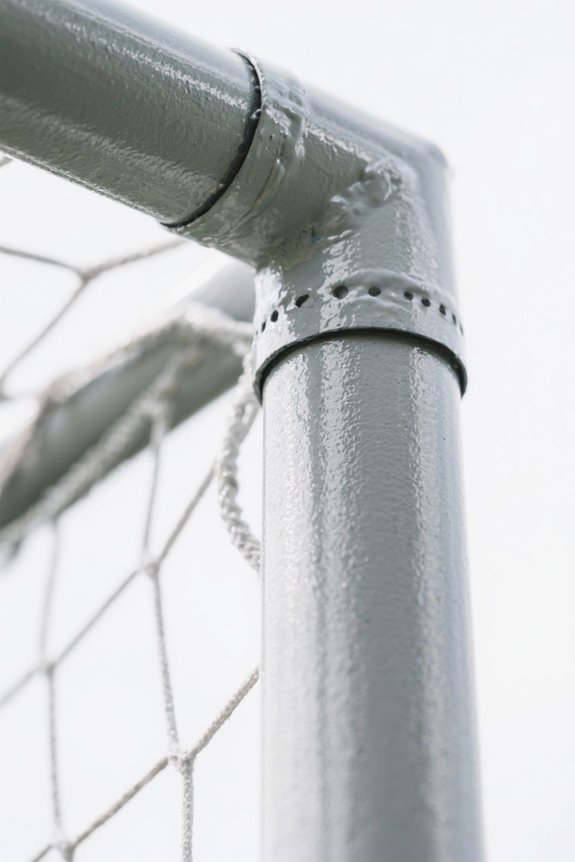
A significant aspect of goal frame longevity is the physical durability and impact resistance provided by advanced weather-resistant coatings. These coatings enhance impact absorption by forming a tough protective layer that distributes forces, minimizing potential damage to frames. Durability testing reveals that epoxy primers contribute excellent abrasion resistance, essential for handling and accidental strikes. Additionally, polyester top coats increase flexibility, reducing the risk of cracking upon impact. Innovative coatings infused with ceramic compounds bolster protection against mechanical wear. Strong adhesion to metal substrates prevents delamination after repeated impacts, guaranteeing that the protective layer remains intact. Collectively, these features guarantee that goal frames maintain their structural integrity despite harsh environmental conditions and strenuous use, enhancing their overall lifespan and performance. Furthermore, the incorporation of durable Oxford cloth in goal construction further amplifies resistance to wear and harsh weather conditions.
Application Techniques and Ease of Use
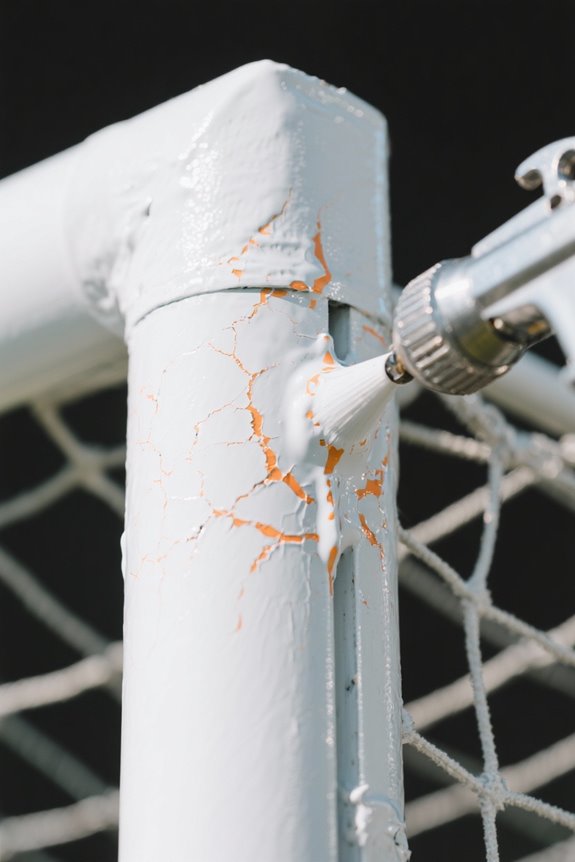
Effective application techniques are vital for guaranteeing that weather-resistant coatings adhere well and provide maximum protection to goal frames. Various application methods, including spray techniques like airless spraying and brushing, can be employed based on the size and detail of the frame. For optimal results, practical considerations must include thorough surface preparation, such as cleaning, drying, and repairing any imperfections before applying the coating. Multiple thin layers are preferred over thick coats to achieve even coverage and avoid drips. Maintaining substrate temperature is essential; it should be at least 5°F (3°C) above the dew point to prevent condensation. Additionally, attention to environmental conditions guarantees successful curing and long-lasting durability, which enhances the coating’s overall performance and protective qualities. Incorporating weather-resistant properties in the coating formulation can further enhance the resilience of the goal frames against harsh outdoor conditions.
Environmental and Surface Compatibility
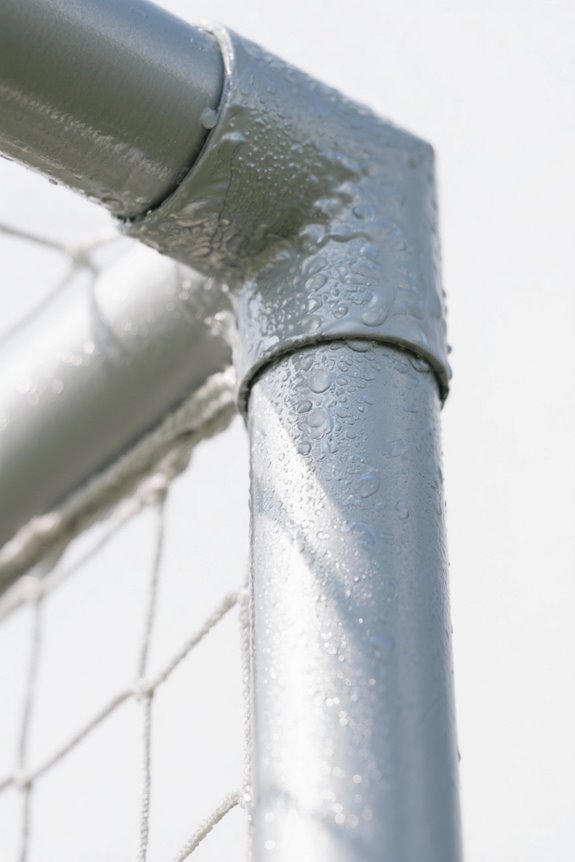
Understanding the environmental and surface compatibility of weather-resistant coatings is essential for ensuring their effectiveness on goal frames. These coatings must demonstrate surface material compatibility with various substrates, including metal and wood. For metal frames, powder and polyurea-based coatings are preferred due to their strong adhesion and resistance to chipping. Conversely, silicone and polymer coatings enhance breathability and apply well on wood or composite materials. Effective coating adhesion techniques also involve proper surface preparation; for instance, metal surfaces typically require priming to optimize bonding and provide corrosion protection. Additionally, coatings must withstand environmental factors such as UV exposure and moisture, ensuring durability and preventing detrimental effects on the frame’s underlying materials while maintaining the coatings’ integrity across various weather conditions. Choosing goals made from heavy-duty materials can further enhance longevity against environmental wear.
Longevity and Cost-Effectiveness
Longevity and cost-effectiveness stand as critical factors when evaluating weather-resistant coatings for goal frames. Weather-resistant coatings, such as galvanization and powder coatings, can greatly extend the coating lifespan. Galvanized coatings can last over 50 years, while powder coatings offer a lifespan of 25 to 40 years, depending on application techniques and maintenance. These long-lasting solutions result in considerable cost savings, as they reduce the need for frequent repairs and replacements. Proper surface preparation and regular inspections enhance durability and prevent premature failure. By maintaining the integrity of goal frames, these coatings minimize emergency repair expenses and prolong usability, ultimately lowering overall lifecycle costs, thereby making them a sound investment for institutions concerned about long-term maintenance. Additionally, using high-density materials in goal frame construction can further improve resilience against harsh weather conditions.
Types of Weather Resistant Coatings
A variety of weather-resistant coatings are available for goal frames, each providing unique benefits tailored to specific environmental challenges. Acrylic benefits include strong water resistance, effectively reducing moisture penetration, while also featuring non-slip textures for enhanced safety in wet conditions. Polyurethane features excellent UV resistance, ensuring the frames remain durable and resistant to fading from sun exposure. Epoxy applications offer a hard surface that withstands high impacts and wear, making them suitable for sports. DWR innovations effectively repel water, reducing corrosion risk, while silicone advantages provide flexibility, accommodating structural movements. Urethane comparisons reveal polyester and polyether variants, each balancing waterproofness and durability depending on outdoor requirements, thereby enhancing the overall longevity of goal frames. Additionally, using weather-resistant materials can significantly improve the durability of training equipment, such as rebounders.
Importance of Surface Preparation
Surface preparation plays a crucial role in ensuring the effective application of weather-resistant coatings on goal frames. Proper surface cleaning methods—such as solvent cleaning and abrasive blasting—are critical for removing contaminants like oil, dirt, and rust. These contaminants hinder coating adhesion, leading to potential failures, as up to 80% of coating failures stem from inadequate cleaning. Additionally, establishing an ideal surface profile through abrasion enhances mechanical bonding between the coating and substrate. Techniques such as sandblasting or grinding are preferred for achieving ideal roughness. Repairing surface defects, like cracks and rust spots, further promotes consistent coating application. Ultimately, successful adhesion techniques rely on meticulous surface preparation, minimizing risks of delamination and prolonging the service life of coatings on goal frames. Furthermore, using high-quality materials, such as polyurethane (PU) for coatings, can significantly enhance durability against harsh weather conditions.
Maintenance Tips for Coated Goal Frames
Maintaining coated goal frames is crucial for preserving their structural integrity and visual appeal. Regular inspections guarantee that any chips, scratches, or wear compromising the coating are promptly addressed. Preventive maintenance involves using non-abrasive cloths and mild soap solutions for cleaning, avoiding harsh chemicals. After cleaning, the frames should be dried thoroughly to minimize corrosion risk. Careful flushing of joints helps prevent moisture accumulation under the coating. Moreover, monitoring exposed metal edges and documenting condition changes can inform timely maintenance actions. Using protective covers when not in use reduces UV exposure, while validating all mounting hardware is corrosion-resistant complements the frame’s protective features. These proactive steps greatly enhance the longevity of coated goal frames. Additionally, ensuring that the frames are equipped with weather-resistant features can further protect them from the elements.
Real-World Performance and Testing Results
How do real-world conditions influence the effectiveness of weather-resistant coatings on goal frames? Real-world testing involves standards like ISO 12944-9, which simulates atmospheric corrosion over 4,200 hours through 25 cycles of UV exposure, freezing, and salt spray. Coatings meeting these criteria exhibit a correlation coefficient of 0.71 for long-term durability, considerably higher than the traditional ASTM B-117 salt spray test’s 0.11. Performance evaluation also incorporates ASTM D2794, evaluating impact resistance against physical stresses from sports activities. Advanced methods, including ASTM D7869, replicate outdoor weathering with realistic moisture and temperature fluctuations. These tests collectively guarantee that coatings effectively resist corrosion, impacts, and UV fading, providing reliable protection for outdoor goal frames. Additionally, the importance of moisture-wicking technology in various sports gear can also influence the performance of weather-resistant coatings.
Frequently Asked Questions
How Do I Know Which Coating Is Best for My Goal Frame?
To select the best coating for a goal frame, consider application types, material compatibility, UV resistance, and durability. Evaluate available coating materials like powder coatings or acrylic paints to guarantee maximum protection in various weather conditions.
Can I Apply Weather Resistant Coatings in Cold Weather?
Cold weather application can be successful; however, coating effectiveness depends on temperature, surface conditions, and material handling. Proper preparation and following manufacturer guidelines are essential to ensuring peak performance in low-temperature environments.
How Often Should I Reapply Coatings to My Goal Frame?
Reapplication of coatings should follow a maintenance schedule based on coating durability; typically, polyurethane lasts 10-15 years, acrylic 5-10 years, while asphalt may need renewal every 3-5 years, depending on environmental exposure and wear.
Are There Coatings Suitable for Both Metal and Plastic Goal Frames?
Ironically, the search for coatings that suit both metal and plastic goal frames reveals versatile options. Metal coatings effectively protect steel, while plastic coatings enhance durability, ensuring harmony between materials in outdoor conditions.
What Are the Potential Health Risks Associated With Coating Applications?
Potential health risks associated with coating applications include respiratory sensitivities, skin irritations, and gastrointestinal issues, primarily due to toxic exposure from volatile organic compounds and harmful chemicals, raising significant health concerns for workers and users alike.