As an Amazon Associate, we earn from qualifying purchases. Some links on this site are affiliate links at no extra cost to you. Our recommendations are based on thorough research and editorial judgment.

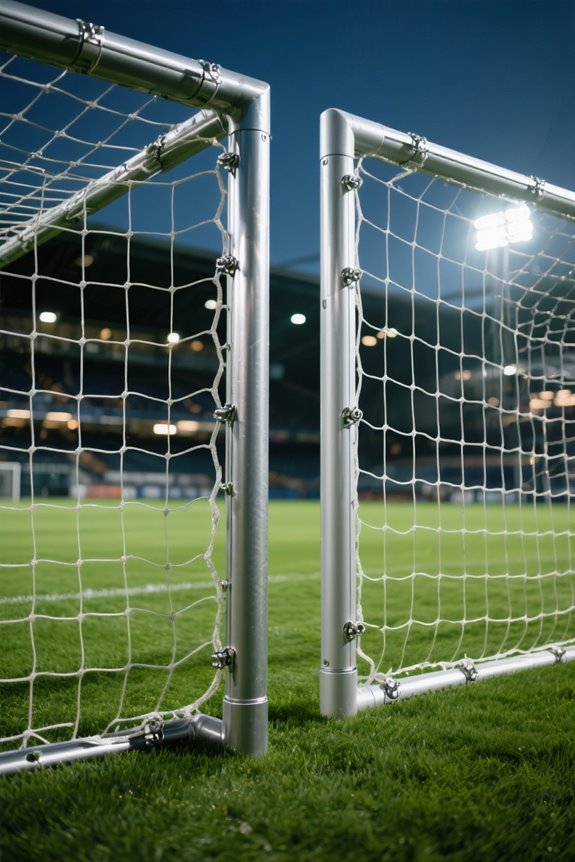
How To Choose Between Steel And Aluminum Goal Frames?

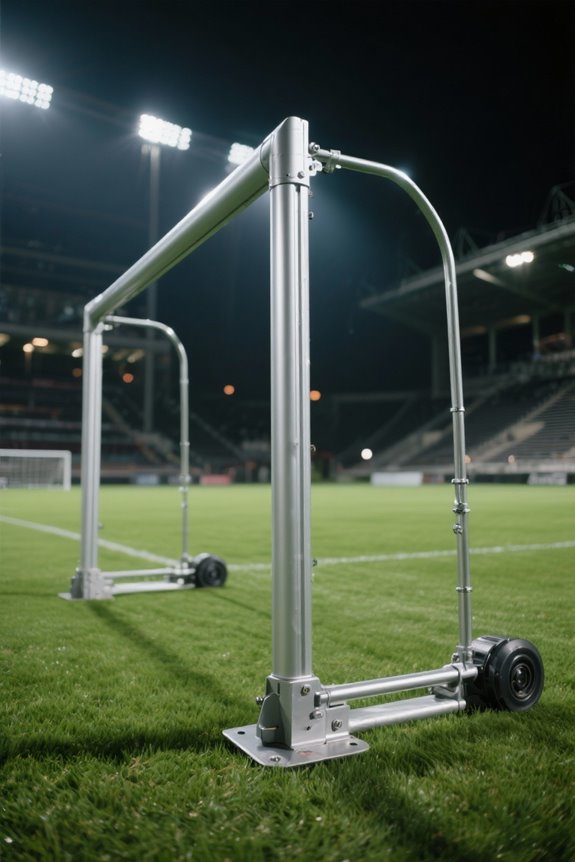
When choosing between steel and aluminum goal frames, consider key factors such as weight, cost, durability, and maintenance. Steel provides better tensile strength and can last over 20 years with proper care but is heavier and prone to rust. Aluminum is lightweight, making transport easier, yet requires thicker tubing for strength and has a shorter lifespan of 5-10 years. Each option presents unique advantages and disadvantages based on individual needs and conditions that merit further exploration.
Key Takeaways
- Assess the intended use and frequency of use to evaluate the balance between initial costs and long-term maintenance for steel and aluminum frames.
- Consider durability requirements, with steel offering longer lifespans due to better fatigue resistance and slower crack growth compared to aluminum.
- Evaluate the weight of the frame; choose aluminum for easier portability and steel for added stability in fixed applications.
- Factor in corrosion resistance; aluminum naturally resists corrosion, requiring less maintenance compared to steel, which may need protective coatings.
- Review repair options; steel can be welded easily, while aluminum often requires replacement due to complex repair processes.
Understanding Material Characteristics
When considering goal frames, understanding the material characteristics is essential for making an informed choice. Steel provides superior tensile strength, allowing for thinner tubes without sacrificing structural integrity. In contrast, aluminum has stiffness differences that require larger diameter tubes, which decreases overall design flexibility. Steel’s established fatigue limits enable it to endure repeated stress cycles, improving durability. Meanwhile, aluminum offers corrosion resilience, naturally resisting rust and reducing upkeep costs. Repair options vary greatly; steel frames can be more easily repaired through welding, while damaged aluminum often necessitates replacement. These material properties greatly affect the frame’s design, long-term environmental impact, and maintenance considerations, as steel’s recyclability highlights its sustainability compared to aluminum, which has higher raw material costs but lower maintenance needs. Additionally, choosing a frame made from high-strength galvanized steel can enhance stability and weather resistance, further extending its lifespan.
Comparing Weight and Portability
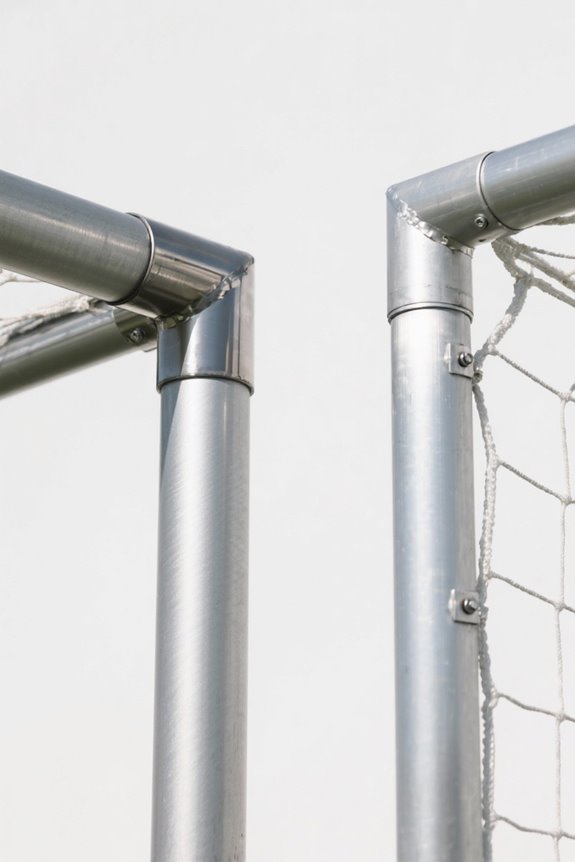
Understanding the differences between steel and aluminum not only involves material characteristics but also greatly impacts weight and portability. Steel frames typically weigh more due to their higher density, ranging from 7.85-8.05 g/cm³, while aluminum’s density is about 2.7 g/cm³. This weight ratio results in aluminum goal frames being 1-2 pounds lighter than comparable steel frames, greatly enhancing transport ease. Although aluminum requires thicker tubing for structural integrity, their overall lighter weight facilitates easier carrying and assembly. In scenarios demanding rapid deployment or frequent relocation, aluminum’s stiffness-to-weight ratio becomes advantageous. Conversely, steel’s greater weight may provide stability in adverse conditions but limits its portability, suggesting that users must balance strength needs against mobility requirements. Additionally, many soccer goals face challenges with wind stability during use, which can influence the choice between materials.
Evaluating Cost Considerations
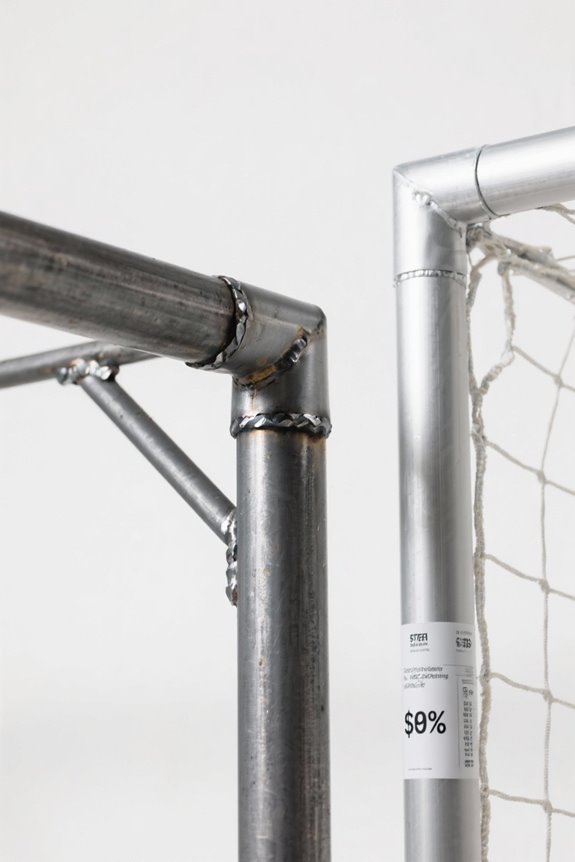
Evaluating cost considerations is essential for buyers deciding between steel and aluminum goal frames. The initial investment for steel frames tends to be lower because steel has a more affordable raw material cost and simpler manufacturing methods, such as welding and bending. In contrast, aluminum’s production requires energy-intensive processes, raising upfront expenses. Additionally, steel’s availability leads to reduced fabrication costs, while aluminum necessitates specialized techniques, increasing complexity and labor expenses. Transportation costs can also differ; aluminum’s lightweight properties lower shipping and handling expenses compared to heavier steel. Buyers should strategize their budgets by weighing these immediate costs against long-term maintenance savings, as aluminum typically incurs lower upkeep expenses due to its natural corrosion resistance, potentially enhancing overall cost-effectiveness. Furthermore, the durability of aluminum frames makes them an appealing option for buyers seeking long-lasting performance in various playing conditions.
Assessing Durability and Maintenance
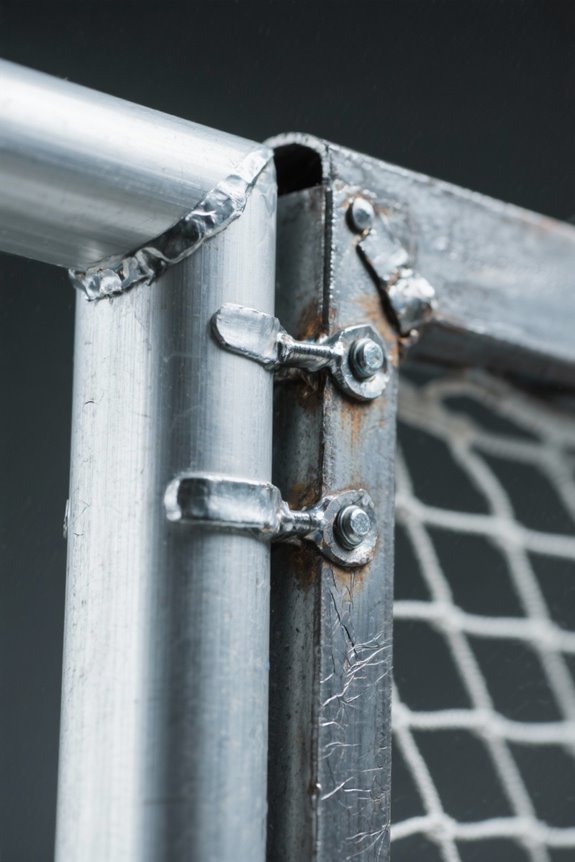
Durability and maintenance play essential roles in the decision-making process for consumers choosing between steel and aluminum goal frames. Aluminum offers superior corrosion resistance, requiring less maintenance over time, especially in moist or humid environments. In contrast, steel frames necessitate regular inspection schedules and protective coatings to prevent rust, especially if exposed to outdoor conditions. Steel’s ease of repair through welding or brazing benefits long-term use. However, aluminum demands specialized heat-treatment repair processes, complicating field repairs. While steel frames typically exhibit gradual damage, permitting preemptive repairs, aluminum may fail suddenly due to fatigue cracks. Thus, the choice hinges on balancing the maintenance needs of steel against the corrosion-resistant advantages of aluminum based on the specific application context. Additionally, the impact protection levels of the goal frames should also be considered to ensure player safety during use.
Analyzing Safety and Stability
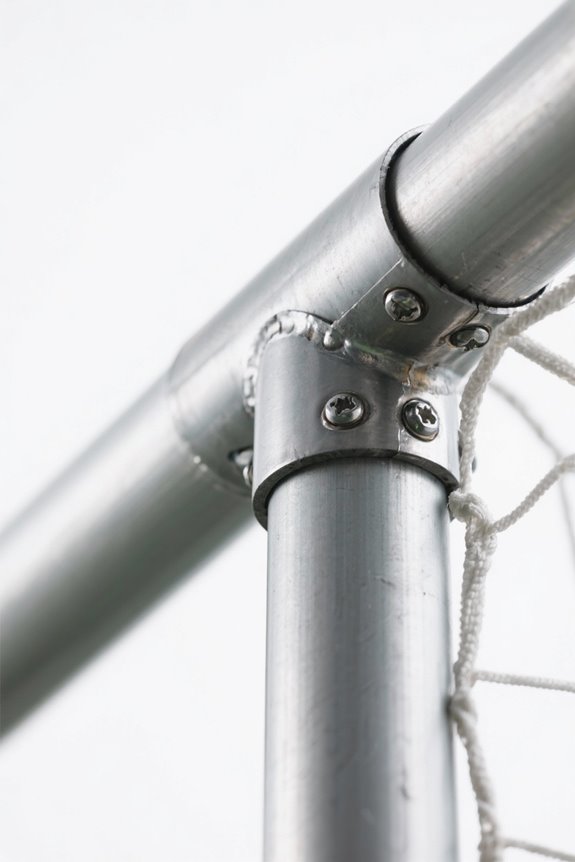
Safety and stability are critical factors in selecting between steel and aluminum goal frames for various applications. A thorough risk assessment reveals that steel’s greater mass provides inherent resistance to tipping, leading to higher stability under impact. In contrast, aluminum’s lightweight design enhances portability but often necessitates secure anchoring or weighted bases to achieve similar stability levels. Stability analysis indicates that freestanding goals require specific features for safety, such as side returns or double counterbalance weights. Steel frames show superior impact resistance and rigidity, essential in competitive conditions, while aluminum frames may dent easily. However, aluminum’s corrosion resistance offers advantages in humid environments. Ultimately, design and material choice greatly influence the safety and stability of goal frames, with factors such as durability in varying weather conditions playing a significant role in the decision-making process.
Identifying Use Case and Application
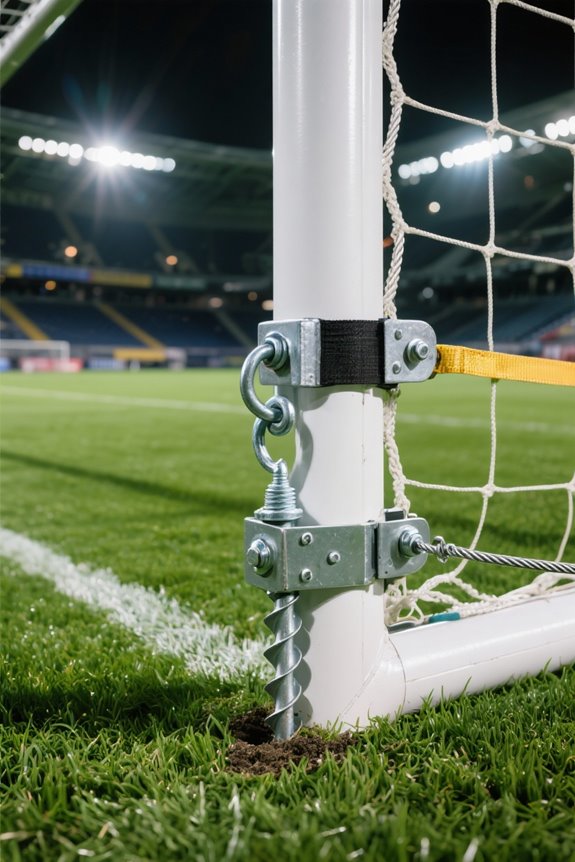
When evaluating the use case and application of goal frames, one must consider the intended level of play, as this distinction greatly influences the choice between steel and aluminum materials. Steel frames are ideal for heavy-duty installations in professional or dedicated fields, where robustness is vital. Conversely, aluminum frames excel in competitive and recreational settings due to their lighter weight and portability, facilitating frequent relocation. Youth and school-age applications often require specific sizes and materials, with aluminum being a practical choice for intermediate durability standards. Application scenarios that involve frequent goal usage and movement favor aluminum, while those demanding stability under heavy impacts are better served by steel. Ultimately, selecting the appropriate material depends on the specific demands of the intended usage. Additionally, many goals are designed with ground stakes for stability, ensuring safety during play.
Examining Corrosion Resistance
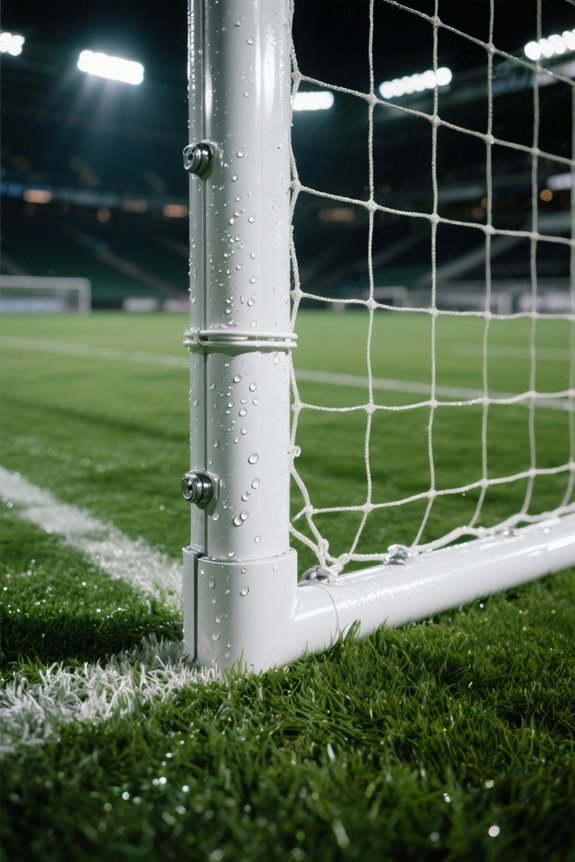
Corrosion resistance plays a crucial role in determining the longevity and reliability of goal frames, particularly when considering the environmental conditions where they will be used. Aluminum naturally develops a protective oxide layer, effectively preventing further corrosion and greatly reducing the impact of environmental factors such as moisture and salt. This makes aluminum highly suitable for humid or coastal locations. In contrast, steel is prone to rust due to its corrosion mechanisms, necessitating protective coatings to enhance resistance. Without such treatment, steel can deteriorate rapidly in adverse environments, compromising structural integrity. While stainless steel variants improve resistance, they are often more expensive. Ultimately, the choice involves weighing corrosion resistance needs against other attributes, like strength and durability. Additionally, it’s important to consider the material quality and durability features of the soccer net replacement options to ensure overall performance.
Considering Assembly and Transport
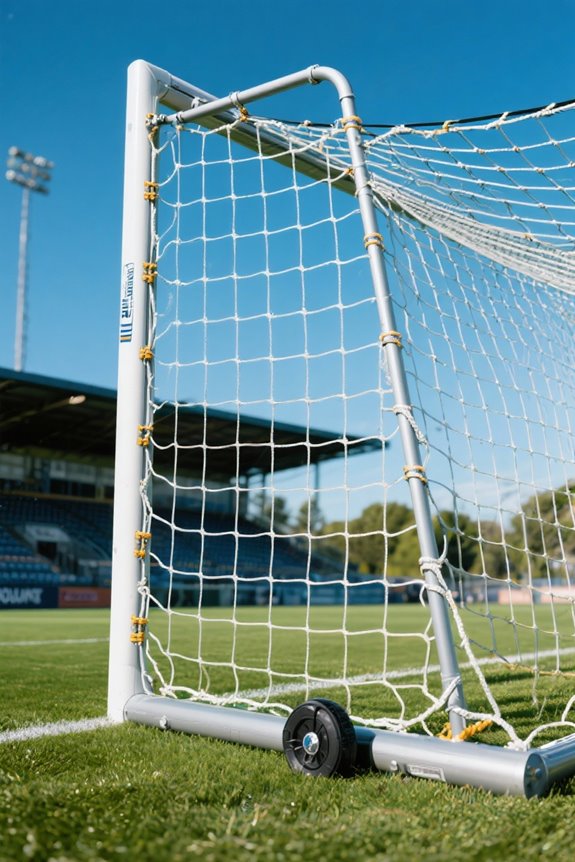
After evaluating corrosion resistance, it becomes important to contemplate assembly and transport when selecting between steel and aluminum goal frames. Aluminum frames are lighter, which enhances transport logistics and simplifies handling for setup. This lighter weight allows for safer repositioning and reduces the risk of injury during movement on multipurpose fields. Additionally, aluminum goals generally feature screw and washer systems, enhancing assembly efficiency without the need for specialized tools. In contrast, steel frames require more robust transport solutions due to their increased weight, making them less efficient for frequent relocations. The assembly process for steel goals is often labor-intensive, which can lead to longer setup times and higher costs over time. As a result, the choice depends notably on intended use and operational needs. Furthermore, durable materials used in goal construction can significantly influence the longevity and performance of the equipment.
Assessing Longevity and Life Cycle
The longevity and life cycle of goal frames greatly influence their overall value and performance, particularly when selecting between aluminum and steel. Aluminum frames typically have a shorter fatigue life, lasting only 5-10 years, or 10,000-30,000 miles, before requiring replacement due to fatigue cracks. In contrast, steel frames possess a fatigue limit, enabling them to endure repeated loading cycles, potentially lasting 20 years or longer with proper maintenance. Additionally, steel exhibits slower crack growth, allowing for timely frame inspection and greater safety. Although aluminum is more corrosion-resistant, its lack of a fatigue limit makes it vulnerable to sudden failure. Therefore, steel’s durability under harsh conditions contributes greatly to its overall structural integrity and longevity. Furthermore, many soccer goals are designed with weather-resistant materials that enhance their lifespan and performance, especially in outdoor settings.
Making the Final Decision
When considering the choice between aluminum and steel goal frames, which factors play the most essential role in determining the best option? Cost, durability, and maintenance are critical considerations. Steel frames offer a lower upfront cost but may incur higher long-term expenses due to rust and additional maintenance. Conversely, although aluminum frames are pricier initially, they require minimal upkeep and provide lasting value. Goal aesthetics can also influence the decision, with aluminum often presenting a modern appearance. Brand reputation should not be overlooked, as established manufacturers typically offer higher-quality products with better performance and safety features. Ultimately, understanding specific needs regarding function, location, and budget can guide buyers toward the most suitable frame material. Additionally, the weatherproof design of certain goal frames can significantly enhance their longevity and performance in various conditions.
Frequently Asked Questions
Can Steel Goals Be Converted to Aluminum Frames Later?
Conversion feasibility between steel and aluminum goal frames is limited due to frame compatibility issues. Retrofitting typically requires dismantling the steel structure, making complete conversion impractical and economically inefficient for most users seeking aluminum goals.
Are There Weather-Specific Recommendations for Goal Material Selection?
Weather-specific recommendations emphasize steel for dry climates due to initial cost, while aluminum is preferred in humid or coastal regions for superior weather resistance and minimal maintenance, highlighting important climate considerations in material selection.
How Does Color Choice Affect Goal Frame Performance?
Color choice greatly impacts goal frame performance, affecting visibility and player reaction times. Durable colors enhance aesthetic appeal while ensuring longevity, ultimately influencing cognitive engagement and memory recall during gameplay, thereby improving overall performance.
Do Aluminum Goals Rust Like Steel if Damaged?
Aluminum goals do not rust like steel if damaged, thanks to natural rust prevention mechanisms. While their frame durability is less than steel’s, they maintain structural integrity and require lower maintenance due to corrosion resistance.
What Maintenance Tools Are Necessary for Steel Goals?
In the domain of goal maintenance, essential tools required include inspection checklists, cleaning agents, rust converters, basic hand tools, and replacement parts, all harmonizing to guarantee longevity and safety of steel goal frames amidst wear.